Amazon’s 18.6M Bills-Lions Win Shows NFL Streaming Is No Experiment
If you still think streaming is where sport goes to die, Amazon just put 18.6 million people in the room for Josh Allen and the Bills. The old TV guard is not being replaced politely.
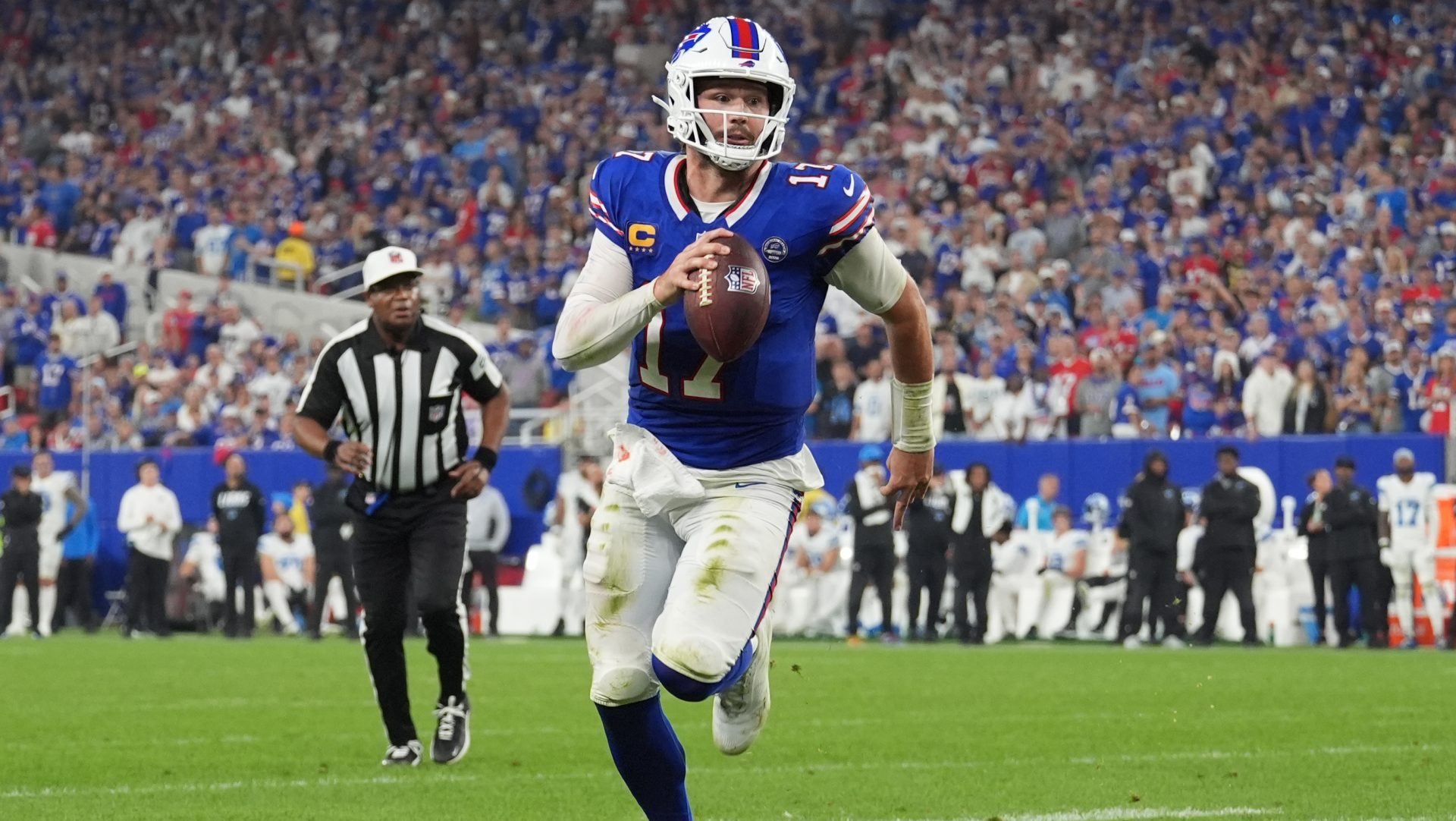
Amazon just got 18.6 million people to watch Josh Allen and the Buffalo Bills on a Thursday night. Anyone still calling streaming sport’s poor cousin is either asleep at the wheel or talking their book.
Prime Video’s Thursday Night Football opener between the Buffalo Bills and Detroit Lions averaged 18.6 million viewers, up 5% on Amazon’s 2025 opener. It was the third-most-watched NFL regular-season game Amazon has carried, narrowly beating Netflix’s 18.5 million U.S. viewers for the San Francisco 49ers–Los Angeles Rams game in Australia one week earlier.
That is not a cute streaming milestone. That is a commercial warning shot.
Amazon did not win because football suddenly became cheap
The Bills-Lions game had the ingredients every media executive wants: Josh Allen, two credible teams, a national standalone window and the opening of Buffalo’s new Highmark Stadium. But writing this off as a one-off is lazy.
Amazon chose the fixture as its 2026 Thursday Night Football opener months earlier. It was not merely buying a game; it was buying an event: a quarterback people know, a fan base that travels emotionally if not physically, and a new stadium with enough civic theatre around it to make the broadcast feel bigger than the score.
The audience was also meaningfully younger than Amazon’s usual Thursday Night Football base. Viewership among adults aged 18–34, 18–49 and 25–54 rose by at least 27% versus Amazon’s full-season average from last year.
That matters because the argument for streaming was never that it could imitate old television with a different remote control. The argument was that it could deliver live, unmissable sport to a more valuable audience while giving advertisers, leagues and platforms a cleaner path to measure what happens next.
A television network sees a large audience. Amazon sees a large audience inside an ecosystem built to sell, subscribe, search, recommend and retain. That does not mean every ad magically turns into a sale. It means the commercial plumbing is far closer to the viewer than it was in the broadcast era.
And that is why the 18.6 million matters more than a headline number. It is proof that the audience will show up when the platform gives them a reason to care.
The NFL’s Week 1 dip makes Amazon’s result more interesting, not less
There is an inconvenient number sitting beside Amazon’s win: the NFL’s opening week averaged 19.5 million viewers per game, down 13% from the 2025 opening week and down 9% from 2024.
Plenty of people will use that to claim the NFL has a ratings problem. That is rubbish.
The opening schedule was unusual. The league had a Wednesday kickoff game, Netflix’s 49ers-Rams game from Melbourne the next day, and a Sunday “double-doubleheader” where both CBS and Fox carried games in the early and late-afternoon windows. Split the audience across more windows and channels, then act shocked when per-game averages move around. That is not analysis. That is numeracy failure.
The better read is this: premium standalone windows still work. NBC’s Cowboys-Giants Sunday Night Football opener rose 4% from the comparable game last year. ESPN recorded its best Week 1 Monday Night Football audience in its two decades carrying that package. Then Amazon’s Bills-Lions game posted 18.6 million.
The sport is not losing relevance. The distribution is becoming more fragmented, and the value is concentrating in games that fans believe they must watch live.
That distinction matters for everyone in the sports business. If you own rights, you do not simply sell “inventory” anymore. You sell scarcity. You sell the moment people cannot sensibly delay, skip or pirate without feeling left out the next morning.
Josh Allen is part of that product. So are the Buffalo Bills, the Detroit Lions and the sense that something meaningful is happening in a building the whole country is seeing for the first time. Sport is still a human drama. The business is just getting better at packaging it.
The $2.2 billion stadium was not background scenery
Buffalo’s new Highmark Stadium cost $2.2 billion. That number should make every sports operator sit up straight.
A new stadium is often sold to the public as a home-field necessity: modern amenities, better fan comfort, more revenue, a chance to keep the team put. Fair enough. But the Bills-Lions broadcast showed the other side of the ledger. A stadium opening is media inventory.
It creates a national event before the game even begins. It gives the league and its media partner a fresh story to tell. It gives sponsors a premium setting. It gives a team a moment to refresh its brand without changing the logo, the coach or the quarterback.
Put bluntly: physical infrastructure can produce digital attention when it is launched properly.
Too many operators treat a big capital project as if the job finishes when the concrete dries. It does not. The stadium is a content engine, a hospitality asset, a sponsorship platform and a reason for broadcasters to care. If you cannot turn a major physical investment into a repeated commercial story, you have built an expensive shed.
The Bills got the national spotlight. Amazon got a bigger opening night. The NFL got another reminder that stadium development and media rights are not separate businesses. They feed each other.
Here is the overlooked angle: Amazon’s real advantage is discipline
The lazy take is that Amazon wins because it has more money than everyone else. It certainly has plenty of money. But money alone does not create appointment viewing.
Amazon’s advantage is that it is building a sports portfolio with a clear commercial purpose. Thursday Night Football is the anchor. The company has also expanded into the NBA, WNBA, NASCAR, NWSL, the Masters and college basketball. That is not random collecting. It is a deliberate attempt to make Prime Video feel like a place viewers visit for live sport across the calendar, not just for one weekly NFL game.
The company said at its 2026 upfront that Thursday Night Football had just delivered the largest season-long audience in the package’s 20-year history. Its Prime Video Wild Card game drew 31.6 million viewers and became the most-streamed NFL game ever.
Again, the point is not that Amazon is invincible. The point is that it is behaving like a serious rights owner, not a tech company dabbling in sport because the chief executive likes sitting courtside.
That should worry traditional media companies more than the headline audience figure. Amazon can turn a sports viewer into a Prime subscriber, a shopper, an advertising target or simply a customer who spends more time inside its walls. A conventional broadcaster is usually trying to monetise the same viewer in a much narrower lane.
That broader machine gives Amazon room to be patient. Patience is a savage competitive advantage when everyone else has a quarterly earnings call breathing down their neck.
Don’t confuse one strong game with a blank cheque
Now for the part the streaming evangelists will not enjoy: 18.6 million viewers does not mean every sporting property should sprint behind a paywall and start sending invoices.
NFL football is the rare beast. It has short supply, huge cultural reach, predictable scheduling and a habit of making ordinary regular-season games feel consequential. Most sports do not have that luxury. Plenty of leagues would disappear into the digital fog if they traded reach for a slightly fatter rights cheque too early.
Amazon’s result is evidence that premium sport can thrive on streaming. It is not evidence that all sport is premium.
The lesson for leagues and teams is to get brutally honest about what they actually own. Do they have live scarcity? Recognisable stars? Rivalries? A schedule that creates habit? A story bigger than the final score? If not, a streaming deal will not manufacture demand. It will merely make the lack of demand easier to measure.
What this means for you
Whether you run a startup, own a business, manage a brand or invest your own money, there are three useful lessons here.
First, do not sell access when you can sell urgency. The Bills-Lions game worked because it was live, standalone and wrapped in a story: Josh Allen, the Lions, a new stadium, national attention. Your business needs its own version of that. Give customers a reason to act now, not merely a reason to agree that your offer is decent.
Second, build distribution that compounds. Amazon is not relying on one ad slot or one subscription fee. It owns multiple ways to benefit when attention arrives. In your business, ask the same question: when a customer engages, do you have one way to make money, or several sensible follow-ons? Email list, recurring revenue, referrals, complementary products, partnerships—build the second and third transaction before you need them.
Third, stop worshipping averages without understanding the setup. The NFL’s Week 1 per-game audience fell, while several premium standalone broadcasts performed strongly. A headline metric can be technically true and commercially misleading. Before making a decision, inspect the denominator, the timing and what changed in the distribution. This habit alone will save you from a lot of expensive nonsense.
Amazon’s 18.6 million-viewer night was not just a win for Prime Video. It was a reminder that attention still goes where the product is scarce, the story is sharp and the distribution is built to capture more than applause. That is a useful lesson whether you are selling football, software or a bloody lawnmower.