Apollo’s $7.7B EasyJet Bet Is Not About Cheap Flights
Private equity didn’t just buy cheap seats. Apollo is paying £5.7 billion for the right to squeeze more cash from an airline with enormous bills still to come.
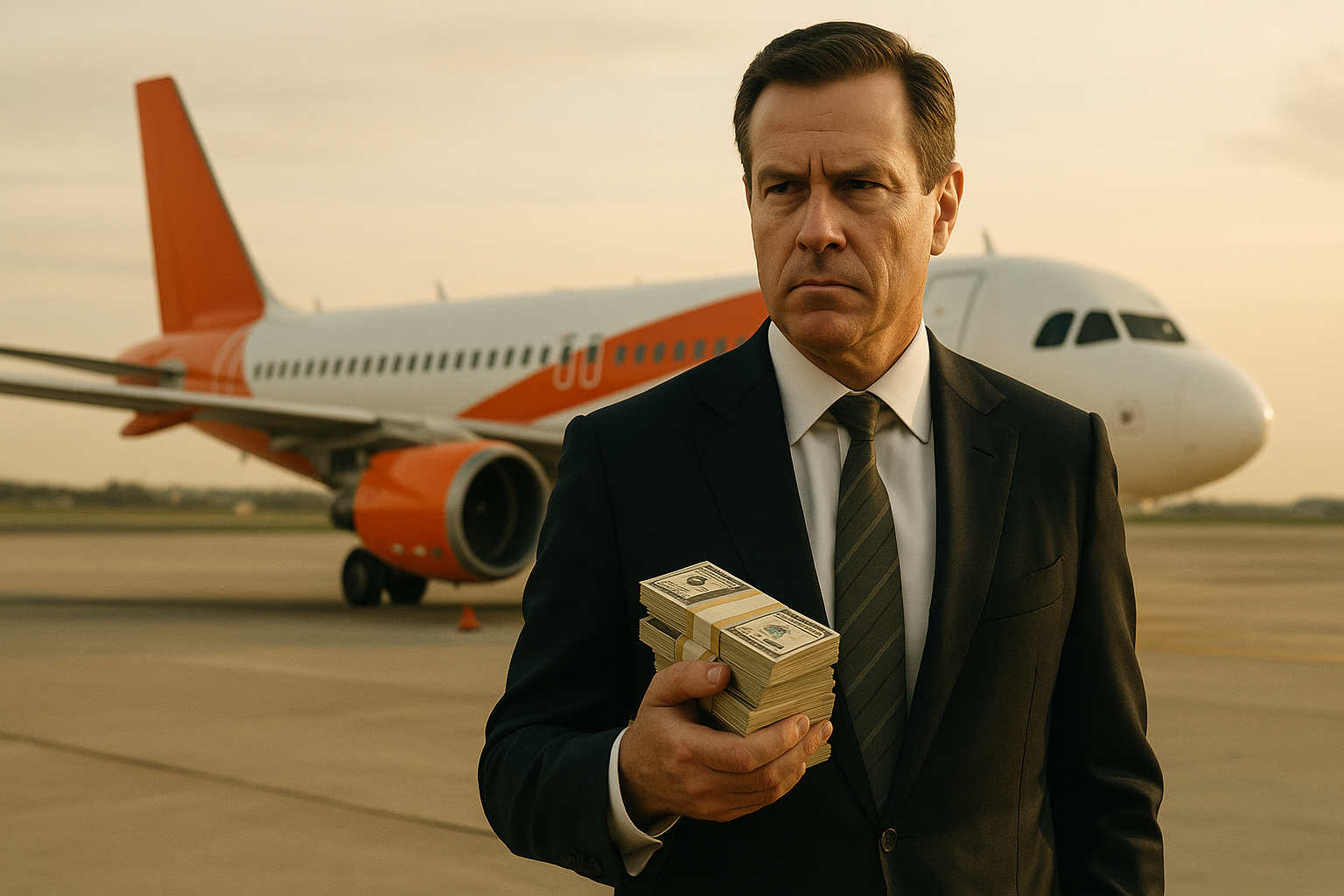
Private equity didn’t just buy cheap seats. Apollo is paying £5.7 billion for the right to squeeze more cash from an airline with enormous bills still to come.
That is either a very smart bet or a very expensive lesson in what happens when finance blokes mistake a good business for an easy business.
Apollo has won the auction. The hard part starts now.
On August 6, Apollo Global Management agreed to buy easyJet in a deal valuing the British low-cost airline at roughly £5.7 billion, or about $7.7 billion. Apollo’s cash proposal of £7.15 a share beat Castlelake’s rival interest, and Castlelake withdrew. That cleared the runway for Apollo.
The headline number matters, but the premium tells you more. Apollo’s offer was 81% above easyJet’s closing share price on May 28, the day before the original offer period began. That is not a casual top-up. It is a buyer saying, plainly, that the public market was valuing easyJet too cheaply — or that the buyer is prepared to take a very large risk to prove it wasn’t.
The proposal values easyJet using 794.8 million fully diluted shares. Apollo also offered eligible shareholders the chance to roll their stock into the private ownership vehicle rather than take cash. That is worth noticing. When the buyer wants sellers to stay exposed, it is saying: we think the upside after the deal may be greater than the cheque on day one.
But don’t get carried away. A high premium does not make a deal wise. It just proves that someone has access to capital and conviction.
Apollo has committed to take the necessary steps on merger-control and EU foreign-subsidy approvals, while using best endeavours on other regulatory conditions. That language matters because airlines are not software companies. You cannot buy one, fire half the staff, move the head office to a tax-friendly post box and call it transformation. Aviation is licences, slots, safety oversight, labour agreements, aircraft financing, consumer trust and political scrutiny — all before breakfast.
Why would anyone pay this much for an airline?
Because easyJet owns something more valuable than orange planes: access.
In aviation, the scarce asset is not an aircraft. Planes can be ordered, leased, financed, parked and replaced. The real assets are airport slots, operating permissions, brand recognition, customer data, distribution, crew capability and a network that gives passengers enough frequency to choose you without thinking too hard.
A good low-cost airline is a machine built around utilisation. Get the fleet flying regularly. Keep turnaround times tight. Fill seats. Sell bags, allocated seating, food, insurance and holidays. Spread overhead across a large network. Do that well enough and a business selling €30 fares can produce serious cash.
That is the attraction. Apollo is not buying easyJet because it expects everyone in Europe to suddenly enjoy flying more. It is buying an established platform with scale, a recognisable brand and a strategic position in one of Europe’s messiest but most important consumer markets.
There is also a useful contrast here. Public markets often punish airlines for being airlines: fuel-price exposure, wars, industrial action, weather, currency swings, recessions, taxes and furious customers with smartphones. Fair enough. Those risks are real.
A private owner can look at the same mess and see an opportunity. It can invest through a rough patch without being marked down every quarter. It can make operational changes away from the glare of public markets. It can refinance, reshape the fleet plan, lean harder into holidays and ancillary revenue, and eventually sell or relist a cleaner story.
That is the playbook. It is not magic. It is just more patient capital paired with more financial leverage and a sharper appetite for complexity.
The bill behind the bargain
Here is the bit people miss while admiring the takeover price: easyJet has serious capital commitments ahead.
Reuters estimates cited in coverage of the transaction put easyJet’s fleet-renewal spending at €15.3 billion over the next five years. The company has more than 300 aircraft on order, including a major Airbus A320neo-family commitment. It was also expecting capacity growth of roughly 6% in 2026, with available seats up about 3%.
That is not a business you buy, put on a shelf and collect dividends from.
It is a capital-hungry operating machine. The fleet needs funding. Airports need capacity. Maintenance costs money. Staff need to be trained and retained. When disruption hits, the airline wears compensation costs, hotel bills, reputational damage and a social-media kicking — often all at once.
This is why the lazy take — “private equity will just slash costs” — is incomplete. Of course Apollo will hunt costs. Every competent owner does. But it cannot cut its way to a great airline if that damages reliability, safety culture or customer loyalty.
Low-cost carriers already run lean. There are only so many middle-management PowerPoint jobs to remove before the next savings target starts affecting the actual operation. And once the operation suffers, customers do not write a thoughtful LinkedIn post about margin discipline. They book with someone else.
The opportunity is probably less about hacking the cost base to pieces and more about getting more return from assets easyJet already has: aircraft utilisation, route economics, pricing, holidays, loyalty, digital conversion and more disciplined capital allocation.
That is much harder work. It is also where real value is made.
The contrarian view: Apollo may be buying certainty, not cheapness
Most commentary will frame this as a big American buyout firm spotting a beaten-down European airline. Maybe. But I reckon the more interesting point is that Apollo may be paying up for certainty.
Castlelake started the process with a £5.60-per-share approach in late May. Its proposal improved, then Apollo arrived in July with £7.15 a share. A month later, Castlelake had stepped away and Apollo had the field to itself.
Apollo did not win because it found a secret spreadsheet formula. It won because it was willing to put a better price on the table and give the board a clearer path to completion.
That is a lesson for founders and operators: in a competitive deal, price is only one part of certainty. But it is a bloody important part when the difference is hundreds of millions of pounds.
The best buyer is often not the one with the cleverest story. It is the buyer who can actually close, finance the deal, navigate approvals and avoid changing the terms once everyone has wasted six months in meetings.
There is another overlooked angle. Apollo is taking easyJet private at a moment when the airline needs to make long-duration decisions: aircraft, systems, network investments and its holidays business. Public shareholders want results every reporting period. The next five years of fleet spending will not wait politely for the market to become more patient.
Private ownership can be an advantage there — if Apollo behaves like an owner rather than a tourist with a debt package.
What this means for you
Whether you run a startup, a family business or a listed company, the useful lesson is not “go buy an airline.” Please don’t. Airlines have buried smarter people than most of us.
The lesson is to identify what you really own.
EasyJet’s planes are visible, but its durable value is in the harder-to-copy infrastructure around them: slots, network density, brand, customer habit and operating capability. In your business, ask the same question: what would a buyer struggle to rebuild if you vanished tomorrow?
If the answer is “our product,” you may be kidding yourself. Products get copied. Distribution, trust, proprietary data, embedded relationships, unique supply access and repeated customer behaviour are harder to copy.
Second: do not confuse revenue growth with an investable operating model. EasyJet can grow capacity, but every extra plane, route and passenger creates more operational load. Your business has the same trap. Growth that requires disproportionate capital, senior attention or customer-support pain is not automatically good growth.
Third: when someone offers a huge premium, ask what they see that you have failed to explain. Apollo’s 81% premium was not charity. The gap between public value and private value is where management teams should get curious. Are you under-earning your assets? Are you communicating badly? Or is the buyer simply more optimistic than they should be?
Finally, build a business that has options. EasyJet attracted competing interest because it is a real strategic asset, not because it had a nice pitch deck. Make yourself useful enough, differentiated enough and operationally solid enough that more than one serious buyer would want the keys.
That is how you get paid properly — whether you ever sell or not.