Arctos’s $1.06B Atlanta Falcons Bet Says the NFL Is Now an Asset Class
Arctos is paying $1.06 billion for 10% of the Atlanta Falcons. That is not football money. It is institutional capital pricing an asset built to rise in value.
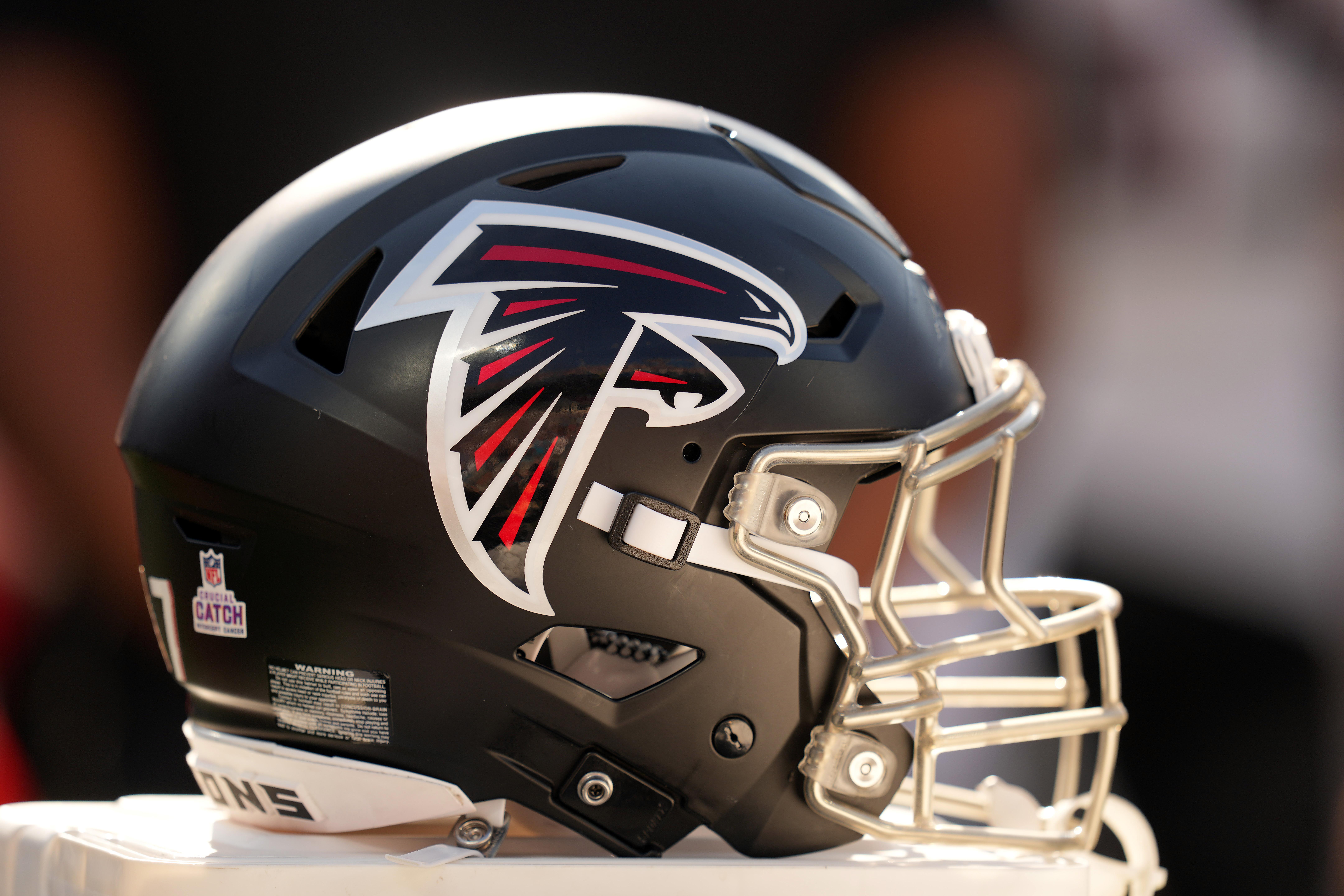
Ten per cent of the Atlanta Falcons is worth $1.06 billion. That is not football money anymore — it is institutional capital pricing a machine built to rise in value.
Arctos has agreed to buy a 10% stake in the Falcons at a reported $10.6 billion valuation, subject to NFL approval. The deal matters well beyond Atlanta because it shows exactly what private capital sees when it looks at pro football: not a risky bet on whether a team wins in January, but a scarce, protected cash-flow machine that has repeatedly become more valuable.
That distinction is the whole game.
Arctos is buying 10% of the Falcons — and pricing the team at $10.6 billion
The reported transaction gives Arctos a 10% slice of the Atlanta Falcons and values the franchise at $10.6 billion. Do the simple maths: that implies about $1.06 billion for the stake.
Nobody outside the deal room should pretend to know every term. Minority sports investments can include different rights, financing structures and timing. But the headline is clear enough: an institutional investor is willing to underwrite Atlanta at a valuation that would have sounded comical not long ago.
The Seahawks sale set the recent benchmark. In July, the Khosla family agreed to buy the Seattle Seahawks for $9.612 billion, surpassing the $6.05 billion paid for the Washington Commanders in 2023. Now Arctos is reportedly putting a higher value on the Falcons through a minority transaction.
That does not mean the Falcons are necessarily a “better” franchise than Seattle. It means minority stakes are being priced in a market where access is limited, the buyer pool is growing and the NFL’s economics remain unusually hard to replicate.
There are only 32 NFL teams. You cannot start the 33rd. You cannot build a competitor with a decent app, some venture capital and a nice logo. The league owns the most valuable distribution system in American sport: live, appointment-viewing entertainment with national media contracts, scarce inventory and fans who organise parts of their lives around it.
That is why the valuation is the story — not the percentage.
The NFL invited private equity in, but it kept the keys
In August 2024, NFL owners approved private-equity investment under tightly controlled rules. A fund can own up to 10% of a team; each investment must be at least 3%; the stake is passive, carries no voting power and must initially be held for six years. The league also limits a fund to stakes in up to six teams.
That is not an accident. The NFL wanted the money without handing the draft board to a bloke in a Manhattan spreadsheet factory.
For owners, this is brilliant. They can take some liquidity off the table without selling control of a family asset that may have appreciated for decades. They can fund estate planning, settle family ownership issues, invest in stadium precincts or simply de-risk a concentrated fortune.
For private-equity firms, it is nearly as attractive. They get exposure to the growth of NFL franchises without the operational headache of owning one outright. No coaching-search circus. No quarterback contract negotiation. No explaining a three-game losing streak to a radio host screaming into a microphone at 6:15 a.m.
Arctos was one of the firms approved by the NFL when the league opened the door. It has already built positions across sports, and Sports Business Journal reported in January that KKR agreed to acquire Arctos at a $1 billion valuation, with incentives potentially taking the total value closer to $1.5 billion. That tells you something important: Wall Street does not see sports investing as a hobby for rich men. It sees a category worth buying a specialist platform to access.
This is not really a bet on the Falcons winning
Fans will naturally ask whether a $10.6 billion valuation is justified by what happens on the field. Fair question. Wrong frame.
Winning matters, obviously. A Super Bowl changes sponsorship demand, suite sales, merchandise, season-ticket renewals and the energy around a club. But the institutional case for the NFL is bigger and duller — which is exactly why it is so powerful.
The league has national media rights. It has revenue sharing. It has a salary cap. It has a regulated supply of franchises. It has cultural relevance that creates pricing power across tickets, premium hospitality, sponsorship, media, gambling partnerships and real estate around stadiums.
In plain English: an NFL investor does not need the Falcons to become a dynasty for the asset to work.
That should make every sports fan slightly uncomfortable, because it separates sporting success from business success. A team can disappoint its supporters and still grow revenue. It can miss the playoffs and still raise prices. It can frustrate a city and still become more valuable because the broader NFL tide keeps lifting the boat.
I am not saying owners do not care about winning. Most do. I am saying the financial model is now strong enough that winning is no longer the only route to a very good business outcome.
That is a massive change from the old romantic idea that a club was just a wealthy family’s expensive obsession.
The overlooked angle: private equity is not necessarily the villain
The lazy take is that private equity arrives, prices go up, fans get rinsed and someone starts charging for oxygen in the concourse.
Could some of that happen? Of course. Any business with more sophisticated capital behind it will look harder at how much money it earns from each ticket, suite, sponsor, food-and-beverage sale, parking space and square metre around the stadium.
But private equity is not automatically the bad guy here. The NFL’s rules deliberately cap ownership, strip voting rights and impose a six-year hold. Arctos is not taking over the Falcons. It is providing capital and getting a passive economic interest.
The real issue is simpler: when a $10.6 billion valuation becomes the reference point, everything around the team starts being measured against that number.
That affects the next minority sale. It affects what a future buyer expects to pay for control. It affects how aggressively management looks for new revenue. And it affects the financial pressure on any family that owns a franchise but does not have unlimited liquid cash sitting around.
Private equity did not create the NFL’s commercial success. It is responding to it. But by bringing more institutional money into the ownership market, it can accelerate the valuation cycle.
More buyers with more capital usually means higher clearing prices. Higher clearing prices make existing owners richer on paper. Richer owners have more incentive to hold. Scarcity gets tighter. The next buyer pays even more.
That is not a conspiracy. It is supply and demand wearing a team jersey.
Why the Falcons deal matters to every other owner
The Seahawks transaction was a control sale: a buyer acquired the whole thing. The Falcons deal is different. It is a minority investment, and those are often useful because they create a fresh benchmark without requiring an owner to exit.
That makes this deal a current benchmark for the entire league.
If the NFL approves it, owners of teams in smaller markets, teams with complicated family ownership structures and teams planning major capital projects will all have another data point. The message is not merely that capital is available. It is that capital is available at a premium valuation.
That is useful leverage in negotiations with banks, sponsors, governments, partners and potential minority investors.
It is also why I would not get too carried away with the idea that a 10% stake is insignificant. Ten percent may be passive in governance terms, but a $1.06 billion cheque is not insignificant in anyone’s language.
And Arctos is not buying a collectible. It is buying a position in an ecosystem it clearly believes will keep compounding.
What this means for you
You probably cannot buy 10% of the Atlanta Falcons. Neither can I, unless one of us has had a far better week than I realise.
But there are three useful lessons here for founders, investors and operators.
First: own scarce assets, or build something that behaves like one. The NFL’s value is not magic. It comes from limited supply, strong distribution, recurring demand and a product people care about in real time. Ask yourself whether your business has any of those qualities. If it does not, stop telling yourself a better logo will fix it.
Second: separate the product from the economic engine. The Falcons’ on-field performance matters, but the investment case rests on media rights, league structure, sponsorship, premium experiences and durable demand. In your business, know what customers love — and know what actually creates cash flow. They are related, but they are not always the same thing.
Third: liquidity changes behaviour. Owners who can sell a passive 10% stake do not need to sell control when life, taxes or family complexity arrive. Build your company and your personal finances so you have options before you need them. A business that only works if you never sell, never borrow and never face a problem is not robust. It is fragile with good branding.
The Falcons deal is not really about a fund buying a slice of Arthur Blank’s team. It is about the market making a blunt statement: elite sports franchises are now hard-to-replace assets with celebrity attached.
Fans may hate that. Investors will understand it immediately. And operators should pay attention, because the best businesses are increasingly valued not for this year’s profit alone, but for how hard they are to replace.