Ares’s $2.9B Infinity Deal Proves Boring Railcars Can Make Serious Money
The smart money just paid $2.9 billion for railcars. Not AI, not crypto, not another software toy — railcars. That should make every operator rethink what “boring” means.
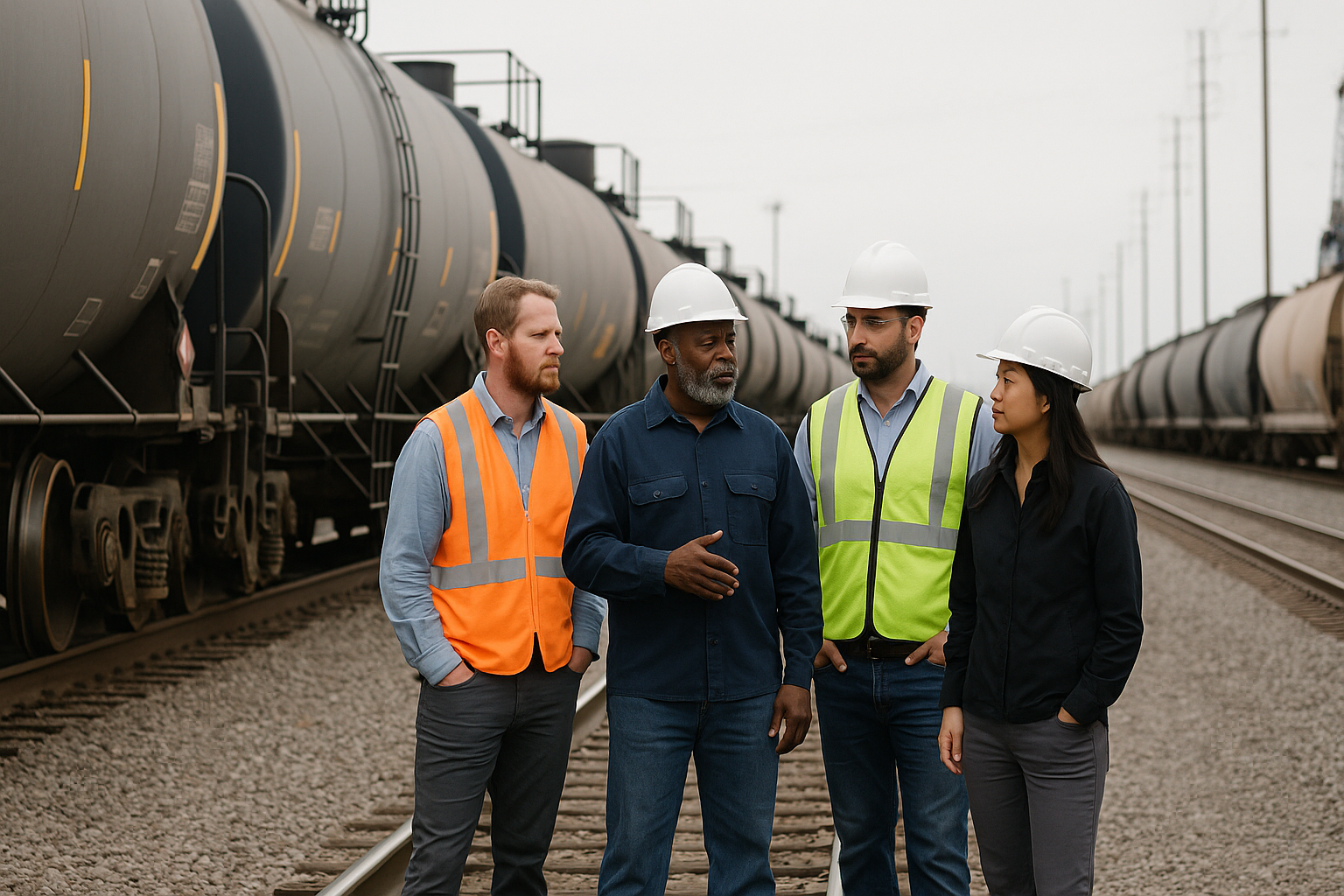
Private equity has spent years pretending it can create value with slide decks, cost cuts and a nicer logo. Ares Management just spent $2.9 billion proving that the real money can still sit on steel wheels, hauling freight through places most investors couldn’t point to on a map.
On October 19, 2026, KKR agreed to sell Infinity Transportation to Ares Infrastructure Equity and Ares Insurance Solutions funds in a transaction valued at roughly $2.9 billion. Infinity owns and manages about 50,000 railcars, leased to more than 350 customers across the United States, Canada and Mexico. The deal is expected to close in the first quarter of 2027, subject to the usual approvals and conditions. ([media.kkr.com](https://media.kkr.com/news-details?news_id=d0c36c0d-89fa-403b-8f3a-346d93c0067f&utm_source=openai))
That is not a glamorous business. Which is precisely why it is interesting.
The deal is not about trains. It is about ownership.
Most people hear “railcar leasing” and picture an old bloke in a high-vis vest with a clipboard. Fair enough. But the economics are better understood as a toll road for physical commerce.
Infinity does not need to guess which retailer will win online, which AI model gets adopted or whether consumers will keep buying the latest bit of electronic rubbish. It owns long-lived equipment that customers need to move commodities, industrial goods and freight. The lessee gets access to the asset without committing capital upfront. Infinity gets lease income and an asset with resale, redeployment and financing value.
That is a much cleaner proposition than many businesses marketed as infrastructure.
Ares is buying an operating platform founded in 2004, not merely a pile of railcars. Under KKR’s ownership, Infinity established its standalone operating platform, expanded its fleet and lifted book value by 150% since 2021, according to the companies. KKR’s insurance subsidiary, Global Atlantic, had been invested in Infinity since 2016. ([media.kkr.com](https://media.kkr.com/news-details?news_id=d0c36c0d-89fa-403b-8f3a-346d93c0067f&utm_source=openai))
Read that again: KKR did not flick a business after a quick cosmetic tidy-up. Its affiliated insurance capital had exposure for roughly a decade. It helped build a bigger platform, then handed the asset to another giant manager with infrastructure and insurance capital looking for durable returns.
That is not financial engineering. It is financial patience — a discipline that becomes rare whenever markets get drunk on the next shiny object.
Why Ares wanted 50,000 railcars
Ares says the attraction is straightforward: transportation and logistics assets benefit from manufacturing reshoring, domestic industrial investment and the need for more resilient supply chains. That is the buyer’s thesis, so don’t mistake it for gospel. Every buyer gives you a macro story after writing a big cheque.
But the underlying logic is hard to dismiss.
Supply chains have spent the past several years getting a brutal education in concentration risk. Companies learned that “just in time” can quickly become “not arriving.” Governments learned that industrial capacity is not an abstract economic statistic when supply disruptions hit. And manufacturers learned that shifting production closer to end markets is pointless if the physical system moving inputs and finished goods is unreliable.
Railcars are part of that system. They are unsexy, regulated by physics and inconveniently real. You cannot generate them with a clever prompt, and you cannot replace a fleet of specialised equipment with an app update.
That scarcity matters.
Ares is not buying a company whose value rests on consumers remaining enthusiastic. It is buying equipment leased across a broad customer base in three countries, with management that already knows how to operate, maintain, finance and place those assets. The company’s 350-plus lessees are important because a diversified customer book is a very different beast from betting the farm on one customer with a procurement department and a bad quarter ahead. ([media.kkr.com](https://media.kkr.com/news-details?news_id=d0c36c0d-89fa-403b-8f3a-346d93c0067f&utm_source=openai))
The deal also tells us something about where alternative-asset managers are heading. Ares has approximately $671 billion in assets under management as of June 30, 2026. Big pools of capital need big, investable, income-producing assets. A single warehouse or a handful of trucks will not move the needle. A scaled railcar platform can. ([media.kkr.com](https://media.kkr.com/news-details?news_id=d0c36c0d-89fa-403b-8f3a-346d93c0067f&utm_source=openai))
KKR’s exit is the sharper lesson
Everyone will focus on Ares as the buyer. I think KKR is the more useful case study for founders and operators.
KKR started with an investment through Global Atlantic. Then it backed the company as it became a standalone platform. Then it grew the fleet and book value. Now it is selling an established business at a $2.9 billion enterprise value.
That sequence matters because it is the opposite of the amateur version of “buy low, sell high.”
Amateurs buy something cheap and hope the market bails them out. Professionals buy something useful, make it more useful, then sell it when another owner can get more value from the next chapter.
KKR appears to have done the hard bit: turning a smaller asset base into a scaled platform with operating capability, customer relationships and strategic relevance. Ares is buying the next leg: more fleet growth, deeper customer relationships and potential acquisitions. ([media.kkr.com](https://media.kkr.com/news-details?news_id=d0c36c0d-89fa-403b-8f3a-346d93c0067f&utm_source=openai))
That is how sensible M&A should work. The seller should not be dumping a problem. The buyer should not be buying a trophy. Each side should have a credible reason the asset is worth more in its hands.
Too many deals fail this test. One side is desperate, the other is overconfident, and bankers somehow find a way to call it strategic.
The overlooked angle: insurance money wants real assets
Here is the part most headlines will glide over: Ares is buying Infinity through both its Infrastructure Equity and Insurance Solutions funds. KKR’s Global Atlantic, an insurance business, had also been involved with Infinity for years.
That is not a footnote. It is the deal.
Insurance platforms collect premiums today and owe policyholders money over long periods. They need investments that can produce dependable returns across cycles without requiring a heroic prediction about public markets. Long-lived, income-producing physical assets fit that mandate far better than a business that needs another funding round every 18 months to remain alive.
This is why “alternative assets” is too vague a label. The better question is: what sort of capital owns the business, and what does that capital need?
Venture capital needs explosive upside. A buyout fund needs an exit. Credit wants contractual payments and downside protection. Insurance capital often wants duration, yield and assets that can survive a bad decade without needing a motivational speech from the CEO.
Infinity sits neatly in that last bucket.
The contrarian point is that boring assets are not automatically safe. Railcars can be exposed to industrial slowdowns, commodity cycles, maintenance costs, financing conditions and changing freight patterns. The purchase price is an enterprise value, not a declaration that every dollar of future return is guaranteed. Neither party disclosed enough public detail to judge the exact valuation multiple, leverage structure or expected equity return.
Good investors should be suspicious of anyone claiming otherwise.
But that uncertainty is exactly why this deal deserves attention. Ares is not paying $2.9 billion for a story. It is paying for an operating system: assets, contracts, customers, management knowledge and the ability to deploy more capital into a fragmented, necessary market.
What this means for you
If you are a founder, stop asking whether your business is exciting. Ask whether it is essential.
Excitement gets meetings. Essentiality gets renewals, financing and survival when the economy turns ugly. Infinity’s customers do not lease railcars because the brand has a fun TikTok account. They lease them because goods have to move.
If you are an operator, build capabilities that compound. KKR did not merely add railcars; it helped create a standalone platform. That means people, systems, financing relationships, maintenance know-how and customer trust. Anyone can buy an asset. Building the machine that makes thousands of assets work is where the value lives.
If you are an investor, learn to separate a great sector from a great structure. “Infrastructure” is not a magic word. Look for duration of revenue, customer concentration, asset quality, maintenance needs, replacement cost, debt terms and whether the owner can actually reinvest at attractive rates. A railcar fleet can be brilliant or dreadful depending on those details.
And if you are tempted to chase every fashionable trade, remember this: the wealthy do not get wealthy by needing applause. They get wealthy by owning useful things for a long time, improving them, and selling only when the next owner is willing to pay properly.
Ares just paid $2.9 billion for that lesson. You can have it for free.