Automattic Board Gives Matt Mullenweg 50 Minutes’ Notice
Fifty minutes. That is all Matt Mullenweg had before Automattic’s board put its founder and CEO on paid leave. Every founder should read the paperwork.
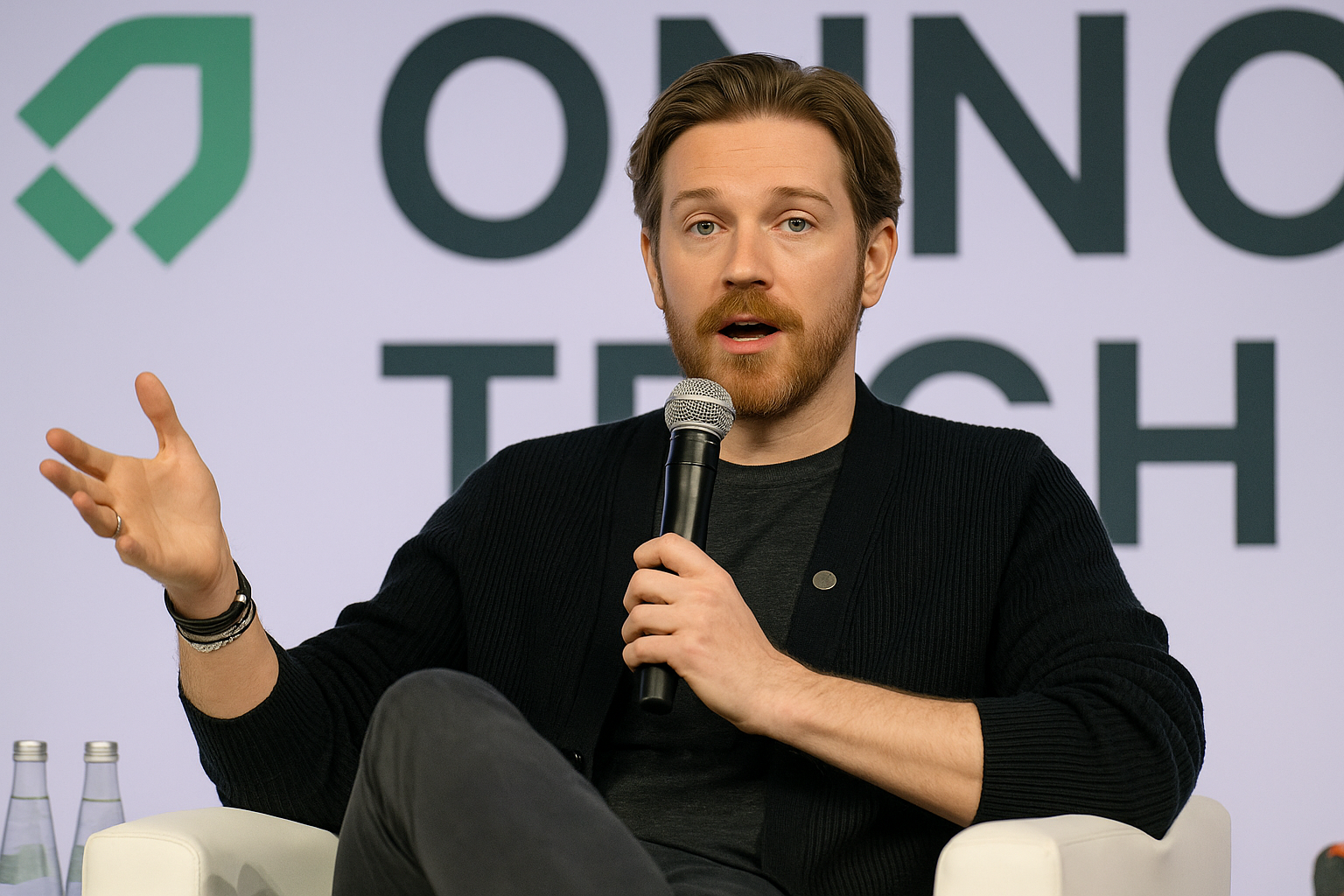
Fifty minutes. That is all Matt Mullenweg had before Automattic’s board put its founder and CEO on paid leave.
A founder who thinks a board cannot sack him is not a founder. He is a bloke who has not read the paperwork.
On September 9, Automattic founder and CEO Matt Mullenweg was put on paid leave by the company’s board. Mullenweg says he received the resolution roughly 50 minutes before the meeting, voted against it, and was denied time to have independent counsel review it. Automattic confirmed that its CFO, Mark Davies, is now interim CEO.
That is not a routine executive reshuffle. It is a very public reminder that charisma, history, product genius and a founder’s name on the door do not outrank governance when directors decide the business needs protection.
The board finally used the power everyone pretends it does not have
Mullenweg co-created WordPress in 2003 and built Automattic into the commercial business behind WordPress.com, WooCommerce, Tumblr, Pocket Casts and other products. He has been one of the internet’s more distinctive founder-operators: deeply committed to open source, fiercely opinionated, happy to fight in public, and plainly unwilling to let conventional corporate etiquette sand down his edges.
That sort of conviction can build a category. It can also turn one person’s judgment into the company’s operating system.
According to Mullenweg’s company-wide Slack message, Davies and directors Ann Dunwoody, Toni Schneider and Sue Decker supported putting him on leave. Automattic has not publicly explained why the board acted, how long the leave will last, or whether it is seeking a permanent replacement. It did say the board has full confidence in Davies and the team.
Read that last line properly. Boards use language like that when they need customers, staff, partners and investors to understand one thing immediately: the machine must keep running without its best-known person.
That is the real test of leadership. Not whether the company applauds when you walk into a room. Whether it can make decisions, serve customers and protect cash when you are not in it.
Too many founders confuse being indispensable with being valuable. They are opposites after a point. If every major decision requires your temperament, your relationships and your personal interpretation of reality, you have not built a company. You have built a dependency.
This did not come out of a clear blue sky
The immediate reason for the board’s decision has not been disclosed, so anyone pretending to know the full story is making it up. But the broader context is not subtle.
Automattic and Mullenweg have spent the past two years embroiled in a bruising conflict with WordPress hosting rival WP Engine. The dispute became public in 2024 after Mullenweg argued that WP Engine was benefiting from the WordPress ecosystem without contributing enough to it. A proposed September 2024 trademark licence put the choice bluntly: pay a royalty or make a significant contribution to WordPress’s future.
TechCrunch reported that Automattic sought a payment equal to 8% of WP Engine’s monthly gross revenue. WP Engine sued in October 2024, accusing Automattic and Mullenweg of defamation and abuse of power. Automattic and related WordPress parties later filed counterclaims alleging trademark misuse and harm to the WordPress ecosystem.
I am not here to declare either side morally pure. Commercial disputes are rarely that tidy. Automattic’s counterclaims argue that trademarks matter precisely because open-source code is free to use and because users need to know what is official, reliable and aligned with the project. That is a legitimate business argument.
But being right about a principle does not give a leader a free pass on method.
When the company’s commercial interests, a founder’s personal authority and stewardship of an open-source ecosystem are all tangled together, every aggressive decision has a larger blast radius. You are not just arguing with a competitor. You are testing the confidence of developers, agencies, customers, employees and the ecosystem that gives your product its power.
The human cost was already showing. In 2024, Mullenweg offered severance to employees who disagreed with his approach; 159 employees accepted. Then, in April 2025, Automattic cut 16% of its staff, according to TechCrunch.
A hard decision is not automatically bad leadership. I have made decisions people hated because the alternative was worse. But when disputes become identity, dissent becomes disloyalty and your best people choose the exit, you are no longer merely being decisive. You may be shrinking the number of people willing to tell you the truth.
The overlooked issue: WordPress and Automattic are not the same thing
Here is the wrinkle that makes this more than a standard founder blow-up.
Mullenweg may be on leave from Automattic, but he remains on its board. And WordPress.org executive director Mary Hubbard said the open-source WordPress project is not affected: Mullenweg remains its leader, while she remains executive director.
So Davies has operational control of the commercial company for now. Mullenweg remains influential in the broader WordPress world. That is a messy split, but it is also the central governance question.
For customers running WordPress sites, this is not a reason to panic. The software does not suddenly stop working because a CEO is on leave. For agencies, plugin makers and hosting businesses, though, it is a reason to pay close attention. Their livelihoods sit inside an ecosystem where commercial power, community infrastructure, trademarks and leadership authority have been unusually concentrated.
The board can change Automattic’s CEO. It cannot, by itself, make the founder’s influence vanish from a global project he helped create.
That is why the next move matters so much. Mark Davies cannot just keep the trains running. He needs to show that Automattic can be commercially disciplined without being permanently at war; that it can defend its brands without frightening the people who build on them; and that it can separate necessary governance from personality theatre.
The contrarian take: this may be the best thing that could happen to Automattic
The lazy view is that a board removing a founder proves the company is in trouble. Sometimes it does.
The smarter view is that a board willing to restrain a founder can be the first sign that a company has grown up.
Founders create asymmetry. They see something others miss, work harder than should be legal, take risks salaried executives would never take, and drag organisations through walls. That is why they win.
But the traits that make a founder extraordinary at $1 million in revenue can become expensive at scale. A founder can turn speed into volatility. Conviction into stubbornness. Transparency into public escalation. Loyalty into a demand for ideological agreement.
A competent board is not there to make the founder less interesting. It is there to stop the company becoming hostage to the founder’s worst day.
Mullenweg’s removal from day-to-day management may give Automattic something it has badly needed: distance. Distance from the legal conflict. Distance from the public drama. Distance for employees who have spent too long wondering whether disagreement carries a professional cost.
That does not mean Davies is automatically the permanent answer. CFOs can make excellent interim CEOs because they understand liquidity, controls, resource allocation and operational risk. But a turnaround in confidence requires more than a clean spreadsheet. It requires a leader who can rebuild trust with the people outside the cap table.
What this means for you
If you are a founder, do three things this week.
First, read your shareholder agreement, board rules and employment terms. Do not outsource this to your lawyer and assume you are protected. Know exactly who can remove you, under what process, and what happens to voting control if things get ugly. You do not need paranoia. You need adult literacy.
Second, build a business that can survive your absence for 30 days. Name the person who owns sales, product, cash, customer escalation and people decisions if you disappear tomorrow. If the answer to more than one of those is “me,” fix it. Start handing over decisions before a crisis forces it.
Third, create a channel for dissent that does not punish the messenger. Ask your leadership team: “What am I making harder than it needs to be?” Then shut up long enough to hear the answer. The first response will be polite. The useful one comes after the awkward silence.
For investors, the lesson is simpler: founder-led is not a governance strategy. Look past the mythology. Who sits on the board? Who can say no? Is there a real succession plan? Does the company have systems, or just a magnetic person at the centre of everything?
Matt Mullenweg’s 50-minute notice is brutal. But it is not the most important number here.
The important number is one: one founder is never allowed to become bigger than the company, the team or the customers relying on it. The minute that happens, the business starts carrying a risk nobody can hedge.