Brent Crude at $93.16 Is a Tax on Your Life — Don’t Chase Oil Stocks
Brent crude at $93.16 is a tax on your life, not a trading signal. One headline can mug your household budget and portfolio at the same time.
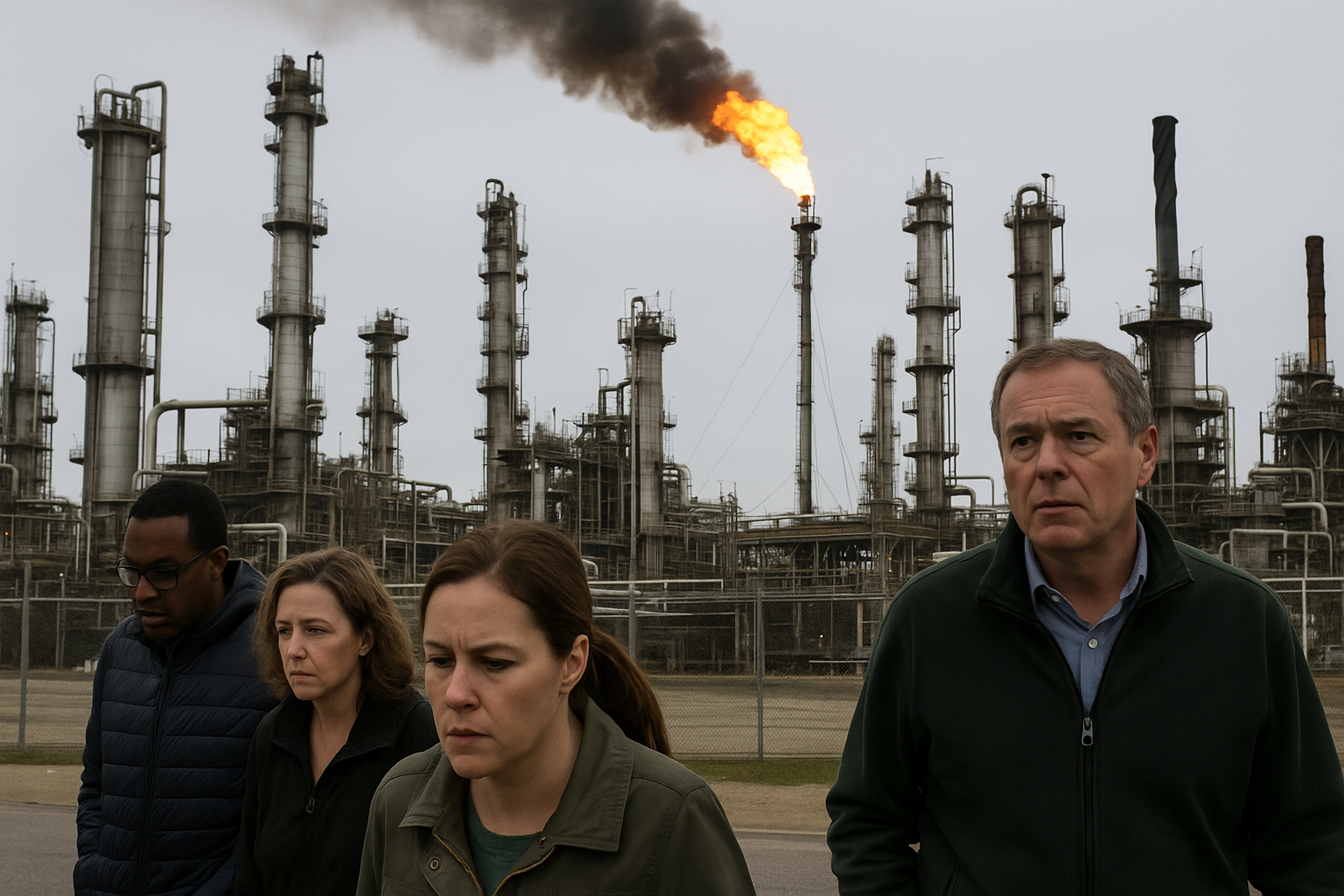
Brent crude at $93.16 a barrel is a tax on your life, not an invitation to become an oil trader from your phone. One headline can mug your household budget and portfolio at the same time.
That is the bit most people get backwards. Petrol gets more expensive, they panic-buy whatever energy stock is flashing green, and then discover they have paid top dollar for a story they were already late to. I’ve made enough expensive decisions in business to recognise that move immediately: it feels like action, but it’s usually just emotion wearing a tie.
The $93 problem is bigger than your petrol bill
[Reuters reported on August 24](https://www.investing.com/news/economy-news/european-shares-slip-as-tech-drags-iran-sanctions-in-focus-4872794) that Brent crude had slipped to about $93.16 a barrel and West Texas Intermediate to roughly $85.70, after both benchmarks gained more than 5% last week. The immediate issue is the threat of tougher US sanctions on Iran and the risk of further disruption around the Strait of Hormuz.
That is the evidence in front of us: a sharp move, a live sanctions risk and a market already pricing uncertainty. It is not evidence that anyone can reliably pick the next oil move.
Oil does not need to remain above $90 for six months to do damage. The damage starts when households and businesses decide the higher price might stick.
A dearer tank of fuel hits the obvious places first: commuting, freight, flights and delivery costs. Then it gets into the less obvious places: supermarket shelves, tradespeople’s quotes, restaurant margins, construction budgets and every small business that needs things moved from A to B. Fuel is not merely an item in your monthly budget. It is an input cost embedded in a ridiculous amount of modern life.
That is why an oil spike is really an inflation problem in a black barrel.
For investors, the nasty bit is the collision. Rising energy prices can improve the earnings outlook for energy producers while squeezing consumers and making inflation harder to tame. That can put pressure on the interest-rate outlook at precisely the time many portfolios are priced for cheaper money and uninterrupted growth.
You can be right that oil is expensive and still lose money buying oil shares. Those are two different bets. One is about the commodity. The other is about what markets have already priced into a company’s shares, its production costs, debt, hedging, dividends and future capital spending. Plenty of people learn that distinction after donating a few grand to the market.
The Strait of Hormuz is not a distant geopolitical footnote
[Axios has reported](https://www.axios.com/2026/07/19/oil-prices-90-middle-east-fighting-gas-prices) that the Strait of Hormuz historically handles about a fifth of global oil and liquefied natural gas trade. In prior phases of this year’s conflict, the market had already shown how violently prices can move when ship traffic, insurance costs and tanker safety become uncertain. Brent briefly touched $126 in April before retracing, then moved back above $90 in July as fighting escalated again.
That history matters because it tells you two things.
First, energy markets are brutally sensitive to changes at the margin. The world does not need every barrel to disappear for the price to jump. It only needs enough supply delayed, rerouted, uninsured or trapped in the wrong place to make traders worry about the next cargo.
Second, the market can reverse just as quickly when supply expectations improve. In [June](https://www.axios.com/2026/06/14/oil-prices-us-iran-war-hormuz-strait-peace-deal), the prospect of a US-Iran agreement and a reopening of the strait pushed oil sharply lower. By July, the breakdown of that fragile arrangement pushed prices up again. Anyone pretending to know the precise next move is either selling something or needs more hobbies.
This is why I would not build a household financial plan around predicting Washington, Tehran or the next tanker incident. That’s not investing. That’s trying to win a pub argument against people with aircraft carriers.
The useful takeaway is not a price target. It is recognising that the same route can produce a violent spike, a sharp reversal or both. Build your plan so it survives all three outcomes.
The second-order hit: rates, wages and weak businesses
The overlooked risk is not simply that you pay more at the pump. It is that inflation becomes sticky enough to alter the whole financial backdrop.
When oil rises, central bankers have an awkward problem. They cannot produce more crude. But they also cannot casually ignore broad price pressure if expensive energy starts feeding into wages, services and consumer expectations. If the inflation outlook worsens, investors may have to abandon hopes for lower rates, or accept that rates stay restrictive for longer.
That matters to anyone with a mortgage, anyone rolling business debt, anyone buying a home, and anyone holding richly valued growth stocks that rely on future profits doing most of the heavy lifting.
A high-rate environment is not automatically bad for every business. Cash-generative operators with pricing power, manageable debt and customers who genuinely need their product can cope. The trouble is that people call every company with a decent brand “pricing power” right up until its customers start trading down.
The weaker businesses get exposed first. They have thin margins, high debt, discretionary customers and no ability to pass along costs without losing sales. That can include retailers, restaurants, transport businesses, manufacturers and plenty of fashionable growth companies that have never had to prove they can make real money in a tougher operating environment.
For founders, this is the practical lesson: do not wait for your input costs to rise before understanding your gross margin. Know which suppliers can raise prices, how quickly you can reprice, what your customers will tolerate, and which expenses are genuinely variable. If you only learn that when fuel and freight are up, you are not managing a business. You are reading the autopsy.
Write this down before the next supplier email lands: which costs move with fuel or freight, which customer contracts can be repriced, and who has authority to make that call. A margin problem gets more expensive every day it sits in someone’s inbox.
The contrarian view: don’t confuse a hedge with a personality
Here is the contrarian bit: you probably do not need a heroic oil trade. You need a less fragile life.
There is a strange modern habit of treating every risk as a chance to open a position. Sometimes the smart response to a risk is not buying a ticker. It is reducing the damage if the risk becomes real.
If rising energy costs would force you onto a credit card, the urgent investment is not an energy ETF. It is cash reserves.
If you own a business with no pricing process, the urgent investment is not a macro newsletter. It is a spreadsheet that tells you exactly what happens to margin when freight, fuel or inputs rise by 10%.
If your portfolio has become one enormous bet on long-duration technology shares, the urgent investment is not more stock-picking. It is admitting you are concentrated.
Energy shares can have a legitimate place in a diversified portfolio. So can broad commodity exposure for investors who understand the volatility and the vehicle they are using. But buying after a sharp move because a news alert has frightened you is not diversification. It is performance chasing with a geopolitical soundtrack.
I’d also be careful with the lazy claim that oil companies are a perfect inflation hedge. Their shares are still shares. They can fall with the broader market, get hit by political risk, suffer operational problems, or disappoint investors with costs and capital spending. A barrel of oil and an oil producer are related, not identical twins.
The test is brutally simple: if you cannot explain what you own, why you own it, and what would make you sell it before you buy it, you are not hedging. You are reacting.
What this means for you
Do these five things this week instead of pretending you can out-trade the Middle East.
1. Stress-test your personal cash flow. Add 10% to your fuel, transport and grocery spending for the next three months. If that creates a problem, you have found a cash-reserve problem before it becomes a debt problem. Put the revised number beside your actual monthly income and existing bills. Do not eyeball it. If the gap is ugly, deal with the gap now rather than financing it later.
2. Look at your debt properly. Know your mortgage rate, reset date, credit-card rate and business borrowing terms. Higher energy prices can keep broader borrowing costs uncomfortable for longer. Hope is not a refinancing strategy. Put every rate and reset date in one place, then work out which debt hurts first if the backdrop stays tougher for longer.
3. Audit your portfolio concentration. Check how much of your wealth is tied to a handful of growth stocks, one country, one sector or one theme. Do the maths by dollar value, not by the number of holdings. Owning five AI companies is not diversification; it is five versions of the same bet. If you find a position you cannot stomach falling, that is useful information about your risk, not a reason to ignore the spreadsheet.
4. If you run a business, price before you are forced to. Build a simple trigger: when freight, fuel or a key input rises by a set percentage, you review pricing within 48 hours. Small, regular price adjustments beat one desperate price hike after margins have already been flattened. Decide who checks the trigger, who approves the response and what customers are told. A process beats a last-minute panic meeting.
5. Keep investing boring. Continue regular contributions to a diversified plan if your time horizon is long. Keep emergency money out of volatile assets. Rebalance according to rules you set when you were calm, not according to whatever crude oil does before breakfast. The goal is not to look clever during a spike. The goal is to avoid making a permanent mistake during one.
The point is not to be fearless about $93 oil. It is to be prepared enough that it does not make you stupid.
Markets will keep finding new ways to test your nerve: a war, a rate scare, an oil spike, a stock mania, some bloke on television promising certainty. The wealthy people I know who stay wealthy are not the ones who predict every shock. They are the ones who build enough margin into their finances and businesses that a shock is inconvenient, not fatal.
That is a far better plan than chasing the barrel after it has already rolled downhill.