Calle 23 Criollo El Dos: Why 3,932 Bottles Took Eight Years
Most limited-edition tequila is marketing dressed up in a fancy bottle. Calle 23 made only 3,932 bottles of Criollo El Dos because eight years of patience is brutally expensive.
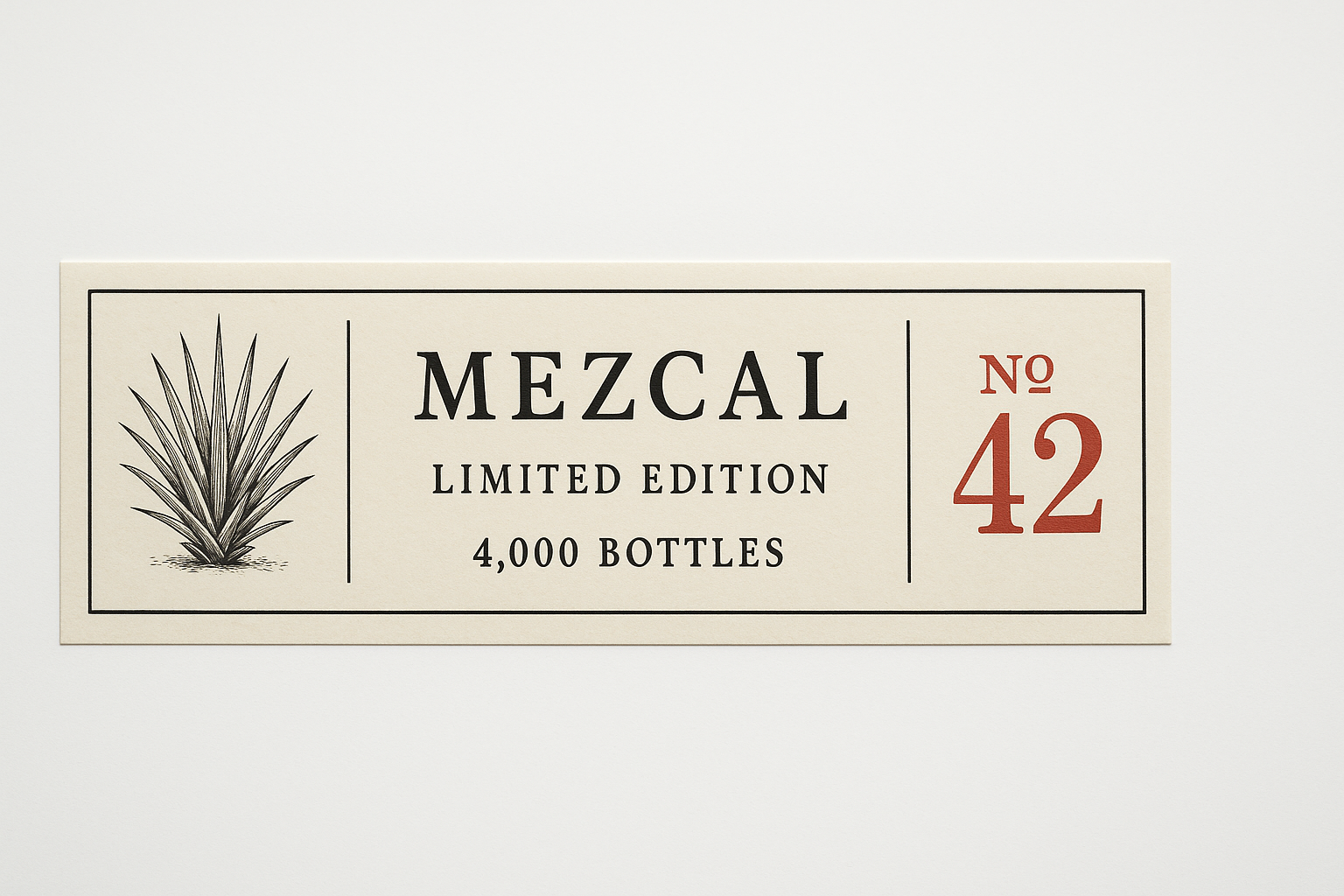
Most limited-edition tequila is marketing dressed up in a fancy bottle. Calle 23 made only 3,932 bottles of Criollo El Dos because eight years of patience is brutally expensive.
That distinction matters. One is a scarcity story invented by a marketing department. The other is what happens when a producer starts with a difficult raw material, puts spirit into barrel, keeps tasting it, and refuses to rush the answer just because accountants prefer inventory that actually moves.
Calle 23’s Criollo El Dos Reposado reached a select Copenhagen allocation on August 23, 2026, after its broader July release. It is bottled at 46.7% ABV, made from the rare Criollo variant of Blue Weber agave, and limited globally to 3,932 bottles. That is not enough volume to change the tequila market. But it is enough to expose where the market is getting the premium game badly wrong.
The core story: 3,932 bottles and an eight-year refusal to hurry
Criollo El Dos is the follow-up to Calle 23’s acclaimed 2018 Criollo Blanco. Founder and maestra tequilera Sophie Decobecq created the original around the birth of her first son, Abel. The new expression is dedicated to her second son, Eliès.
That personal framing is nice, but don’t miss the operational point: Decobecq did not take the easy route of repeating a successful bottle with a new label. She took a batch of Criollo Blanco, put it into well-seasoned ex-whiskey barrels on the day Eliès was born, and initially planned a nine-month reposado.
Then she kept going.
Some liquid was taken out and held at the reposado stage. Other portions continued into añejo territory. More remained in barrel longer still, becoming extra añejo. The finished bottle is a blend of those different maturation points from the same underlying distillate.
The release is still labelled reposado. That will annoy people who think a category label should tell them the whole story. Tough luck. The more useful question is whether the bottle is transparent about what it contains and whether the producer has made a coherent drink. In this case, Calle 23 has been unusually clear: this is not a conventional single-age reposado; it is a deliberate blend of tequila captured at several points in its barrel evolution.
The company says roughly half of the original production disappeared to evaporation across the project. That is the angel’s share, and it is a lovely romantic phrase right up until you are the person paying for it. Eight years of tied-up stock, barrels, warehouse space, capital and lost liquid is not a cute brand story. It is a financial decision.
That is why only 3,932 bottles exist.
Why the raw material makes this harder than it looks
Criollo is not a separate species from the Blue Weber agave required for tequila. It is a smaller, rarer variant of it. Smaller plants mean less juice per harvested piña. Less juice means less yield. Less yield means the producer has to be bloody certain the result will justify the effort.
Most operators do not volunteer for that maths. Nor should they, unless they have a very clear reason.
Calle 23’s own production story begins in the Highlands of Jalisco, between Tepatitlán and Arandas, where it says its agaves take seven to nine years to mature. That alone should be a reality check for anyone casually treating tequila like an asset-light celebrity merch line. Before a bottle has a design agency, a rapper, a golf-day launch or a ridiculous price tag, there is a plant that has spent most of a decade in the ground.
For Criollo El Dos, the production method was reportedly kept aligned with the original Criollo Blanco: low-pressure autoclave cooking, the same yeast, and the same fermentation and distillation approach. The idea was to make time in barrel the main variable rather than changing everything at once and pretending the outcome proved something.
That is proper product development. Change one big thing, observe it honestly, then decide whether the result deserves to live.
It is also the opposite of how plenty of premium spirits are built now. Too many brands begin with a pricing target and reverse-engineer a story. First comes the $200 ambition. Then comes a wooden box, a founder’s tale, a vague claim about heritage and a production process no one can properly interrogate.
Calle 23 began with an inconvenient ingredient and a question. That is a much better place to start.
The second-order implication: premium tequila is splitting in two
The headline lesson here is not that every tequila brand should make a tiny allocation and wait eight years. That would be idiotic. Most businesses need repeatable production, dependable cash flow and a product customers can actually find again.
The lesson is that premium tequila is dividing into two very different businesses.
The first business is brand-led luxury: celebrity names, packaging, paid attention and broadly interchangeable liquid. It can work commercially. I am not here to sneer at a business that sells. But its moat is usually distribution and marketing spend, not production difficulty.
The second is producer-led luxury: a bottle earns its price because the production decision is expensive, limiting and difficult to reproduce. The scarcity is a consequence of the work, rather than the work being an excuse for scarcity.
Criollo El Dos belongs in the second camp, at least based on the disclosed production story. Its small run is not a magical guarantee that it tastes brilliant. No sensible drinker buys a bottle merely because a number is printed on the allocation. But 3,932 bottles is credible when you combine rare material, low yield, multi-stage aging and substantial evaporation.
This is the bit investors and founders should clock: a credible constraint is more valuable than a manufactured one.
A brand can manufacture a waiting list. It cannot cheaply manufacture eight years of disciplined decisions. Consumers eventually notice the difference, especially the serious ones. And serious consumers are the people who buy twice, recommend bottles to friends and care when you release the next thing.
The overlooked angle: this is a lesson in product architecture, not scarcity
The lazy read is that Calle 23 has made a collectible. Fair enough. It probably has.
But the sharper read is that Decobecq has built an answer to a very hard product-design problem: how do you create a sequel to a cult bottle without simply photocopying it?
Her answer was to keep the Criollo agave identity and alter the dimension being explored. The 2018 Criollo Blanco put the plant front and centre. Criollo El Dos uses the same family of raw material but asks what happens when you layer time without allowing wood to flatten the agave character.
That is a better innovation model than launching a dozen pointless line extensions. It gives customers a reason to care, while preserving the original bottle’s identity.
I see this while building Agave Finder: people do not need more labels shouting louder at them. They need better information about what separates one bottle from another. Which agave? Which region? Which distillery? What production choices? What is actually scarce, and what is just expensive?
The industry’s opportunity is not to create more confusion at the shelf. It is to reward producers willing to explain the work.
There is a caution here too. Stories about patience can become a dangerous excuse for indulgence. A founder cannot call every delayed product “craft.” Sometimes it is just poor planning wearing a linen shirt.
The test is simple: can you point to a specific decision, a specific constraint and a specific benefit to the customer? Calle 23 can. The Criollo plant has a lower-yield profile. The spirit was deliberately sampled and retained at different stages. Long aging cost stock through evaporation. The final product is a blend designed around those stages.
That is substance. If all you have is a numbered bottle and a press release about passion, save your money.
What this means for you
If you are a tequila buyer, do not buy Criollo El Dos solely because there are 3,932 bottles. Limited supply is not quality. Buy it only if you value a high-proof, agave-led tequila designed to evolve in the glass and you can afford to drink it rather than worship it on a shelf.
If you run a drinks brand, stop treating “limited edition” as a growth strategy. It is not. A limited release should demonstrate a capability your core range cannot show: unusual sourcing, an experimental production method, a serious blend, a meaningful collaboration or a genuinely constrained process. Otherwise, it is just a slower way to disappoint customers.
If you are an operator in any industry, steal the real lesson: build constraints into your product for a reason, then explain them plainly. The best premium businesses do not merely charge more. They make it obvious why the cheaper version cannot deliver the same thing.
And if you are an investor, look past the bottle count. Ask whether scarcity is structural or staged. Structural scarcity can be a moat. Staged scarcity is often just a marketing expense with a nicer font.
Calle 23 has not solved tequila’s broader premiumisation problem with 3,932 bottles. It has done something more useful: it has shown that genuine scarcity still exists when someone is willing to make a product the hard way.
That is rarer than another celebrity tequila. And worth paying attention to.