Cathy Engelbert Exits WNBA After $1B Player Deal
The WNBA has promised players more than $1 billion. Cathy Engelbert is leaving before anyone finds out whether the business can actually carry it.
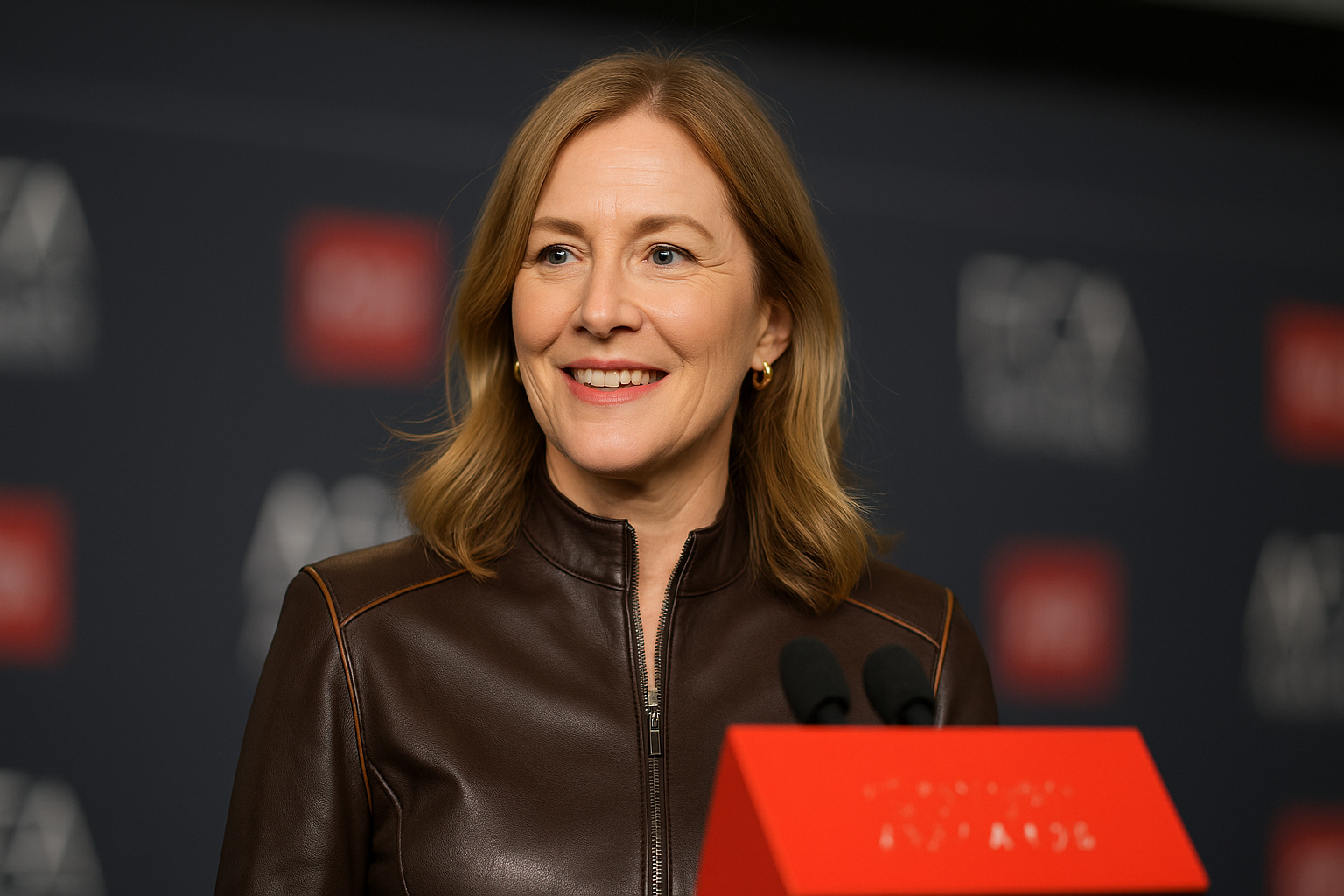
The WNBA has promised players more than $1 billion in salaries and benefits through 2032. Cathy Engelbert has now announced she’ll retire at the end of 2026.
That is not a victory lap. It is a handover of execution risk.
On September 4, the WNBA said Engelbert would step down after seven years as the league’s first commissioner. She leaves having done the hard, unglamorous work of turning a sports property with plenty of cultural relevance but limited commercial leverage into one with real negotiating power.
She also leaves just as the bills arrive.
Cathy Engelbert built the runway. Her successor has to land the plane.
Engelbert’s tenure produced numbers the WNBA simply did not have when she took the job in 2019.
The league raised $75 million in 2022 for long-term growth. It expanded its ambition from 12 teams to a planned 18 by 2030. It added charter travel, upgraded player conditions, expanded its schedule and helped put together a new seven-year collective bargaining agreement that starts in 2026 and runs through 2032.
That CBA is the main event.
The league says it expects to deliver more than $1 billion in player salaries and benefits over the term. The salary cap jumped from $1.5 million in 2025 to $7 million in 2026. Maximum salaries start at $1.4 million this year and are projected to exceed $2.4 million by 2032. Average salaries are projected to top $583,000 in 2026, while minimums range from $270,000 to $300,000 depending on service time.
Good. About bloody time.
But a higher payroll is not proof of a stronger business. It is a commitment to build one.
That is the distinction every founder, investor and sports owner needs to understand. Raising your cost base because the market expects it is easy. Building the revenue engine that pays for it is the job. And it is a far uglier job than issuing a triumphant press release.
The WNBA’s next commissioner will be judged less on speeches about momentum and more on whether revenue grows quickly enough to justify the fixed obligations now written into the business.
The league has stars. It now needs systems.
Caitlin Clark, A’ja Wilson, Breanna Stewart, Paige Bueckers, Angel Reese and Napheesa Collier are not merely excellent players. They are scarce commercial assets in an attention economy where most sports brands are trying to manufacture relevance out of clips, gimmicks and retired blokes shouting on podcasts.
The WNBA has the more valuable thing: current athletes people actively care about.
That matters. But it is not sufficient.
A league cannot build a durable $1 billion-plus labour commitment on a handful of star-driven spikes. The commercial model has to work when Clark is injured, when one team is bad, when the schedule is packed, when a game is on at an inconvenient time, and when a sponsor asks a brutally simple question: “What, precisely, am I buying?”
The answer cannot just be reach. Every sports league can promise reach. It has to be a reliable product: predictable audiences, credible data, clean sponsorship inventory, healthy local franchises, competent distribution and a fan experience that does not make paying customers feel like an afterthought.
Engelbert’s WNBA made major progress on the platform. Her successor has to turn it into machinery.
That means helping new and existing teams sell premium seating, local partnerships, merchandise and media packages without treating every franchise as if it lives in the same market. Toronto, Portland, Las Vegas, New York and Indiana should not be forced into one commercial template. Different cities have different buyers, different fan habits and different corporate ecosystems.
Centralised league growth is useful. Centralised thinking is expensive.
Expansion is exciting right up until it becomes payroll
Everyone loves expansion because it creates a big announcement, fresh merchandise and a few lovely valuation headlines.
But expansion is not free money. It is an operating test.
The WNBA has already added the Golden State Valkyries and brought Toronto and Portland into the league in 2026. The league’s stated plan is to reach 18 teams by 2030. More teams mean more roster spots, more games, more travel, more staff, more facilities, more local sales operations and more variance in how professionally each club is run.
Under the new CBA, roster sizes increase to at least 12 players, with two additional developmental spots. The schedule can rise to 50 games in 2027 and 2028, then as high as 52 games from 2029 through 2032.
That is the correct direction if demand is there. More inventory gives broadcasters, sponsors and fans more reasons to engage. It also gives stars more chances to earn and younger players a more credible professional pathway.
But there is no magic in adding inventory. More product is only valuable if somebody wants to buy it.
I have seen this mistake in business plenty of times. A company gets a bit of traction, decides the answer is “more”—more locations, more headcount, more products, more markets—and quietly turns a good business into a very busy average one.
The WNBA must avoid that trap. Expansion teams need owners who will spend on people and facilities, not just owners who like the social prestige of owning a women’s sports asset. The league also needs enough player depth to keep the standard high. If the talent pool is stretched too far, the product suffers. And if the product suffers, the shiny revenue forecasts become somebody else’s awkward board meeting.
The overlooked issue: the new commissioner inherits less room to bluff
Here is the contrarian view: Engelbert’s departure may be a healthy forcing function.
The WNBA does not need another executive whose main skill is narrating growth. It needs someone who can say no to bad deals, force operational standards across teams and make the commercial case without asking fans, players or sponsors to take it on faith.
The new CBA has reduced the league’s margin for vague ambition. That is a good thing.
Player revenue sharing creates upside, but it also creates accountability. If revenues outperform, players benefit. If clubs want to carry larger payrolls and better conditions, they need to build real revenues underneath them. This is how grown-up businesses operate: the people creating the value should participate in the upside, and leadership has to make the economics work.
The next commissioner must also manage the tension between the league office, owners and players. That will not be polite. It should not be.
Players such as Wilson, Stewart, Clark, Collier and Bueckers have more public influence than many league executives. Owners are putting more capital at risk. Sponsors want brand safety and measurable results. Broadcasters want dependable programming. Those interests overlap, but they are not identical.
A commissioner’s job is not to make everyone happy. It is to make the rules clear, make the incentives sensible and make decisions before small problems become national embarrassments.
That is where sports businesses so often come unstuck. They confuse popularity with organisational competence. One is a tailwind. The other is the engine.
What this means for you
Whether you run a startup, own a business or invest your own money, the lesson from Cathy Engelbert’s exit is simple: do not confuse a successful fundraise, contract or announcement with a completed strategy.
The WNBA has secured an enormous promise to its players. Now it needs the revenue, operating discipline and leadership to make good on it. That is the real work.
Use this tomorrow:
1. Separate the headline from the obligation. If you sign a major customer, raise capital or hire aggressively, write down what must be true for that decision to pay off. Revenue target. Margin. retention. Delivery capacity. Date. No waffle.
2. Build for the non-star case. Do not base your forecast on your best salesperson, biggest client or viral month. The WNBA cannot rely on one player or one market. Neither can you.
3. Treat growth as a systems problem. More customers, staff, locations or products are only valuable if the underlying systems get stronger. If they do not, growth is just expensive chaos wearing a nice suit.
4. Choose leaders for the difficult middle, not the launch party. Starting a new chapter is glamorous. Running it when costs rise, stakeholders complain and the numbers miss is where leaders earn their money.
Engelbert leaves the WNBA with far more leverage, capital and ambition than she found. That is a serious achievement.
But the next commissioner inherits the part that separates a hot property from a great business: proving the economics work when the applause dies down.