Comcast and Charter Face 2 Lawsuits as Sports TV’s Old Cash Machine Dies
Zero live major-league games. Main Street Sports is still suing Comcast and Charter over carriage fees it says they owe—the final invoice from sports TV’s dead cash machine.
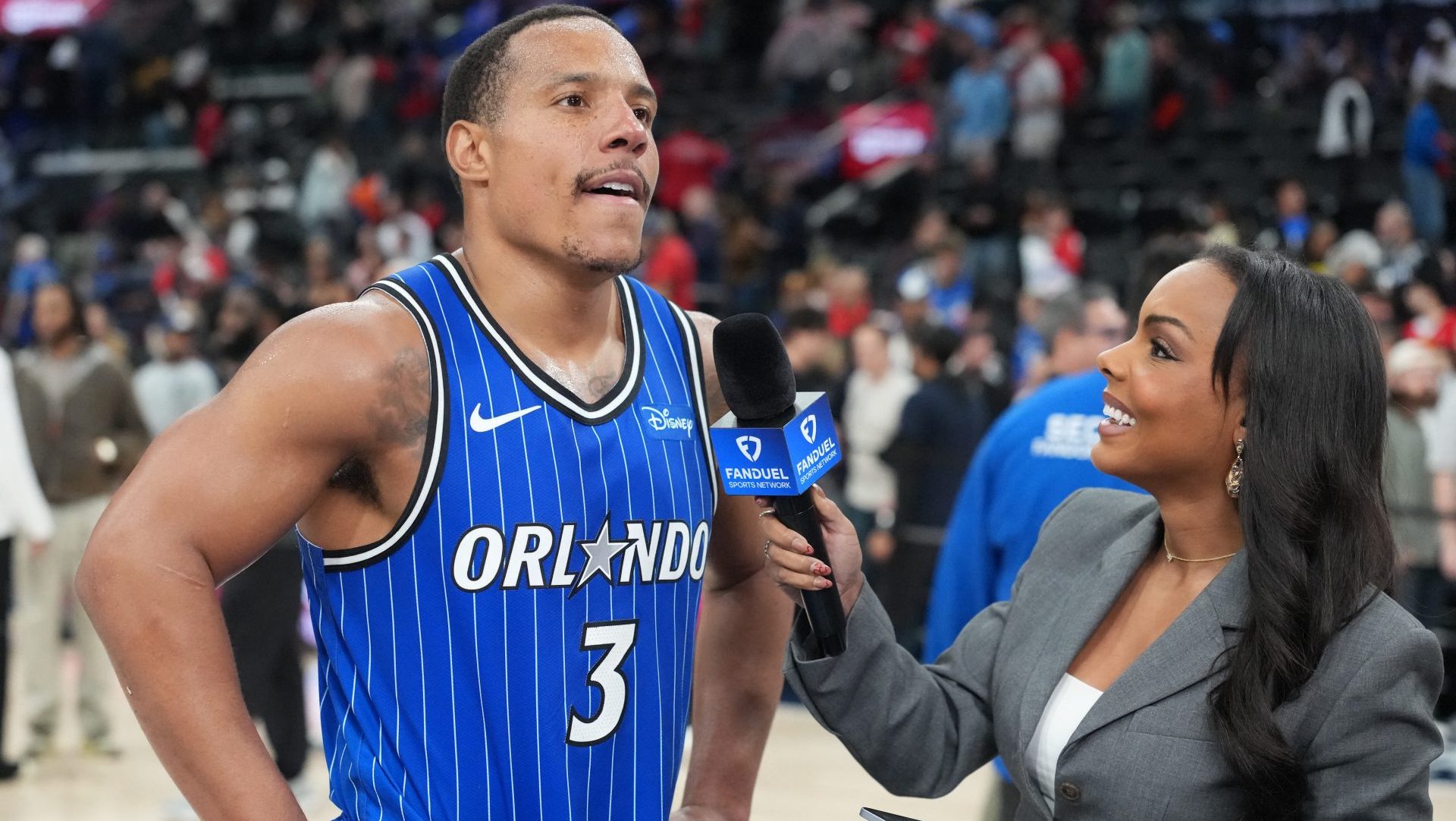
The most honest number in sports media this week is zero: Main Street Sports now carries zero live major-league games.
Yet the former owner of the FanDuel Sports Network channels is still chasing Comcast and Charter for what it says are significant unpaid carriage fees. That is not just a grim little clean-up job. It is the autopsy of a sports-media business that spent years pretending a leaking bucket was a growth strategy.
Main Street Sports Group filed separate breach-of-contract lawsuits in Delaware Superior Court against Comcast and Charter Communications, alleging the two pay-TV giants improperly stopped paying under their distribution agreements after the 2025–26 NBA and NHL playoffs. The public filings are heavily redacted, so there is no public dollar figure for either claim. Main Street says the amount is significant. Comcast and Charter declined to comment to Front Office Sports.
That missing lawsuit number does not make the stakes small. Main Street’s restructuring plan aimed to reduce debt from roughly $9 billion to about $300 million. Now the company is winding down, the games are gone, and the fight is over the last scraps of a model that used to print money.
The lawsuit is about more than unpaid bills
Main Street was previously known as Diamond Sports Group, the regional-sports-network operator that once sat at the centre of local broadcasting for dozens of major-league teams. Its FanDuel-branded networks carried local NBA, NHL and MLB games, and the core commercial arrangement was brutally simple.
Cable companies paid carriage fees to put the channels into customer packages. The network used that money, along with advertising and streaming revenue, to pay teams for local media rights. Teams got a predictable cheque. Cable operators got live sport that helped keep customers from cancelling. Fans got the game on the television in the lounge room.
Everyone called it a partnership. It was really a chain of obligations, and chains are only as good as the weakest link.
Main Street says Comcast and Charter cannot simply terminate their obligations and walk away from fees that had already accrued. In its complaint against Comcast, Main Street argued that termination does not remove Comcast Cable’s responsibility to pay accrued licence fees. Its case against Charter makes the commercial point even more bluntly: money paid to Main Street would flow through to NBA and NHL team-rights partners and other creditors.
That is why this matters beyond two corporate legal teams arguing over redacted contracts. If the distributor payments were due, the missing money did not just hurt a failing broadcaster. It potentially left teams and creditors further out of pocket.
Main Street’s final live games came in the first round of the NHL playoffs. Neither the NHL nor its teams renewed with the company. Its remaining MLB clubs had already departed in February. By late June, the distribution partners had fully dropped the channels, according to TheDesk.
So this is not a negotiation over the next season. It is a fight over who wears the loss from the last one.
The regional-sports-network bargain broke because the customer changed
For years, local sports TV operated on a convenient fiction: every household in a cable bundle would help fund expensive sports rights, whether they watched the Cleveland Cavaliers, St. Louis Blues or Detroit Tigers or not.
That cross-subsidy was the magic trick.
A hard-core local fan might happily pay for sport. But the economics became extraordinary because millions of households who barely watched sport also paid indirectly through their cable bills. That gave regional sports networks the confidence to bid huge sums for team rights. Teams got accustomed to guaranteed annual payments. Owners underwrote player payrolls, arena plans and franchise valuations around those payments.
Then consumers started leaving the bundle.
Cord-cutting did not merely reduce a revenue line. It attacked the model’s engine. Fewer subscribers meant fewer households sharing the cost of the rights. But the rights fees owed to teams did not politely fall at the same speed. They remained contractual, often long-dated and expensive.
That is how you end up with a business where the product is still valuable — local live sport remains enormously valuable to committed fans — but the delivery system has become financially absurd.
Main Street filed for bankruptcy protection in 2023 while still operating as Diamond Sports Group. After restructuring, it emerged from bankruptcy in early 2025 under the Main Street name. TheDesk reported that its plan aimed to reduce debt from roughly $9 billion to about $300 million.
That is a massive haircut. But a haircut is not a cure if the underlying business is still losing its audience and its best rights.
The company’s wind-down shows the difference between restructuring debt and fixing a business model. One is paperwork. The other requires customers to keep paying.
Comcast and Charter are not villains for refusing to bankroll a bad model
Let’s be careful here. Main Street has made allegations. Comcast and Charter have not publicly answered them in detail, and a lawsuit is not proof.
But there is a broader commercial reality that matters just as much as the legal outcome: distributors have spent years being asked to charge their customers more for regional sports channels while the number of customers willing to pay for traditional television keeps falling.
At some point, a distributor has to ask a perfectly rational question: why should we keep accepting old economics when the consumer has moved on?
This is where sports executives can get sentimental. They will talk about loyalty, local connection and the cultural importance of the hometown club. All true. None of it means Comcast or Charter should pay a dollar they do not contractually owe.
If Main Street proves the fees accrued under valid agreements, it should be paid. Full stop. Contracts matter, particularly when teams and creditors are waiting behind them.
But if the argument is really that cable distributors should keep propping up a network after the live rights have evaporated, that is not a contract claim. That is nostalgia dressed as finance.
The old regional-sports-network model trained teams to think local media income was a dependable annuity. It was never that. It was a leveraged bet on the cable bundle staying fat forever.
No serious operator should mistake a distribution structure for an asset.
The overlooked loser is not the broadcaster. It is the team budget.
The obvious loser here is Main Street. It is winding down, its workforce has largely departed or been laid off, and it no longer airs live major-league games.
But that is yesterday’s news.
The more important question is what happens to the clubs that built their economics around local-rights payments. A team does not need to go broke for the pain to be real. Lose a reliable media cheque and suddenly the margin for error shrinks everywhere: player payroll, front-office hiring, marketing, community programs, debt service, capital expenditure, and the appetite for risk in free agency.
The rich clubs will cope. The clubs with a deep ownership base, a major market, a strong direct-to-consumer strategy or a powerful local broadcast alternative will find a way through. They may even emerge stronger because they control more of their customer relationship.
The middle tier is where it gets ugly.
Those teams face a choice between smaller guaranteed payments today and riskier, potentially more valuable direct-to-consumer revenue tomorrow. That is not an easy swap. Guaranteed cash pays salaries. Subscriber projections pay PowerPoint consultants.
Some former Main Street clubs have shifted toward over-the-air television arrangements or league-supported distribution. That may produce less direct rights revenue than the old deals, but it can widen reach. More reach can mean more ticket buyers, more sponsors, more merchandise sales and a better chance of converting casual viewers into customers.
That is the contrarian point: a smaller TV cheque is not automatically worse business.
If a team gives up a bloated rights payment but becomes dramatically easier to watch, it may build a healthier long-term commercial base. The catch is that this only works if the club actually knows how to sell advertising, data, subscriptions, tickets and partnerships around the audience it gains.
Most sports organisations are good at selling emotion. Far fewer are good at running a modern media business.
Local sport is not dying. Lazy distribution is.
There is a lot of hand-wringing about the death of regional sports networks. Fine. Mourn the logo if you like.
But fans have not stopped caring about local teams. They have stopped tolerating a distribution model that makes them buy a bloated bundle, hunt through channel tiers and then discover the game is blacked out or missing anyway.
The demand is still there. The old pipe is what failed.
The next winners will not necessarily be the teams with the flashiest streaming app. They will be the teams and leagues that understand three basic things.
First, reach matters. Being easier to watch is a commercial weapon, not a charity exercise.
Second, data matters. A club that knows who watches, where they live, what they buy and which games trigger action has a more valuable audience than one sold blindly through a cable bundle.
Third, cash-flow discipline matters most. Do not spend a 10-year media projection as if it is a bank deposit. In sport, everyone loves to price the upside. The adults make sure they can survive the downside.
Main Street’s legal fight with Comcast and Charter may recover money for creditors and rights partners. It may not. The courts will sort that out.
But the strategic verdict is already in: the old local-TV machine is finished. The clubs that treat this as a temporary blip will be back in the same mess wearing a different network badge.
What this means for you
Whether you run a startup, own a business, invest for a living or manage a sports organisation, there is a very useful lesson here.
Never confuse a customer habit with a permanent entitlement.
Main Street’s model relied on a habit: households paying for big cable bundles. When the habit changed, contracts, debt restructurings and brand relaunches could buy time — but they could not recreate the customer.
Use this tomorrow:
- Find your disguised subsidy. What part of your business is being funded by customers who do not really value it? That revenue is more fragile than it looks. - Map the cash waterfall. Know exactly who gets hurt if one customer, distributor or platform delays payment. If you cannot see the chain, you do not understand your risk. - Price the downside before you celebrate the upside. A large contract is only valuable if the counterparty can and will keep paying through a bad cycle. - Own the customer relationship where possible. Third-party distribution can scale brilliantly, but it can also leave you blind when the platform changes the rules. - Do not wait for the crisis to renegotiate reality. The best time to build a second route to market is while your first one is still working.
That is the real sports-business story here. Comcast, Charter and Main Street can fight over the final invoice. The rest of the industry needs to stop acting as though the old cash machine is merely having a bad quarter.
It is gone.