ESPN’s 2,000-Game MLB.TV Bet Is Baseball’s $800M Reality Check
Baseball didn’t fix its television problem. It admitted the old model was stuffed, then handed ESPN 2,000 games and hoped fans would follow.
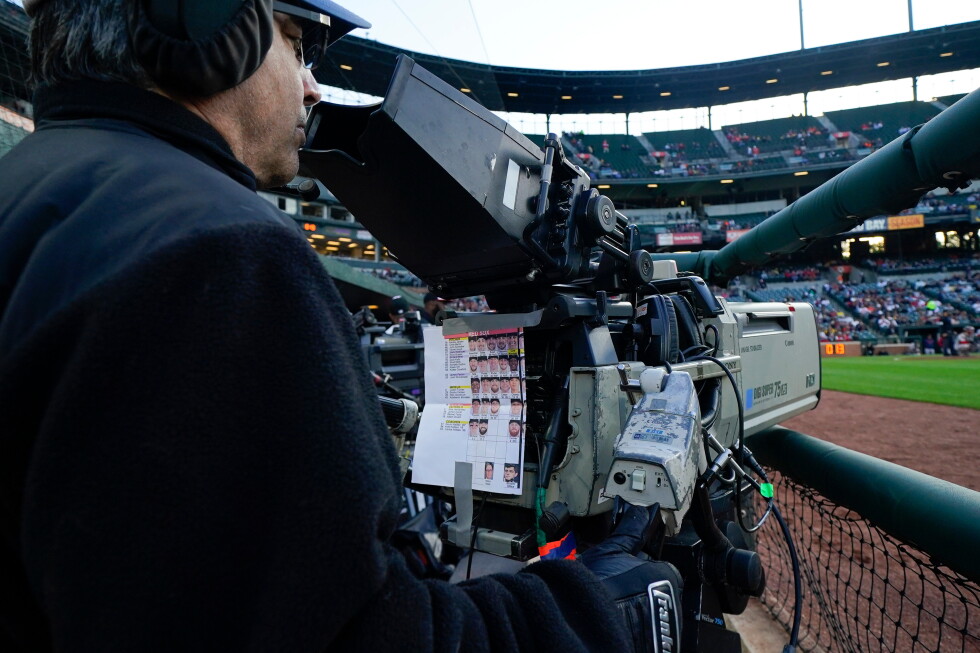
Baseball didn’t fix its television problem. It admitted the old model was stuffed, then handed ESPN more than 2,000 out-of-market games and hoped fans would follow.
That is the real meaning of Major League Baseball’s new media setup — a roughly $800 million-a-year collection of deals involving ESPN, NBCUniversal and Netflix. It is not a victory lap for streaming. It is a controlled demolition of the regional-sports-network model that used to print money for clubs whether anyone under 55 could find the game or not.
For the 2026 season, ESPN has taken control of MLB.TV distribution and is carrying more than 2,000 out-of-market regular-season games through its app. It also has a 30-game national package, with 23 of those games concentrated in June, July and August. Meanwhile, MLB is producing local broadcasts for a growing group of clubs whose old regional partners have fallen apart or walked away.
That is a massive structural change hiding behind the comforting sight of Aaron Judge hitting for the New York Yankees and Shohei Ohtani doing ridiculous Shohei Ohtani things for the Los Angeles Dodgers.
The product is still brilliant. The distribution system was not.
ESPN and Rob Manfred Are Buying Time, Not Solving Everything
The new agreement runs from 2026 through 2028. ESPN gets MLB.TV, a slimmed-down national schedule and selected local streaming rights. NBCUniversal gets Sunday night games and the Wild Card round. Netflix gets the Home Run Derby.
On paper, that looks like modernisation. In reality, it is MLB separating the valuable bits of baseball from the expensive mess around them.
The valuable bits are obvious: marquee live games, the postseason, big stars, nationally relevant moments and direct subscriptions. Nobody needs a management consultant to explain why the Yankees, Dodgers, San Diego Padres, Seattle Mariners and Philadelphia Phillies are easier to sell nationally than a random Tuesday cable game buried between infomercials.
The expensive mess is the local inventory: 2,430 regular-season games, wildly different markets, cable distributors losing subscribers and a decade of teams relying on regional-sports-network cheques that no longer made commercial sense.
Rob Manfred has been remarkably candid about where this is going. MLB wants more games in national packages and fewer channels for fans to navigate. Translation: the league knows its future cannot depend on every club negotiating its own cosy local media arrangement and pretending that is a strategy.
Good. It wasn’t.
A customer who has to work out whether a game is on cable, a separate streaming service, a league app, a local app or blacked out entirely is not a customer. He is a frustrated former customer waiting for a reason to watch something else.
The Clubs That Lost Their RSNs May Have Accidentally Got Lucky
Six clubs — the Milwaukee Brewers, Miami Marlins, Kansas City Royals, St. Louis Cardinals, Cincinnati Reds and Tampa Bay Rays — moved from Main Street Sports to MLB for local production and distribution this year. They joined teams already under MLB’s local-media umbrella, including the Padres, Cleveland Guardians, Mariners, Minnesota Twins, Arizona Diamondbacks, Colorado Rockies and Washington Nationals.
That is not a small side project. It is the foundation of what MLB wants to become by 2028: a league that can package more of its local rights centrally, make games easier to find and eventually negotiate with the leverage of scale.
The immediate commercial pain is real. A local deal that once paid a club a monster guaranteed fee is not magically replaced by a clean streaming revenue line. The Arizona Diamondbacks, for example, lost a reported deal worth roughly $90 million a year when their prior arrangement collapsed. That is not pocket change, even in a sport where an average MLB club is now valued at about $2.9 billion.
But here is the overlooked point: a bad revenue stream is not made good because it is familiar.
If a club is collecting a giant local-rights cheque while its fan base gets harder to reach every year, the team is effectively selling tomorrow for a bit of comfort today. That works right up until it doesn’t. Then everyone acts surprised when the customer relationship belongs to a cable intermediary rather than the club.
The Padres have Fernando Tatis Jr. The Mariners have Julio Rodríguez. The Guardians have José Ramírez. Those are not merely players; they are recurring reasons for fans to open an app, buy a subscription, watch a clip, purchase a ticket or choose a sponsor’s product. MLB needs its distribution system built around making that relationship frictionless.
Not around preserving a dying cable bundle because that is how the invoices used to arrive.
The $800 Million Number Is Smaller Than the Lesson
Some people will look at the new national arrangements and say MLB took less money than it could have earned in the old world. They may be right in the narrowest possible sense.
But sport is not a one-quarter business. The clever operator asks a tougher question: what does this deal make possible three years from now?
ESPN did not just buy another batch of games. It bought a direct consumer relationship with baseball fans through MLB.TV. That matters because the economics of sports media are increasingly built on who owns the customer, who owns the billing relationship and who gets the data.
If ESPN knows what a fan watches, when they churn, which team they follow, whether they care about Ohtani or Judge, and what else they buy in the app, it can tailor advertising, subscriptions, betting integrations and commerce around that behaviour.
That is a better business than simply being the pipe that carries a game.
For MLB, centralising more local production gives the league a clearer view of demand across markets. It also creates the chance — not the guarantee, mind you — to reduce blackouts and offer fans a more coherent product before the next major rights negotiation begins.
The league is effectively trading some local autonomy for a chance at a better national machine.
That is usually the right trade when the old local model is visibly cracking.
The Contrarian View: More Access Does Not Automatically Mean More Money
Now, before we start handing out medals, here is the part the streaming evangelists skip over.
Making games easier to find is necessary. It is not sufficient.
Baseball has an inventory advantage no other major American sport can match: games nearly every day for six months. But volume can also become clutter. More than 2,000 games on an app is brilliant for the committed fan and irrelevant for the person who does not yet care.
The risk is that MLB confuses availability with demand.
Netflix does not need more content. It needs content people feel they cannot miss. ESPN does not need another thousand interchangeable broadcasts. It needs moments, personalities and a product that gives viewers a reason to stay inside its ecosystem rather than simply dropping in for a game and disappearing.
That is why the stars matter so much. Judge, Ohtani, Tatis, Rodríguez and the next wave of players are the front door. The media architecture is the house behind it.
If MLB gets the house right but forgets to make the front door compelling, it will still lose younger fans to the NFL, the NBA, Formula 1, gaming and whatever format is eating attention next week.
The real test is whether the league turns distribution into discovery: better highlights, smarter personalisation, fewer blackouts, easier onboarding and a clear reason for a casual fan to become a paying one.
What This Means for You
There is a useful business lesson here, and it has nothing to do with baseball.
Do not mistake a legacy distribution partner for your customer strategy.
For years, MLB clubs treated regional sports networks as both. The cheque was big, so the arrangement felt safe. Then the cable bundle weakened, the economics changed and many clubs discovered they had outsourced too much of their audience relationship.
If you run a business, ask yourself three blunt questions tomorrow:
1. Can my customer buy from me without friction? If the answer involves too many steps, logins, forms, channels or hand-offs, you are losing money. 2. Do I own the customer data, or does an intermediary own it? If you cannot see behaviour, retention and repeat purchasing clearly, you are operating half blind. 3. Am I protecting a revenue stream that is quietly shrinking? The most dangerous income is not declining income. It is income that still looks healthy enough to stop you building the replacement.
ESPN’s MLB.TV bet is not sexy because it is perfect. It is interesting because it recognises reality before the old model fully collapses.
That is what good operators do. They move while the current business still works — not after it has become an expensive story about why nobody saw the problem coming.