Figure AI’s $3.5B Nscale Deal Is a Massive Bet Before the Robots Work
Figure AI has committed $3.5 billion to computing before it has proved humanoid robots can make that money back. That is either industrial genius or the most expensive PowerPoint slide in tech.
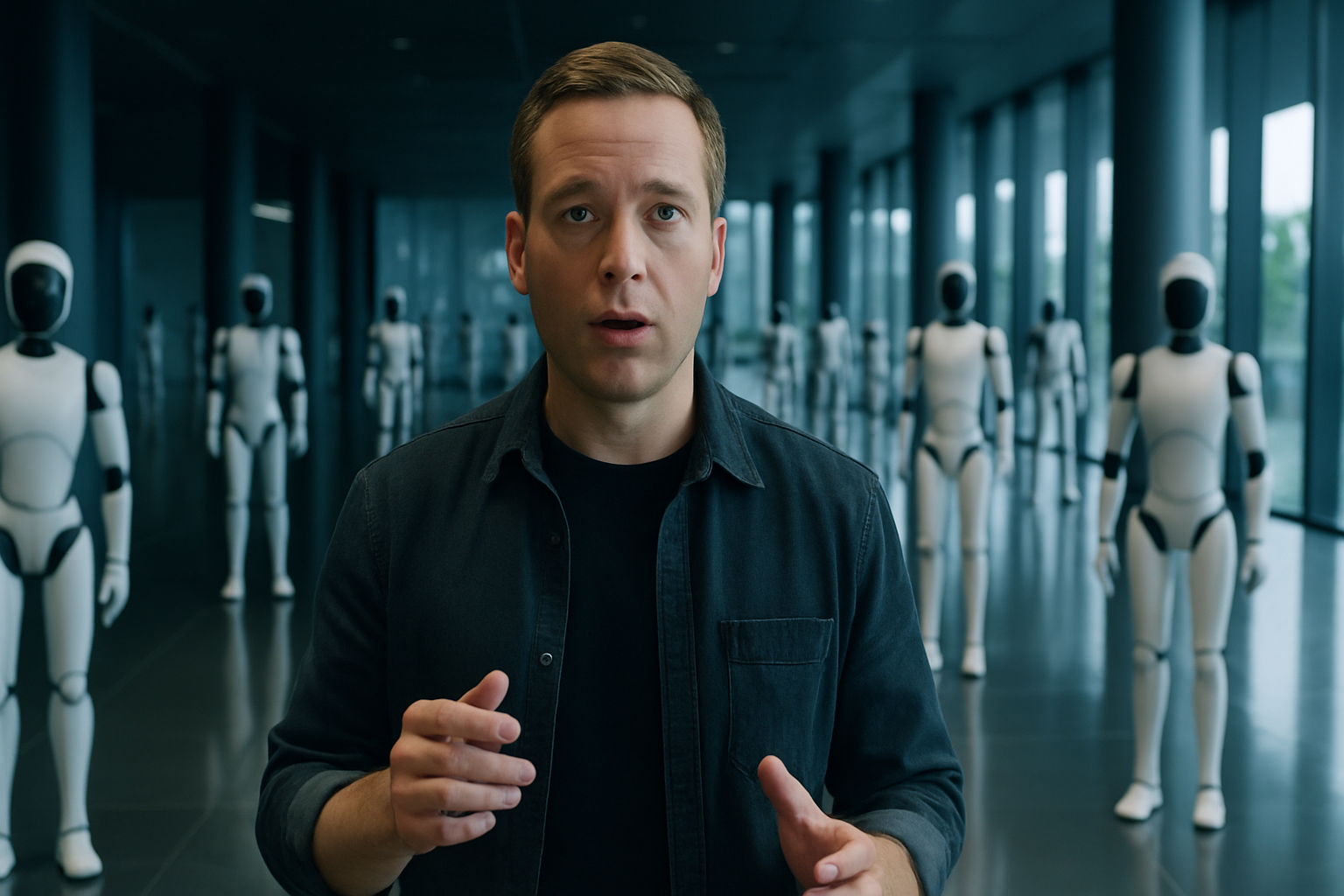
Figure AI has committed $3.5 billion to computing before it has proved humanoid robots can make that money back. That is either industrial genius or the most expensive PowerPoint slide in tech.
On September 3, Figure announced a multiyear deal with AI-cloud provider Nscale for an initial $3.5 billion of compute, with an intention to scale beyond $6 billion. The arrangement could put as many as 100,000 Nvidia Vera Rubin GPUs behind Figure’s Helix models, with initial deployment targeted for the second half of 2027 at Nscale’s Barstow, Texas site.
Let that sink in. A robotics startup is lining up billions in future compute before the hardware has shown it can become a widespread, profitable workforce.
I’m not taking the piss out of Figure founder Brett Adcock. Big businesses require big commitments. But founders and investors should look at this deal with both eyes open: this is what happens when the cost of competing shifts from paying engineers to reserving industrial-scale infrastructure.
This is not a funding round. It is a bill waiting for a business model
People will see "$3.5 billion" and call it a funding story. It isn’t. Nscale is making an undisclosed strategic investment in Figure, yes, but the headline number is a commitment to consume computing capacity.
That distinction matters enormously.
Equity funding gives you runway. A huge supply agreement gives you a destination. One is cash you control; the other is an obligation you must eventually justify with revenue, more capital, or both.
Figure says it is constrained by data and compute as it trains Helix, its AI system for humanoid robots. It also says its new Index data effort is generating 35 minutes of data every second. If you believe humanoid robots will learn useful physical tasks the way language models learned language — by consuming terrifying amounts of data and compute — then Figure’s logic is straightforward. Lock in the scarce stuff before everyone else does.
That is the bullish case.
The less comfortable version is that Figure is pre-buying a colossal amount of capacity for a market whose unit economics are still more ambition than audited fact. A chatbot can reach a million users without a factory, motors, batteries, safety systems, field servicing, insurance, warehouse integration and someone nearby when it drops a box on a bloke’s foot. Robots do not get to hide behind a browser tab.
The deal is strategically smart only if the robot business arrives quickly enough to carry it.
Figure and Nscale are building a flywheel — and flywheels can throw parts
The arrangement is more than a customer-vendor contract. Nscale becomes a Figure shareholder and Figure’s preferred compute provider. The companies will also explore using humanoids in Nscale’s supply chain.
That creates a neat industrial loop: Nscale supplies the training infrastructure; Figure trains smarter robots; those robots could help operate the physical infrastructure that supports more AI capacity.
In theory, beautiful. In practice, it means the two businesses are increasingly tied to the same central wager: demand for physical AI will turn up at enormous scale.
Nscale is not some sleepy hosting company. It is competing in the AI-cloud market with outfits such as CoreWeave and Nebius, and it has already moved aggressively into massive GPU deployments and data-centre capacity. The Figure agreement gives it a marquee robotics customer, a potentially enormous forward demand signal and equity upside if Figure becomes a category-defining company.
Figure gets preferential access to a supply of chips that will not be easy to procure if the AI infrastructure arms race keeps running hot.
Everyone has an incentive to announce large numbers. That does not make the numbers fake. It does mean operators should ask the boring questions that determine whether a deal is valuable or merely photogenic:
- Is the $3.5 billion fully binding, conditional, or usage-based? - Over what period is the capacity purchased? - What happens if deployment slips beyond the targeted second half of 2027? - What proportion is truly dedicated versus available on demand? - How much capital must Figure raise before this becomes productive capacity rather than a strategic promise?
The public announcement does not spell out all of that. And it shouldn’t surprise anyone if it doesn’t — commercial agreements are commercial agreements. But founders should not confuse an impressive headline with proof of durable economics.
The real product is no longer the robot. It is the learning loop
Here is the overlooked bit: Figure is not principally buying GPUs to make a robot walk across a warehouse. It is buying GPUs to shorten the time between collecting experience and improving behaviour.
That is the game.
A humanoid robot is a computer that has to work in the chaotic real world. Homes, factories and warehouses are full of edge cases. Doors stick. Objects are soft, reflective, awkwardly stacked or not where they should be. Humans do baffling things. The robot needs to see, reason, move and recover without creating a workplace incident or turning a household task into an episode of MythBusters.
Traditional robotics has often struggled because teams painstakingly programmed rules for controlled environments. Modern physical AI aims to learn more general behaviour from huge datasets, simulation and real-world feedback.
That is why Figure’s Index initiative matters as much as the Nscale cheque-sized commitment. Data without enough compute is a warehouse full of unopened boxes. Compute without useful data is a very expensive heater. The advantage goes to the company that closes the loop fastest: collect tasks, train models, test behaviour, deploy safely, collect better data, repeat.
If Figure can make that loop genuinely compounding, the $3.5 billion could look cheap in hindsight. If it cannot, then it has simply reserved a premium seat on a rocket that never leaves the launchpad.
The contrarian view: this could be more sensible than another giant equity round
Most commentary will treat this as reckless because the figure is so absurdly large. Fair enough. It should make you uncomfortable.
But there is a contrarian argument worth respecting.
If compute is essential production capacity, securing it early can be smarter than raising piles of equity and hoping supply appears later. Manufacturers sign long-term commitments for components. Airlines lock in aircraft orders. Energy companies contract capacity years ahead. Serious operators do not wait until demand is obvious and then discover every supplier has doubled the price.
Figure is behaving less like a software startup and more like an industrial company trying to control a critical input.
That is exactly what it should do if Helix is improving rapidly, deployments are coming and competitors will need the same scarce Nvidia systems. Waiting could be the expensive decision.
But there is one brutal difference between Figure and an established manufacturer: established manufacturers can point to years of demand, contracts, margins and reliable operating history. Figure is still proving the market that must pay for this machine.
That is why this deal is bold rather than merely prudent.
What this means for you
If you are a founder, stop treating infrastructure as someone else’s problem. Your bottleneck may not be capital. It may be access: to data, distribution, chips, energy, inventory, manufacturing capacity or regulated approvals. Identify the one input that can choke your company at scale, then build relationships and agreements before you desperately need them.
But do not copy Figure by signing a giant number because giant numbers look important on LinkedIn. Match long-term commitments to evidence. Secure options before obligations. Negotiate milestones. Keep escape hatches. Make sure each fixed commitment has a credible path to customer revenue, not just a pitch-deck path to the next round.
If you are an investor, look past valuation and ask what the company has already promised to spend. A startup can be asset-light in the deck and economically heavy in real life. Future obligations, supplier concentration and capital intensity matter just as much as topline growth.
And if you run an established business, don’t dismiss humanoid robotics as Silicon Valley cosplay. Figure’s $3.5 billion commitment is a signal that serious capital now believes physical labour can be improved by the same data-and-compute loop that transformed software. That does not mean robots are about to replace your team. It means the companies that learn where automation genuinely improves throughput, safety and margins will have a head start when the technology catches up.
The winner will not be the business with the flashiest robot demo. It will be the one that turns all this compute into reliable, repeatable work somebody is happy to pay for.
That is the only number that matters.