First Capital’s C$9.4B Sale: Retail Isn’t Dead—Bad Retail Is
First Capital’s C$9.4 billion sale says the market got retail wrong: bad retail is dying, but grocery and service centres with rent paid every month are still worth a fortune.
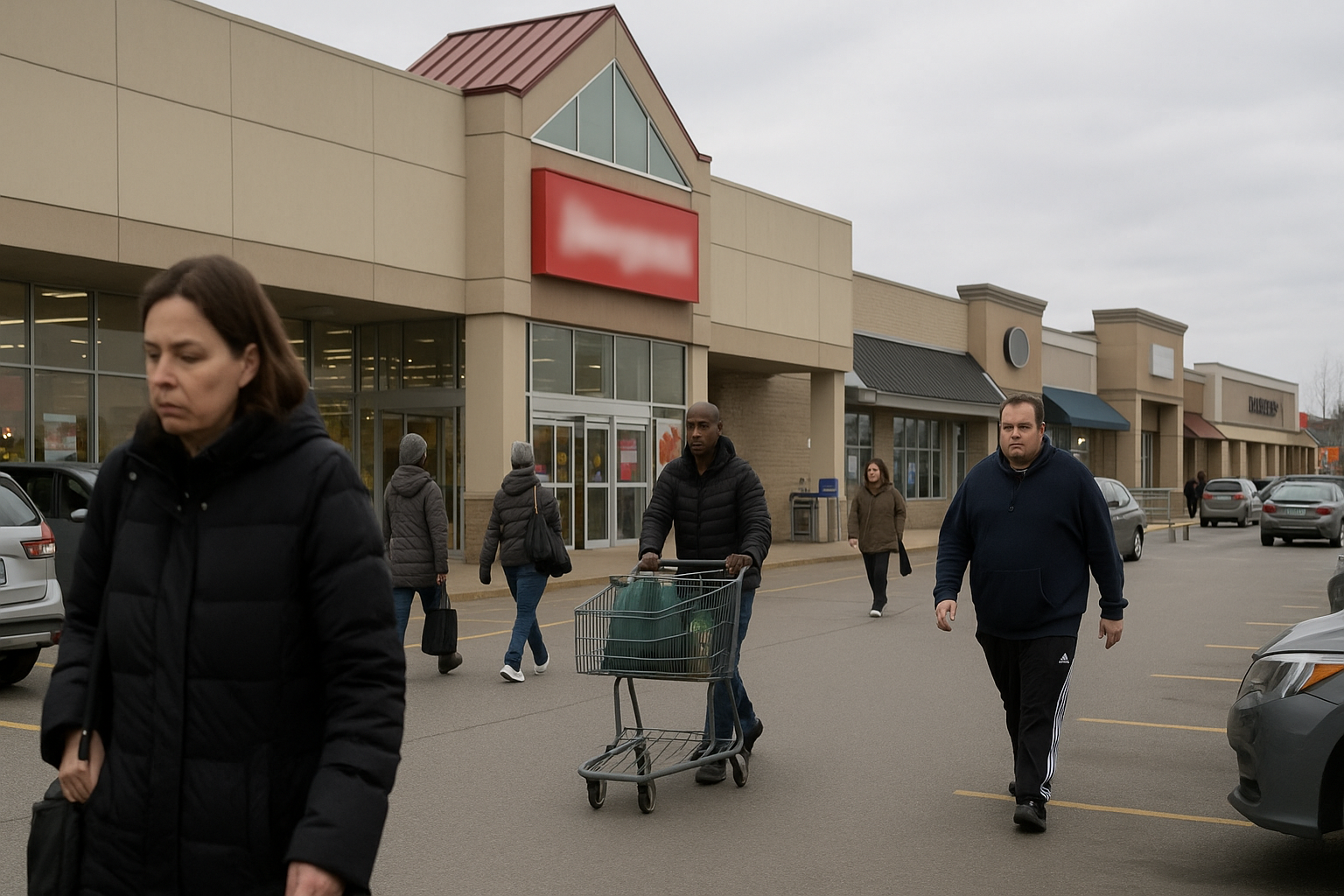
C$9.4 billion says the market got retail wrong. Bad retail is dying; the centres selling groceries and services are still worth a fortune.
First Capital REIT’s C$9.4 billion sale is a rude reminder that boring assets become very sexy when they produce cash, sit on irreplaceable land and sell groceries to people who refuse to stop eating during a recession.
This is not one takeover. It is a deliberate carve-up.
KingSett Capital and Choice Properties REIT have agreed to acquire First Capital REIT in a cash-and-unit transaction valued at roughly C$9.4 billion, including assumed debt.
That headline number matters. But the structure matters more.
Choice Properties is taking about C$5.0 billion of First Capital assets: roughly C$4.8 billion of income-producing properties plus C$0.2 billion of developments. The portfolio includes 101 properties and about 8.0 million square feet.
KingSett gets the rest: First Capital’s outstanding units, approximately C$4.4 billion of assets, including needs-based retail, high-street retail, development assets and other financial assets, plus the operating platform.
That is not a tidy merger. It is an asset sort.
One buyer wants scaled, dependable retail cash flow. The other wants the messier upside: city-centre retail, development, financial assets and the operating machine needed to make more out of them.
Good deals do not force every asset into one corporate PowerPoint. They put each asset with the owner most likely to improve it.
First Capital unitholders are set to receive C$19.24 in cash plus 0.3186 of a Choice unit for every First Capital unit. The total consideration was valued at C$24.40 per unit when announced: a 17% premium to the prior 20-day volume-weighted average price and an 8% premium to First Capital’s stated net asset value of C$22.57.
That last bit should make investors sit up.
When a listed property vehicle trades below what it says its assets are worth, management has two options. It can spend years promising the market will eventually recognise the value. Or it can sell, split or recapitalise the business and force a real price discovery.
First Capital chose the second option. Sensible.
Choice Properties is buying certainty, not excitement
The retail assets going to Choice are not built around the fantasy that shoppers will suddenly abandon their phones and spend every Saturday wandering a mall.
They are built around necessity.
Grocery-anchored and everyday-service retail is not glamorous. That is precisely the point. People need food, pharmacies, banking, fitness, discount goods, takeaway and basic services whether the economy is flying or getting kicked in the teeth.
The Choice acquisition portfolio is expected to generate full-year net operating income of about C$235 million in 2027, with near-term annual growth of approximately 3.5%.
That is the entire investment case in one sentence: acquire durable cash flow, then let rent growth, redevelopment and better financing do their work over time.
Not every business needs to invent a new category. Not every investment needs artificial intelligence stapled to it. Sometimes the winning move is owning the strip centre where the supermarket, chemist and discount retailer pay rent every month.
Choice is also making a very public bet that scale improves the economics. The transaction would add 101 properties and materially expand its retail footprint. Bigger portfolios can spread head-office costs, improve tenant relationships, access capital more efficiently and create more options for redevelopment.
But scale is only useful if the assets are good. Buying 101 bad properties does not create a great company. It creates 101 more reasons to lose sleep.
The distinction here is that Choice is buying a curated portfolio of necessity-led assets, not simply more square metres to brag about on an earnings call.
The financing tells you where the real risk sits
This is where the deal stops being a nice story about groceries and starts becoming a balance-sheet test.
Choice plans to fund its side with C$1.1 billion of newly issued Choice units to First Capital unitholders, a C$0.6 billion private placement of Choice units to George Weston Limited, assumed First Capital unsecured debentures of C$2.3 billion and approximately C$0.4 billion of in-place mortgages. The remaining funding is expected to come from new unsecured debentures.
In plain English: it is using equity, sponsor backing, assumed debt and fresh borrowing. That is a proper capital stack, not a magic trick.
After the transaction, Choice projected net debt to adjusted EBITDA of about 8.5 times, with a near-term aim in the low-eight-times range and a long-term target of 7.5 times.
That leverage is the part I would watch hardest.
The property itself may be boring and resilient. The debt is not. A great retail centre can still become a lousy investment if its owner pays too much, refinances badly or gets caught when rates move against it.
This is why I have little patience for investors who say, “I only buy quality assets.” Fine. At what price? With what debt? At what maturity profile? And who has to sell if the numbers go wrong?
The asset is only half the deal. The financing decides whether you get to enjoy the upside.
Choice says it intends to deleverage after closing. Good. It should. Every buyer says that, though, so I would judge it on actual debt reduction, interest coverage, asset sales if required, and whether operating income grows as forecast.
The overlooked angle: public markets have become a discount shop for private capital
Here is the uncomfortable bit for public-market investors.
A listed company can own decent assets, publish valuations, pay distributions and still trade at a discount because the market does not trust management, dislikes the sector, fears debt or simply cannot be bothered with a complicated story.
Private capital loves that setup.
KingSett and Choice did not discover that Canadians need groceries. They saw an opportunity to buy and separate a portfolio whose pieces may be worth more in different hands than inside one listed REIT.
That is the real lesson.
The public market often prices a company as a bundle of compromises. A strategic buyer prices each asset by what it can do with it.
That does not mean every cheap stock is a takeover target. Most are cheap because something is genuinely wrong. But it does mean investors should stop treating a share price as a divine verdict on business quality.
Look underneath it.
Ask whether the company has assets another owner could run better. Ask whether the corporate structure is obscuring value. Ask whether management is allocating capital for shareholders or merely preserving its own empire.
First Capital’s deal is evidence that the gap between public-market price and private-market value can become too large to ignore.
Retail is not dead. Mediocre retail is.
For years, plenty of people declared physical retail finished. They were partly right, but they painted with a broom.
Weak malls with interchangeable tenants, poor locations and no reason for customers to visit are under pressure. They should be. The internet is very good at selling generic stuff.
But a well-located centre built around daily needs is a different beast. You cannot download a bag of groceries into your fridge. You cannot have an online retailer quietly replace the convenience of a local pharmacy, dentist, gym, bank branch or takeaway shop in every neighbourhood.
And the best property assets carry another advantage: the land gets more valuable when a city grows around it.
That is why I would not reduce this transaction to “a REIT deal.” It is a bet on consumption, scarcity and urban land. The retail rent is the cash engine; redevelopment potential is the free option sitting underneath it.
KingSett appears to be taking more of that complexity and optionality. Choice is taking more of the repeatable income. Both may be right because they are not trying to own the same thing for the same reason.
That is smarter than most acquisitions, which are often just two executives deciding that a bigger logo will somehow solve a strategy problem.
What this means for you
If you are an investor, stop using sector labels as a shortcut for thinking. “Retail is dead” is lazy. “Property is risky” is also lazy. Find out what the asset does, who pays for it, how often they pay, how replaceable the location is and how much debt sits above it.
If you are a founder or operator, study the carve-up. Your business may contain two or three different businesses hiding under one roof. One could deserve steady, conservative capital. Another may need risk capital and aggressive operators. Treating them identically can destroy value.
If you run a company that trades below what you believe it is worth, do not whinge about the market. Make the value obvious. Simplify the structure. Sell the non-core assets. Return capital. Improve the economics. Or accept that someone else may do it for you.
And if you are raising money, remember this: boring cash flow is not a consolation prize. It is bargaining power.
The entrepreneurs who get rich are not always the ones who build the loudest businesses. Often, they are the ones who own the asset everyone needs, understand its economics better than the crowd, and know exactly when to sell it to someone willing to pay up.
That is what this C$9.4 billion deal is really about.
Sources
- First Capital REIT enters into agreement to be acquired by KingSett Capital and Choice Properties REIT in $9.4 Billion Transaction
- Choice Properties REIT: Transformational Acquisition of a Best-in-Class Necessity Retail Portfolio
- Reuters: KingSett Capital and Choice Properties to acquire First Capital REIT