Four Roses Experimental Series No. 002: $55 Honey Cask Bourbon
$55 for 375ml of bourbon sounds like a piss-take. Four Roses is not selling volume; it is selling experimentation—and that is exactly the point.
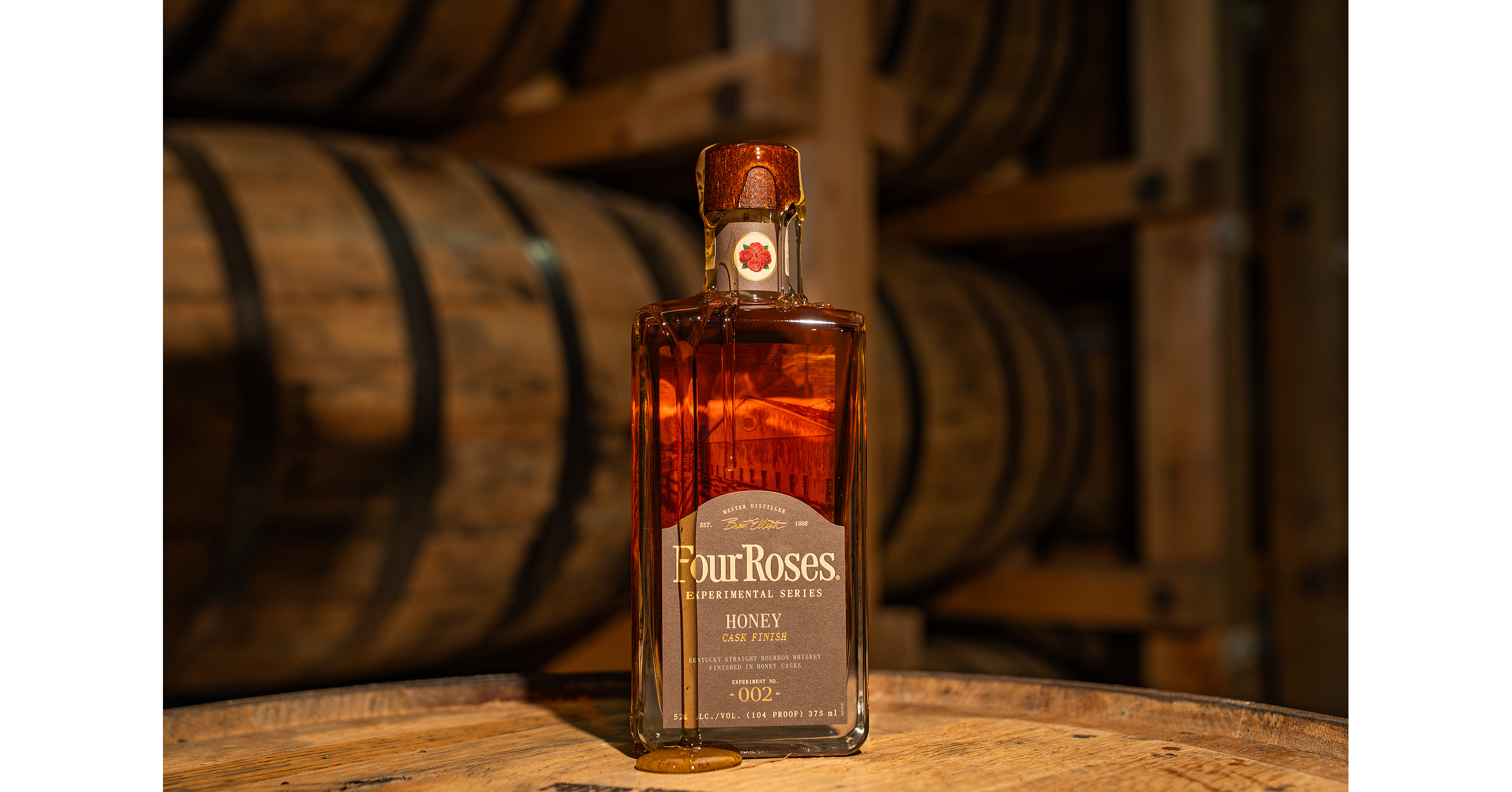
$55 for 375ml of bourbon sounds like a piss-take. Four Roses is not selling volume; it is selling experimentation—and that is exactly the point.
On August 25, Four Roses announced Experimental Series No. 002 Honey Cask Finish: a 104-proof Kentucky straight bourbon aged six to eight years, then finished for up to nine months in barrels that had previously held Four Roses Bourbon Barrel Aged Honey. It lands at the distillery’s Kentucky visitor centres on September 18 for $55 per 375ml bottle.
That works out to roughly $110 for a standard 750ml bottle. Not cheap. Not accidentally priced. And not aimed at the bloke looking for an everyday pour.
This is a useful lesson for anyone building a premium consumer brand: when the core market gets crowded, you do not need to invent a new category. You need to give an existing customer a more interesting reason to come back.
Four Roses is not really selling honey
The lazy read is that Four Roses has made a sweet bourbon. That misses the business move.
The company has taken barrels from a product already inside its own ecosystem—its bourbon barrel-aged honey—and turned them into an asset for a second product. Those barrels are no longer just a nice bit of brand theatre around honey. They become a flavour input, a story, a limited release and a reason for enthusiasts to make a trip to the distillery.
That is better than launching another generic “special edition” with a fancy label and a meaningless backstory. The barrel has a real journey: bourbon barrel, then honey barrel, then bourbon-finish barrel. Consumers can understand it in five seconds.
Four Roses says the release blends its OESQ and OBSK recipes. In plain English, it is not throwing random leftover liquid into a novelty cask and hoping Instagram does the rest. The liquid was selected, aged six to eight years, and finished for up to nine months. Master Distiller Brent Elliott is putting the experimental work under the Four Roses name, which matters because the brand has spent decades building trust around recipe-driven bourbon.
That trust is the real ingredient. Honey is just the headline.
The 375ml bottle is doing more work than most founders realise
The most interesting number here is not 104 proof. It is 375ml.
Premium spirits people have trained themselves to believe bigger bottles signal better value. Usually true. But limited releases are not bought with a spreadsheet. They are bought with a mix of curiosity, scarcity, confidence and the very human urge to own something before everyone else finds it.
A half-bottle lowers the absolute cash hurdle. Fifty-five dollars is still premium, but it is an easier decision than $110. That difference matters, especially for a drinker who wants to try something unusual without committing to a full-size bottle they may not love.
It also lets Four Roses keep the release special without pretending it is a luxury watch. A 375ml format says: this is a proper tasting experience, not a warehouse-sized purchase.
For the operator, that is a lesson worth nicking. Do not always solve premium pricing by discounting. Sometimes the better move is to shrink the commitment while preserving the quality, margin and brand position.
There is a big difference between “we made it cheaper” and “we made it easier to say yes.”
The first can damage a premium brand. The second can broaden the funnel.
Why this matters in a crowded spirits market
Bourbon has no shortage of releases. Walk into a decent bottle shop and you will find toasted barrels, wine finishes, rum finishes, exotic oak, celebrity collaborations, single barrels, anniversary editions and enough wax-dipped bottles to start a candle business.
Most of it is noise.
That is why a spirits release needs at least three things: a credible liquid proposition, a simple story, and a clear reason to buy now.
Four Roses has all three.
The liquid proposition is specific: six-to-eight-year bourbon, 104 proof, up to nine months in ex-honey barrels.
The story is specific: the barrels previously aged Four Roses’ own bourbon barrel-aged honey, made with local producer Bohman Bee Company.
And the reason to buy now is built into the release model: it is part of a limited Experimental Series and initially available at the brand’s Kentucky visitor centres from September 18.
None of that guarantees the bourbon will be brilliant. The bottle still has to taste good. But commercially, it gives buyers a clean answer to the question every premium product must answer: why this one, rather than the other 300 bottles on the shelf?
Founders routinely fluff this. They spend a fortune creating a product, then describe it with words like “elevated,” “crafted,” “disruptive” and “authentic.” That is corporate wallpaper. It tells the customer bugger-all.
Four Roses can say what it is in one sentence. That is an advantage.
The overlooked angle: this is distribution strategy disguised as innovation
The initial release is at Four Roses’ Kentucky visitor centres. Some people will see that as limited distribution. I see it as disciplined distribution.
If you launch a niche product nationally on day one, you create a pile of problems: allocating stock, educating distributors, fighting for shelf space, handling uneven retailer execution, and watching the product sit in the wrong stores because the buyer did not understand it.
By starting at its own visitor centres, Four Roses controls the first experience. It controls the merchandising, staff story, tasting opportunity and customer data. It also turns a bottle into a reason to visit.
That is smart because the distillery is not merely a production site. It is a retail channel, a brand theatre and a customer-acquisition machine rolled into one.
The strongest consumer brands increasingly understand this. Own a direct relationship where you can. If you cannot own the final sale, own more of the explanation. If you cannot own the explanation, do not be shocked when your carefully made product is reduced to a price tag beside ten competitors.
This is particularly relevant in spirits, where the three-tier system in the United States can put distance between a brand and the drinker. A distillery visit shortens that distance dramatically.
Do not confuse novelty with a moat
Here is the contrarian bit: barrel finishing is not a competitive moat. Anyone with money, barrels and a marketing team can do it.
The moat is whether customers believe you should be the one doing it.
Four Roses has a genuine platform for experimentation because it is already known for its 10 bourbon recipes and for the distinct character that recipe and maturation choices can produce. The Experimental Series is therefore an extension of something credible, not a desperate attempt to look modern.
That distinction is brutal and important.
If your core product is forgettable, a clever finish is a costume. If your core product has earned trust, a clever finish can become a new chapter.
This is where plenty of premium tequila, whisky and RTD brands get it wrong. They start with packaging, celebrity access or a launch party. Then they try to bolt product integrity on afterwards. Backwards.
The product does not need to be traditional for tradition’s sake. But it needs a reason to exist beyond a social post.
Four Roses has given this one a reason: it has used an existing asset, a defined production process and a manageable limited format to create a new buying occasion. That is commercial thinking, not just liquid tinkering.
What this means for you
If you are a founder, operator or investor, pinch these four ideas tomorrow.
First: audit your by-products and underused assets. Four Roses found a second life for barrels associated with its honey program. Your equivalent may be customer data, excess capacity, an overlooked supplier relationship, a regional product line or a piece of intellectual property gathering dust. Do not ask only, “What new thing can we launch?” Ask, “What do we already own that can create a better second product?”
Second: reduce commitment without reducing perceived value. A smaller format can be a weapon. It can lower the first purchase hurdle while keeping your price architecture intact. Test packs, paid trials, small-format editions and tightly designed entry products often beat blunt discounts.
Third: make the story explainable without a PowerPoint. If a customer cannot repeat your product’s reason for being after one drink, one conversation or one glance at the shelf, you have not done the work. “Bourbon finished in barrels that previously held bourbon barrel-aged honey” is memorable because it is concrete.
Fourth: control the first 1,000 customers. Do not spray a new premium product across every available channel because your ego wants national distribution. Put it where the explanation will be strongest. Learn what people actually say, what they buy, what they reject and whether they come back.
Four Roses’ $55 Honey Cask Finish may be a small release. But the thinking behind it is bigger than bourbon: use what you own, make the offer easy to understand, keep the first purchase manageable, and earn the right to experiment.
That is how a brand becomes more interesting without becoming more desperate.