Goldman Sachs’ $410M LCN Deal: Sale-Leasebacks Are Back
Goldman Sachs is paying up to US$410 million for property most investors ignore. If you buy for yield without checking the tenant, you are buying risk you have not priced.
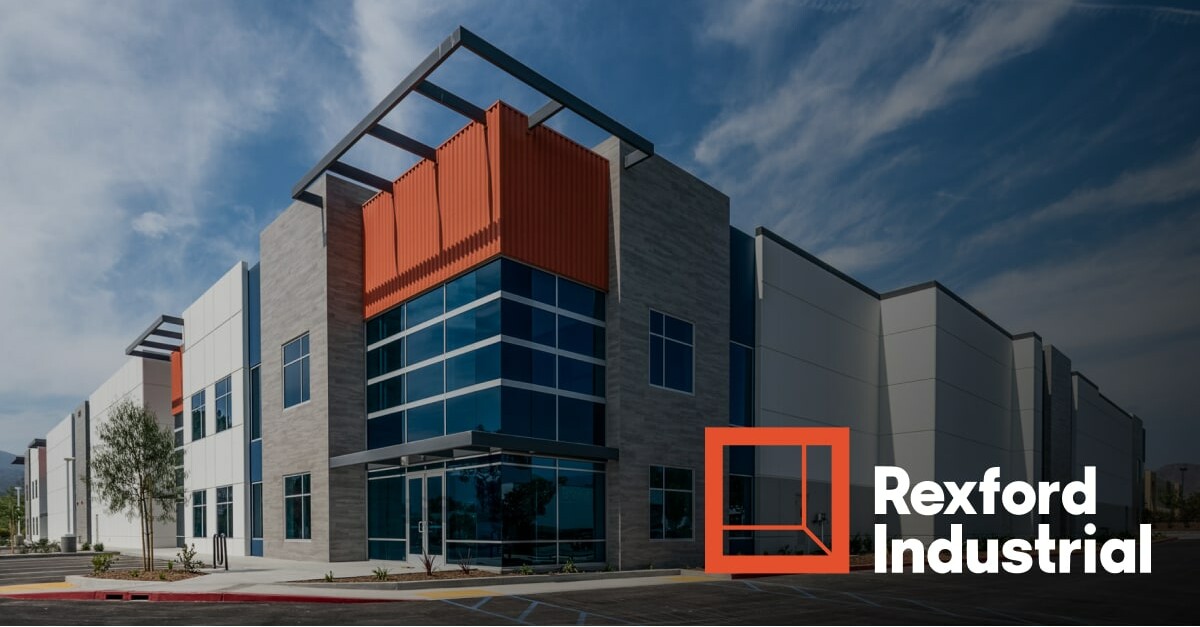
Goldman Sachs is paying up to US$410 million for a property business built around long leases, corporate balance sheets and assets nobody brags about at a barbecue.
If you buy property for yield without checking who has to pay the rent, you are buying risk you have not priced.
That should make investors sit up. Not because every sale-leaseback deal is brilliant. Most aren’t. But because when one of Wall Street’s biggest distribution machines buys its way into a supposedly dull corner of commercial property, it is telling you where it expects durable returns to come from next.
On August 18, Goldman Sachs agreed to acquire LCN Capital Partners, a specialist investment manager in sale-leasebacks, build-to-suit deals and triple-net leases. LCN had roughly US$3 billion in assets under supervision as of June 30, 2026. Goldman will pay about US$260 million upfront, with as much as US$150 million more tied to long-dated performance targets and service commitments. Around 80% of the consideration is payable in Goldman equity.
That is not a punt on a shiny new property trend. It is a bet that companies will keep selling property to free up capital — and that investors will pay for contractual income when the world remains expensive, uncertain and allergic to risk.
Goldman Is Buying an Origination Machine, Not Just US$3 Billion of Property
Here is the important bit: Goldman is not merely buying buildings.
LCN originates, negotiates, invests in and manages corporate property transactions across North America and Europe. In plain English, it helps companies turn bricks and mortar sitting on their balance sheet into cash. The company sells a site — perhaps a factory, warehouse, office, distribution centre or specialist facility — and then leases it back over a long term.
The company gets capital. The investor gets rent. Everyone is happy right up until people forget that the credit quality of the tenant matters more than the paint colour on the warehouse.
That is why this deal matters. A sale-leaseback is part property investment and part corporate lending, dressed in a property suit. If the tenant is strong, the lease is long and the rent is sensible, you own an income stream with some inflation protection and potential residual property value. If the tenant gets into strife, you discover very quickly that a “long lease” is only as good as the company paying it.
Goldman understands that distinction. Its announcement talks openly about the strategy as a combination of corporate credit and real estate. That is the right lens. Investors who assess net-lease property solely by location are looking through the wrong end of the telescope.
LCN was founded in 2011 by Edward V. LaPuma and Bryan York Colwell. Goldman says the firm has raised 10 investment funds, and reports average annual net cash-on-cash returns of 10.8% across its platform since inception for its fully invested flagship funds. Those are manager-reported historical figures, not a promise, and anyone treating them as a forward return is volunteering to learn an expensive lesson.
But the acquisition structure is revealing. Goldman has kept a significant chunk of the purchase price contingent on future performance and service. That is sensible. It says Goldman wants the team, the corporate relationships and the deal pipeline — but wants the people who built it to remain financially invested in making it work.
The US$14 Trillion Clue Most Investors Will Miss
Goldman puts the potential corporate-owned property pool in North America and Europe at roughly US$14 trillion. Only a fraction is transacted each year through net-lease structures.
That number matters less as a prediction than as an explanation for the deal.
Companies have become more serious about capital efficiency. A business may own property because it needed the premises 20 years ago, not because owning warehouses or offices is its highest-return use of capital today. If it can sell that property, retain operational control through a lease, and redeploy the money into inventory, acquisitions, technology, debt repayment or expansion, it has an alternative source of funding.
This is particularly relevant when traditional financing is neither cheap nor painless.
For a corporate executive, a sale-leaseback can be an attractive release valve. For an investor, it can produce a contracted income stream. For Goldman, it creates a lovely little flywheel: corporate relationships bring transactions in; its asset-management network places investment capital; scale lowers the friction; and more scale makes the next deal easier.
That is the real acquisition. LCN brings an origination capability Goldman can feed with its corporate banking relationships and distribute through institutional, insurance, family-office and high-net-worth channels.
It is boring in exactly the way I like businesses to be boring: repeatable, useful and difficult to replicate overnight.
Rexford’s US$1.2 Billion Sale Shows the Market Is Separating Assets Properly
The Goldman deal was not the only useful signal on August 18.
Rexford Industrial Realty agreed to sell a 22-property Southern California industrial portfolio to an affiliate of EQT Real Estate for approximately US$1.2 billion. Rexford estimated the portfolio’s 2027 cash net operating income yield at 5.5%, reflecting expected rent roll-down from above-market in-place leases and expected move-outs.
Read that again. The buyer is not paying for a fairy tale. The disclosed forward yield explicitly reflects income pressure as rents reset.
That is what a healthier property market looks like. Assets are being priced with inconvenient facts included, rather than with a broker’s best mood board and a spreadsheet that assumes every lease renews at a higher rent forever.
Rexford plans to use the proceeds for debt maturing in 2027, possible repurchases under its US$1 billion share-buyback program, and internal repositioning and development projects. In other words: sell assets judged non-core, strengthen the balance sheet, and put capital into opportunities management believes offer better risk-adjusted returns.
Again, not sexy. Very adult.
The two transactions are different, but together they make the point. Capital is not blindly returning to “commercial real estate.” It is being far more selective. It is rewarding specialist platforms, credible income, identifiable risk and managers willing to recycle capital instead of pretending every asset is sacred.
The Contrarian Angle: Don’t Chase the Building — Chase the Contract
The overlooked lesson here is that the best property investment is not necessarily the prettiest asset in the best postcode.
In net-lease and sale-leaseback investing, the contract can be more valuable than the building. Lease duration, annual rent escalators, maintenance obligations, tenant financial strength, property re-leasing prospects and the alternative use of the asset determine whether you own a durable income stream or a future headache.
That is why the term “triple net” needs more scrutiny than applause. Under a typical triple-net structure, the tenant bears expenses such as property taxes, insurance and maintenance. Great — until a weak tenant cannot perform, or the specialised asset has limited alternative users.
A long lease to a weak business is not safety. It is delayed bad news.
Likewise, an apparently modest yield can be attractive if the tenant is financially sound, rent coverage is strong, the asset is essential to operations and the property can be reused if the tenant leaves. A higher yield may simply be the market politely telling you that something is wrong.
That is the bit retail investors regularly get backwards. They chase the percentage because it feels concrete. The percentage is often just a risk label.
Goldman’s move does not make every listed net-lease REIT or private-property syndicate worth buying. Quite the opposite. It makes specialist underwriting more valuable. When capital gets serious, weak deals do not become safer. They become easier to spot.
Why This Could Matter Beyond Property
There is a second-order effect here for business owners.
For years, many operators treated owned property as a badge of success: we own the factory, we own the depot, we own the office. Fine. But ownership is not automatically intelligent. If the property capital is earning a lower return than the operating business could produce, keeping it trapped in real estate can be lazy capital allocation.
That does not mean sell every premises and rent it back. A poorly structured sale-leaseback can shackle a business with inflexible fixed costs, especially through a downturn. You are replacing an owned asset with a long contractual obligation. That deserves the same seriousness as taking on debt.
But for the right company, with the right asset and a clear use for the cash, it can be rational. Goldman buying LCN should mean more sophisticated capital is competing to offer those solutions. That can be good for operators — provided they negotiate like owners, not tenants grateful to be in the room.
What this means for you
If you invest in property, REITs or private deals, use this tomorrow:
1. Stop judging a deal by its yield alone. Ask what is underwriting the rent: tenant earnings, lease term, rent coverage, asset usefulness and the debt stack.
2. Treat net-lease property as credit plus real estate. If you would not lend money to the tenant, do not become excited because the loan is disguised as rent.
3. Look for capital recycling. A manager selling lower-quality or non-core assets to cut debt, buy back undervalued shares or fund higher-return projects may be acting rationally. A manager selling assets just to cover a hole is another story.
4. For business owners, calculate the return on property capital. Compare the after-tax proceeds and lease obligation from a sale-leaseback with the return you can realistically earn by keeping the property — and with the return you could earn by putting that capital back into the business.
5. Respect boring. The wealth-building opportunities are often in the things people ignore because they lack glamour: good contracts, solvent counterparties, sensible leverage and management teams that know when to sell.
Goldman Sachs has not discovered a cheat code. It has bought a platform built for a market where companies need capital and investors need income they can actually model. The lesson is not to copy Goldman.
The lesson is to get more disciplined about what you own, why it pays you, and what has to go right for that payment to keep arriving.