Hornitos’ $24.99 Reset Is Tequila’s Wake-Up Call
The tequila gold rush is over. Hornitos holding the line at $24.99 is a warning to every brand that mistook lockdown-era price rises for customer loyalty.
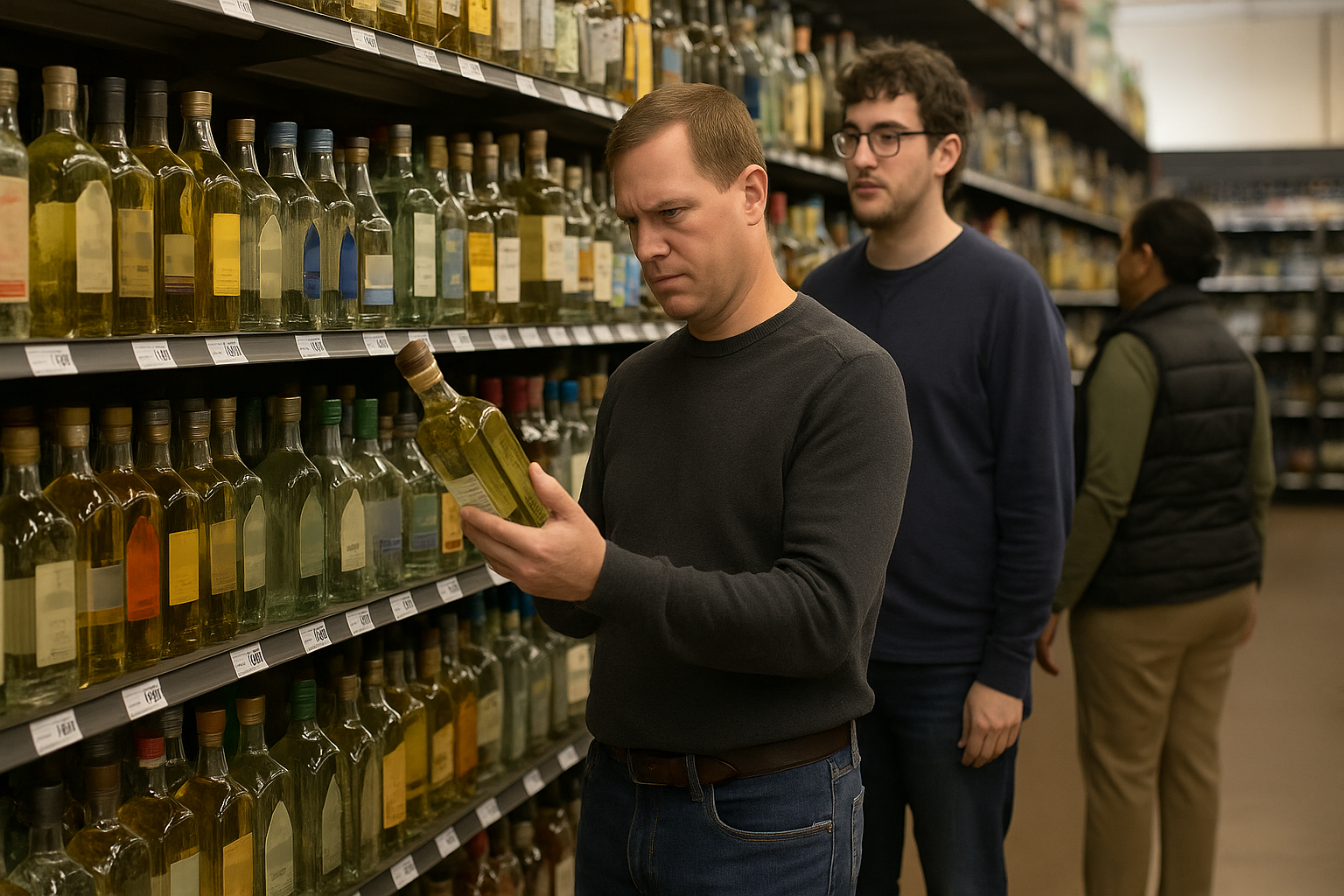
Tequila brands spent years teaching drinkers that a higher price meant better taste. Now they are discovering something awkward: plenty of those drinkers were just being polite.
Suntory Global Spirits has refreshed Hornitos Blanco and Reposado while keeping both at a suggested US retail price of $24.99. That is not merely a product tweak. It is a flare shot over an industry that got drunk on its own premiumisation story. ([forbes.com](https://www.forbes.com/sites/johnkell/2026/09/02/tequila-has-a-pricing-problem-hornitos-thinks-it-has-an-answer/?utm_source=openai))
The easy-money version of tequila is finished. The next winners will not be the brands with the loudest celebrity, fanciest bottle or most desperate claim of “luxury.” They will be the ones that deliver a genuinely better drink at a price normal people can justify buying twice.
Hornitos is selling the thing the market actually wants
For two years, Suntory studied Hornitos and concluded that its core liquid needed work. The company says it adjusted the Blanco to be less citrus-forward, including a 10-day rest in stainless steel after distillation. For Reposado, it is using more mature agave, processing it within 24 hours and extending barrel time to as long as six months.
Fine. Brands tweak liquid all the time. The meaningful bit is that Suntory did not use those improvements as an excuse to stick another ten bucks on the shelf price.
Both expressions remain at $24.99 suggested retail. ([forbes.com](https://www.forbes.com/sites/johnkell/2026/09/02/tequila-has-a-pricing-problem-hornitos-thinks-it-has-an-answer/?utm_source=openai))
That is the whole story in one number.
For too long, tequila has been treated like a vending machine for margin. A celebrity launches one. A contract distillery makes it. A marketing team wraps it in beige minimalism, puts a story about “heritage” on the back label, and suddenly a bottle that should compete at $35 is sitting at $70. Then everyone acts surprised when consumers start trading down, drinking less, or buying something else entirely.
Hornitos is making a more adult bet: quality matters, but so does whether the customer feels ripped off.
That is a very different proposition from saying “we are cheap.” It is saying: we can improve the product without assuming every customer has lost control of their wallet.
The $6.4 billion category has a pricing problem, not a tequila problem
Tequila remains massive in the United States. Forbes put the US tequila market at $6.4 billion, making it second only to vodka in sales. The category has earned that position through real consumer enthusiasm, better education, better bartending and a much broader appreciation for agave spirits. ([forbes.com](https://www.forbes.com/sites/johnkell/2026/09/02/tequila-has-a-pricing-problem-hornitos-thinks-it-has-an-answer/?utm_source=openai))
But a big category can still be badly managed.
The warning signs are plain. In 2025, volume in the higher-priced “high end” tequila-and-mezcal tier fell 4.3%, while the “super premium” tier fell 6.1%, according to figures cited by Forbes from the Distilled Spirits Council of the United States. Lower-priced tequila continued growing. ([forbes.com](https://www.forbes.com/sites/johnkell/2026/09/02/tequila-has-a-pricing-problem-hornitos-thinks-it-has-an-answer/?utm_source=openai))
Read that again: people did not suddenly decide tequila was rubbish. They decided some tequila was no longer worth what brands were asking.
That distinction matters enormously for founders, investors and operators. A slowing category can mean demand has disappeared. Or it can mean the product-market fit has moved. In tequila, the evidence says the second answer is doing a lot of the work.
Brown-Forman’s latest quarter makes the point from another direction. Its tequila sales fell 12%, while its ready-to-drink portfolio rose 20%. The company said drinkers were increasingly gravitating toward convenience and value. ([economia.uol.com.br](https://economia.uol.com.br/noticias/reuters/2026/09/02/fabricante-do-jack-daniels-preve-demanda-fraca-por-bebidas-alcoolicas-durante-o-ano.htm?utm_source=openai))
Again: the consumer has not vanished. The consumer has become more selective.
That is what happens after a boom. The punters get smarter. They compare. They stop confusing a high price with a high standard. And they become far less patient with brands that have been using vibes as a substitute for value.
The celebrity tequila hangover was inevitable
I have no issue with celebrity involvement in business. Famous people can build brilliant companies if they bring distribution, attention and discipline. But fame is not a production method, and it is definitely not a flavour profile.
Tequila’s boom attracted serious producers, genuine innovators and a truckload of opportunists. The opportunists saw a category with cultural heat, a simple social-media story and a consumer willing to pay up. So the playbook became predictable: attach a recognisable face, buy placement, manufacture scarcity and call it premium.
That works right up until it does not.
The market has now given the industry a useful slap in the face. Forbes reported softer sales across major tequila names including Patrón, Jose Cuervo, Casamigos and Don Julio, while Diageo said in August it would adjust pricing and refresh marketing to improve competitiveness. ([forbes.com](https://www.forbes.com/sites/johnkell/2026/09/02/tequila-has-a-pricing-problem-hornitos-thinks-it-has-an-answer/?utm_source=openai))
The lesson is not that famous brands are doomed. The lesson is that attention is rented while repeat purchase is earned.
A consumer may buy a bottle because George Clooney once owned a tequila company. They buy the next bottle because the first one was good, fairly priced and easy to find when mates come around on Saturday.
Those are completely different businesses.
The overlooked angle: $24.99 is an operating decision
Most commentary will frame Hornitos’ move as clever consumer marketing. It is that. But it is also an operational statement.
Holding price while improving liquid means somebody has done the unglamorous work: procurement, agave planning, production timing, packaging discipline, distribution and margin management. It means the business has chosen to compete for velocity rather than simply protect a prettier gross-margin percentage on paper.
That matters because premium spirits businesses are often tempted to treat price as a shortcut. Costs rise? Raise price. Growth slows? Launch a pricier limited edition. Competition heats up? Add gold foil and invent a new tier.
There is nothing wrong with expensive tequila when the quality, provenance and scarcity deserve it. There are extraordinary bottles worth paying for. But a category cannot live only at the top of the shelf. Somebody has to win the regular Friday-night occasion.
That is where Hornitos is aiming: more sophisticated flavour without turning a bottle into a minor financial decision.
While building Agave Finder, I keep coming back to the same point: the customer is not short of brands. They are short of clear reasons to trust one. A better app can help people find bottles. It cannot rescue a brand that charges luxury money for average liquid and a marketing deck.
Premium is not dead. Fake premium is.
Here is the contrarian bit: this reset is not an argument for a race to the bottom.
Cheap tequila made badly is still cheap tequila made badly. Cutting price without improving the product simply trains the customer to wait for a discount. That is not strategy; that is retail panic.
The opportunity is in what I would call credible premium: a product that tastes materially better than its price suggests, has a believable production story and gives the customer an easy answer when someone asks, “Is it any good?”
Hornitos is trying to sit right in that pocket. Its core lineup is made from agave, water and yeast, according to the company’s account to Forbes. The brand has focused on reworking the liquid rather than rebuilding the product around an inflated price point. ([forbes.com](https://www.forbes.com/sites/johnkell/2026/09/02/tequila-has-a-pricing-problem-hornitos-thinks-it-has-an-answer/?utm_source=openai))
That is a stronger proposition than a bottle that needs a brand ambassador to explain why it costs $90.
For investors, this is where the real sorting begins. The premiumisation boom made almost every tequila slide deck look clever. The reset will reveal who has supply discipline, repeatable consumer demand, sane channel economics and enough humility to listen when the market says “not at that price.”
What this means for you
If you run a consumer brand, take this personally: your price is part of your product. It is not an afterthought added by finance after marketing has finished making pretty pictures.
Do three things this week.
First, ask customers what they would buy again at full price, not what they say they admire. Those are radically different questions. Plenty of people admire luxury brands they never actually purchase.
Second, test your value equation honestly. If you raised prices in the past two years, can you name the specific improvement the customer received? Better ingredients? Better service? Better reliability? Or did you just discover that a hot market lets you get away with more?
Third, protect the middle. Every category needs an accessible product that creates repeat behaviour. The customer who happily buys your $25 or $35 offering today is far more likely to trust you with your $75 offering later. Skip that relationship and you are building a brand on borrowed enthusiasm.
Hornitos’ $24.99 move will not save tequila on its own. But it gets the diagnosis right. Consumers still want agave. They just do not want to be treated like fools for wanting it.
That is not a tequila lesson. That is business.