Jayden Daniels’ LSU No. 5 Fight Risks a Heisman Brand
Sending a cease-and-desist over a No. 5 jersey is how you turn a Heisman-winning brand into a public-relations liability for the price of one stubborn phone call.
Sending a cease-and-desist over a No. 5 jersey is how you turn a Heisman-winning brand into a public-relations liability for the price of one stubborn phone call.
Jayden Daniels may have a legitimate argument about LSU using his name, image and likeness after its contractual rights expired. But attaching that argument to sophomore cornerback DJ Pickett wearing No. 5 is a brutal bit of brand management. It makes a former Heisman Trophy winner look as though he is trying to own a number he does not own.
That is not how you protect an asset. It is how you make people resent it.
The No. 5 dispute is really a NIL ownership dispute
An attorney for Daniels sent LSU athletics director Verge Ausberry a letter dated August 5 telling the school to stop using Daniels’ NIL. ESPN reported that the letter says LSU’s contract allowed use of Daniels’ NIL for only 180 days after his final college game, and that any continued use should stop immediately.
That is the commercial issue. If LSU is still selling Jayden Daniels-branded merchandise, using his image in promotions or monetising his name without an active agreement, Daniels is right to ask a very simple question: where is my cheque?
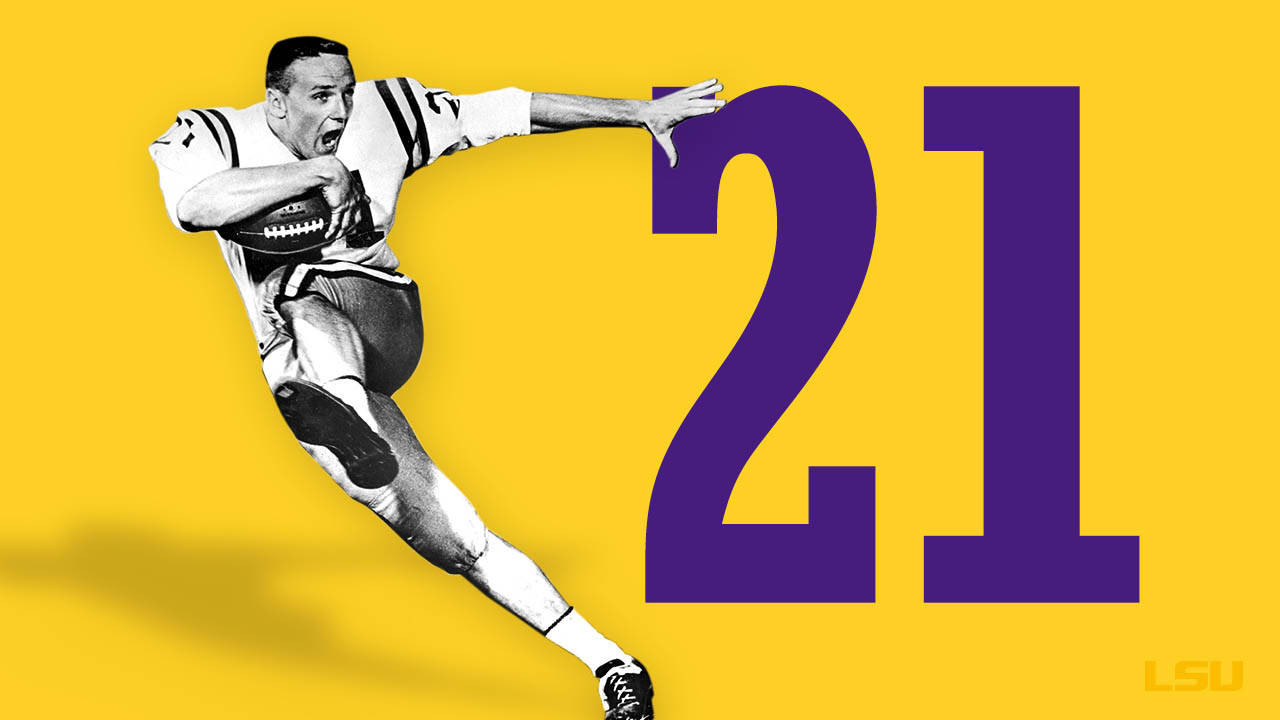
The trigger, however, was LSU allowing Pickett to wear the No. 5 jersey Daniels wore during his 2023 Heisman season. Pickett had worn No. 3 in 2025, but entered preseason practice in No. 5 after new coach Lane Kiffin honoured what he said was a recruiting promise made to the player.
Kiffin’s position is not complicated. Pickett was promised a number to sign with LSU. Pickett is now a serious player in his own right: ESPN reported he was a freshman All-American in 2025 after recording 37 tackles, three interceptions and a sack. A coach who breaks a direct recruitment promise because an alumnus is unhappy sends a dangerous message to every player and agent watching.
Daniels’ camp sees it differently. He was LSU’s third Heisman winner, threw for 3,812 yards and 40 touchdowns in 2023, added 1,134 rushing yards and 10 rushing scores, and was the No. 2 pick in the 2024 NFL draft. His spokesman said the Daniels family felt “profoundly disrespected” by LSU’s decision.
Fair enough. Emotion is allowed. But business decisions should not be made while emotion is driving the car.
LSU has created the sort of NIL machine that makes this inevitable
This is not an argument about an old-fashioned college program deciding whether to honour a former player. LSU is one of the schools that has leaned hard into the commercial reality of modern college sport.
Its own athletics department describes NIL as central to its strategy. LSU launched the Nike Blue Ribbon Elite NIL program from Baton Rouge, has built NILSU infrastructure around athlete partnerships and in 2026 announced a jersey-patch partnership with Woodside Energy. The university is not pretending amateur sport lives in a glass cabinet any more. It is building a media, merchandise and sponsorship business around athletes.
Good. That is honest.
But once a school turns athletes into commercial partners, it needs to run its rights management like a proper business. Not like a group of blokes hoping nobody notices an expired deal buried in a filing cabinet.
There are two assets here, and LSU would be mad to confuse them:
1. Jayden Daniels’ NIL: his name, face, identity and commercial endorsement value. 2. LSU football’s No. 5 jersey: a program-owned uniform number with meaning created by many people over decades.
Daniels has a strong interest in the first. LSU has a strong interest in the second. DJ Pickett has an interest in being treated as the player LSU recruited, not as a prop in someone else’s legacy dispute.
The mistake is pretending those interests are identical.
A number is not a monopoly — and LSU’s policy makes that plain
LSU has retired jerseys for some former players, but its policy is not a blanket rule that retired numbers can never be worn again. Under the school’s post-2007 policy, retiring a jersey does not prevent a current athlete from wearing that number; the decision sits with the head coach. The exceptions are older permanently retired numbers, including Billy Cannon’s No. 20 in football.
Daniels’ No. 5 is not retired.
That matters because the public story is not, “Former player seeks payment for unauthorised commercial use of his NIL.” The public story is, “Jayden Daniels is furious another kid has his old number.” One of those stories sounds like a professional defending contractual rights. The other sounds petty, even if the underlying complaint is more nuanced.
And the comparison to Joe Burrow does not rescue it. Daniels reportedly believes LSU has treated him differently because Burrow’s No. 9 has not been worn since his 2019 Heisman season and national title run. But a precedent of voluntary respect is not the same thing as a contractual entitlement.
That is a lesson founders learn the hard way. You can have a valuable contribution, a loyal customer base and a brilliant history with a company. Unless you negotiated the rights clearly, you do not get to invent them later because somebody else received a nicer farewell gift.
The overlooked issue: LSU may have a much bigger problem than No. 5
The No. 5 debate is noisy, emotional and made for social media. The actual commercial question is much more important: what precisely has LSU continued to sell, publish or promote using Daniels’ NIL after the 180-day period described in his lawyer’s letter?
If the answer is nothing material, LSU can state that cleanly, remove anything that slipped through the cracks and let this die. If the answer is that it has continued selling branded jerseys, memorabilia or promotional content built around Daniels without current rights, the school should sort it quickly and commercially.
Not because a cease-and-desist letter is magic. It is not. It is a demand, not a court judgment. But because the cost of untidy rights management rises fast when your athletes are now real commercial entities with agents, lawyers, sponsors and enormous public audiences.
Every university that built an NIL department to sign deals needs a parallel department that tracks the end of them. Rights expiry dates are not admin trivia. They are liabilities with a calendar reminder attached.
This is particularly true for schools that sell nostalgia. A player’s college career becomes content forever: highlight videos, ticket packages, social clips, merchandise, facility displays, documentaries and sponsor campaigns. The more successful the athlete, the more tempting it is to keep using the material.
But “we have always used it” is not a licence.
Daniels risks damaging the thing he is trying to protect
A personal brand is not just what you legally control. It is what people feel when they hear your name.
Daniels was already an enormous LSU figure before this week: a Heisman winner, a top-two NFL draft pick and the face of one of the sport’s most valuable talent pipelines. He does not need LSU to remind people he was great. The university, its fans and its future players have every financial incentive to celebrate him.
That is why the public fight is such poor value.
If his aim is compensation for ongoing commercial use, then negotiate hard behind closed doors. Ask for a clean inventory of every Daniels-related product and promotion. Set a new licensing agreement. Decide whether he wants a royalty, a fixed fee, a revenue share, approval rights or a hard stop on certain uses. Put it in writing. Move on.
If his aim is to preserve the symbolism of No. 5, then ask LSU for a defined honour: a stadium recognition event, a permanent display, a legacy collection, a scholarship program or even a formal policy on numbers associated with Heisman winners. Those are things supporters can understand.
What he should not do is let a contractual rights fight become a public dispute with a 19- or 20-year-old player who was promised a jersey number during recruitment. That is an appalling trade: tiny tactical upside, massive reputational downside.
The contrarian view: Kiffin may be protecting LSU’s real asset
Lane Kiffin has been criticised in the middle of this because he let Pickett wear No. 5. I think he may be the adult in the room.
Kiffin says the number was promised during recruitment. If that is true, he had two choices: honour a commitment to a current player, or tell that player a promise made by LSU does not matter because a famous former player objects.
Recruiting is not merely recruiting now. It is talent acquisition in a competitive market where every promise is compared, screenshotted and repeated to an agent. A coach’s credibility is an operating asset.
You do not protect a football program’s future by showing recruits that verbal commitments evaporate when sentiment gets loud. You protect it by doing what you said you would do, while handling alumni and legends with respect in a separate lane.
That is what serious operators do. They do not solve one relationship problem by creating another.
What this means for you
Whether you run a startup, employ talent, invest in brands or simply want to make better decisions, this is the useful bit:
Separate the emotional trigger from the commercial claim. Daniels may have a valid NIL rights issue. Pickett’s jersey number is a separate question. When you bundle them together, you make the strongest part of your case harder to hear.
Write down who owns what — and when it ends. Brand rights, founder likeness, customer data, content libraries and sponsorship assets all need clear ownership and expiry dates. “We assumed” is expensive language.
Do not win a legal point by losing the room. Before firing off a letter, ask: if this becomes tomorrow’s headline, do I look principled or precious? The answer changes the tactic.
Keep promises to current talent. Kiffin’s obligation to Pickett, if the promise was made, is not less real because a star alumnus is unhappy. Your team watches how you handle commitments when pressure arrives.
And finally: protect your brand, absolutely. But do it with enough discipline that people still want to buy from you, work for you and cheer for you when the lawyers have gone home.
That is the whole game.