Kevin Warsh’s 3.7% Inflation Problem Could Hammer Your Mortgage
The Fed has missed its 2% inflation target for 65 months. If you think that only matters to traders in Wyoming, your mortgage and cash savings are about to teach you otherwise.
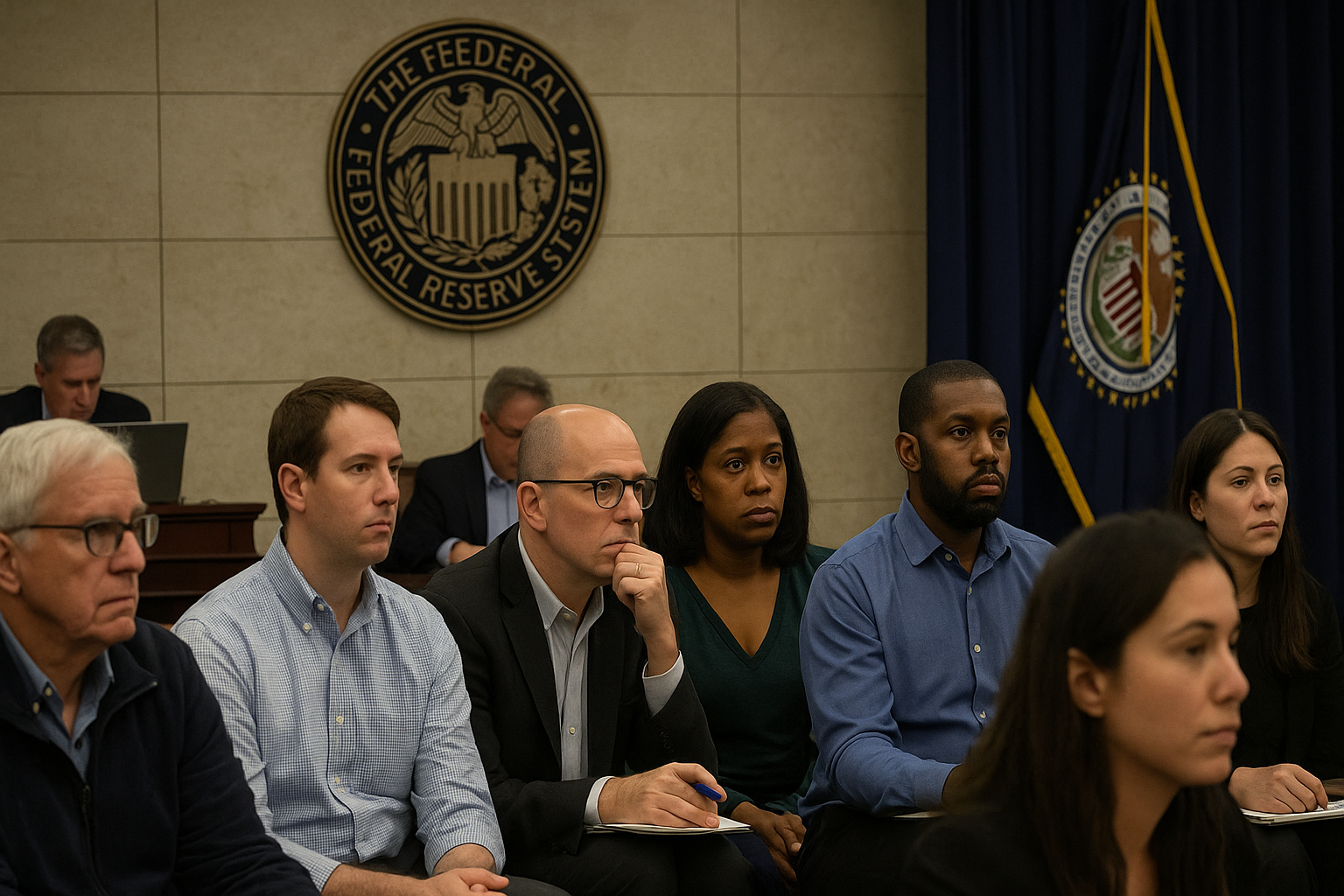
The Fed has missed its 2% inflation target for 65 straight months. Anyone telling you that makes today’s Kevin Warsh speech at Jackson Hole just another bit of Wall Street theatre is either asleep at the wheel or selling something.
Inflation was running at a 3.7% annualised pace in July, nearly double the Federal Reserve’s stated target. Auto prices rose at roughly a 5% annualised rate, housing and utilities climbed at more than 3.5%, and recreational goods posted double-digit price growth. Meanwhile, the Fed held its policy rate in the 3.50% to 3.75% range in late July — but three policymakers wanted a rate rise. ([investing.com](https://www.investing.com/news/economy-news/feds-warsh-faces-challenge-whether-inflation-is-a-problem-or-not-4878912?utm_source=openai))
That is the actual story facing ordinary investors, savers and homeowners: not whether a bloke in Wyoming says the word “hawkish” enough times, but whether the era of pretending interest rates are about to fall has finally run into reality.
Kevin Warsh has one job: make the Fed believable again
Federal Reserve Chair Kevin Warsh speaks at 10 a.m. Eastern Time on Friday, August 28, at the Kansas City Fed’s Jackson Hole symposium. It is his first major Jackson Hole address as chair, and markets are waiting for a clearer explanation of how he plans to deal with inflation, high Treasury yields and a policy message that has been, frankly, a bit foggy. ([axios.com](https://www.axios.com/2026/08/27/warsh-guidance-jackson-hole?utm_source=openai))
The Fed does not set mortgage rates directly. That distinction matters. But it influences the entire cost of money: short-term borrowing, savings yields, business lending, bond prices, property valuations and the appetite investors have for expensive growth stocks.
When the Fed looks uncertain while inflation is running above target, bond investors do not politely wait for a committee meeting. They demand more return for lending money over long periods. That pushes Treasury yields up. Lenders then reprice mortgages, car loans, business finance and plenty else.
This is why the bond market has become the adult in the room.
A government can talk about growth. A central bank can use carefully polished language. But a bond investor buying a 10-year Treasury is making a very simple calculation: “Will inflation chew up my return, and will I be paid enough for the risk?” If the answer is no, yields rise.
Reuters reported that longer-term Treasury yields remain well above where they began the year, reflecting doubts about the Fed’s ability to get inflation under control. ([investing.com](https://www.investing.com/news/economy-news/morning-bid-warsh-heads-into-jackson-hole-hot-seat-4880488?utm_source=openai))
That is not an abstract macroeconomic debate. It is the price of your next loan.
The comfortable belief getting people into trouble
The lazy consensus is this: inflation will settle down, rates will eventually fall, and therefore it is sensible to stretch a bit now for the house, car, business acquisition or speculative share portfolio you want.
No. That is not a plan. That is a prayer wearing a spreadsheet.
There are two ways this goes from here.
Warsh can give markets a credible message that the Fed is prepared to do what it takes to return inflation to target. That may cause short-term discomfort — because markets dislike tighter money — but credibility can eventually reduce the inflation premium baked into long-term rates.
Or he can dodge, speak in generalities and leave investors to conclude that the Fed is reluctant to tighten despite sticky inflation. In that case, the market can do the tightening for him through higher long-term yields.
Neither outcome is especially friendly to people who borrowed too much because they assumed rates had nowhere to go but down.
After July’s inflation data, investors briefly pushed the perceived odds of a September rate increase above 40%. The next policy meeting is September 15-16. That does not mean a rate rise is locked in. It means the market has stopped treating one as unthinkable. ([investing.com](https://www.investing.com/news/economy-news/feds-warsh-faces-challenge-whether-inflation-is-a-problem-or-not-4878912?utm_source=openai))
That is a massive shift in behaviour from the crowd that has spent years reflexively buying every dip on the assumption that central banks will always come riding in with cheaper money.
Why homeowners should care more than stock traders
If you already have a long-dated fixed mortgage, breathe. Your monthly repayment does not jump because Warsh gives a speech.
But if you are on a variable rate, due to refinance, shopping for your first home, carrying expensive credit-card debt, or funding a business with floating-rate loans, the direction of rates is not a CNBC ticker. It is your household budget.
The biggest mistake I see people make is treating borrowing capacity as affordability.
A bank may approve you for a number. That does not mean the number is intelligent. Banks are paid to lend; you are the one who has to live with the repayments when the market decides inflation is not dead after all.
If you are buying property, run the numbers at a rate at least 1.5 to 2 percentage points above today’s quote. If that makes the deal ugly, the deal was already ugly. You just had not done the maths yet.
For business owners, do the same thing with debt service. Calculate what a one-point increase does to annual interest expense. Then calculate two points. If that scenario wipes out your margin, you do not have a robust business. You have a leveraged bet on someone else’s monetary policy.
I have made enough expensive mistakes in business to know this: a good asset can still ruin you if you pay for it with fragile financing.
The overlooked angle: higher rates are not bad for everyone
Here is the contrarian bit. Higher rates are not automatically bad news for wealth builders.
They are bad for people who are overextended, have weak cash flow and need cheap money to make their story work. That is a different group from disciplined savers and investors.
If you have cash, a sensible emergency fund and patience, higher rates can be useful. You can earn a real return on safer assets again. You can wait for better opportunities. You can negotiate harder when sellers and overconfident founders discover that capital is no longer free.
The investing world became addicted to one-way bets: property always rises, tech multiples always expand, private assets are always worth the last marked-up valuation, and cheap debt can always be refinanced.
That nonsense worked while money was practically free. It does not survive forever.
The point is not to sell every share and hide in a bunker. Inflation at 3.7% is not a command to abandon productive assets. Over long periods, owning good businesses remains one of the best ways to protect purchasing power.
But valuations matter. Cash flow matters. Debt matters. The quality of the business matters. A company priced for perfection is far more vulnerable when the discount rate rises than a boring, profitable operator selling something people need.
That is why I would be far more interested in balance-sheet strength than forecasts built on heroic assumptions. A business that can fund itself, pass on some costs and produce cash is worth more in a higher-rate world than one living off its next capital raise.
The Treasury problem is bigger than one Fed speech
There is another layer here that retail investors should not ignore. The market is not only worrying about the Fed’s policy rate. It is also worried about the supply of long-dated government debt and who will own it.
The Treasury recently moved to increase repurchases of older long-dated bonds, a step that helped calm a sharp Treasury selloff but also sparked worries about the dollar and the government’s approach to containing borrowing costs. ([marketscreener.com](https://www.marketscreener.com/news/dollar-flat-after-data-as-focus-shifts-to-jackson-hole-ce7858dede8af723?utm_source=openai))
That may sound like inside-baseball rubbish. It is not.
When governments run big deficits and issue mountains of debt, they compete with households and businesses for capital. If investors demand higher yields to absorb that debt, everything else gets repriced around it.
Your mortgage competes with Treasury yields. Your business loan competes with Treasury yields. The valuation of the growth shares in your superannuation or 401(k) competes with Treasury yields.
The market does not care about political talking points. It cares whether the numbers add up.
What this means for you
Do not try to trade Kevin Warsh’s speech. That is how amateurs donate money to professionals.
Instead, use today as a prompt to do five boring things that can make you materially richer over the next decade:
1. Stress-test your debt. Work out what happens if borrowing costs rise by 1% and 2%. Do it for your mortgage, car loan, business debt and credit cards. If the answer is ugly, reduce the exposure before the market forces you to.
2. Stop treating cash as dead money. Keep your emergency fund in an account or short-duration vehicle that actually pays you. Cash is not exciting. Neither is being forced to sell shares after a bad month because you had no buffer.
3. Match your investments to your time horizon. Money needed within three years should not be gambling on the next tech rally. Near-term money needs certainty; long-term money can tolerate volatility.
4. Own assets, not stories. Favour businesses with real cash flow, manageable debt and customers who will still pay when money is tight. Be sceptical of anything requiring permanently cheap capital to exist.
5. Do not overpay for a house because you expect rescue. Buy a home you can service under tougher conditions, not one that only works if the Fed cuts rates on schedule and life remains perfectly tidy.
Warsh may calm markets today. He may not. Either way, the useful lesson is the same: build a financial life that does not need a central banker to save it.
That is wealth. Not predicting the next speech. Not refreshing bond yields every six minutes. Having enough margin that you can make good decisions when everyone else is panicking.