Kimberly-Clark’s $48.7B Kenvue Acquisition Is a $2.1B Synergy Test
The most dangerous number in corporate finance is $2.1 billion in “synergies.” It is how a $48.7 billion acquisition starts looking sensible before anyone has done the hard work.
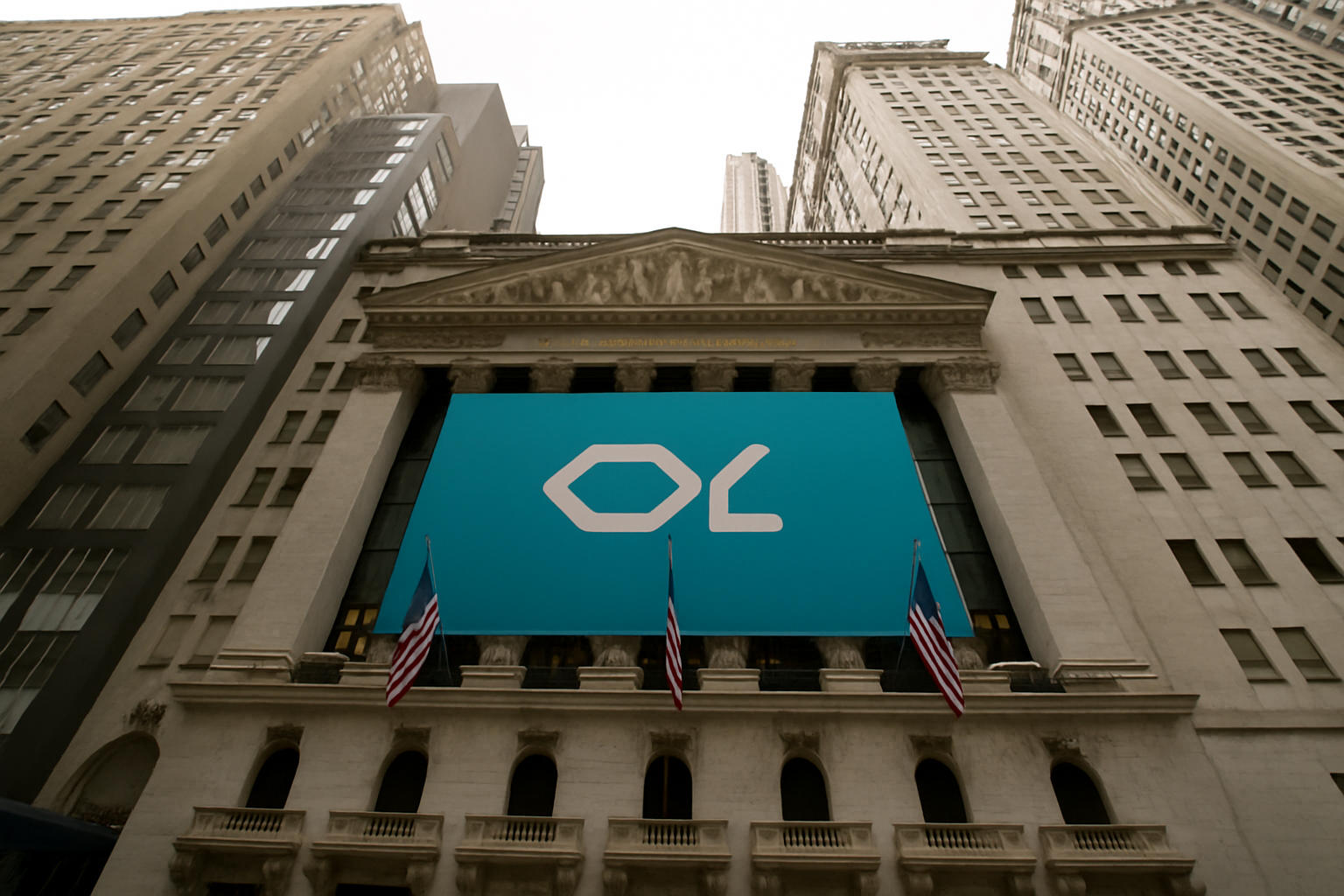
The most dangerous number in corporate finance is $2.1 billion in “synergies.” It is how a $48.7 billion deal starts looking sensible before anyone has done the hard work.
Kimberly-Clark has now sought European Union approval for its takeover of Kenvue, the owner of Tylenol, Band-Aid, Listerine, Neutrogena and Aveeno. The deal was announced in November 2025, and its latest regulatory step tells you this one is moving from PowerPoint optimism toward the bit where the real risks start charging rent. ([aol.com](https://www.aol.com/articles/kimberly-clark-seeks-eu-approval-075419000.html))
The $48.7 billion bet is not really about Tylenol
Let’s get the numbers straight, because big deals are often deliberately made fuzzy.
Kimberly-Clark’s proposed purchase values Kenvue at roughly $48.7 billion including debt. The equity consideration was about $40 billion when announced. Kenvue holders are set to receive $3.50 in cash plus 0.14625 Kimberly-Clark shares for each Kenvue share. Kimberly-Clark expects to issue approximately 280 million shares and pay roughly $6.7 billion in cash, funded with cash on hand, new debt and proceeds connected to its International Family Care and Professional transaction with Suzano. ([investor.kimberly-clark.com](https://www.investor.kimberly-clark.com/news-releases/news-release-details/kimberly-clark-acquire-kenvue-creating-32-billion-global-health))
That is not Kimberly-Clark buying a headache tablet business. It is a mature consumer-products company trying to buy a better future.
Kimberly-Clark owns brands people buy because life is messy: Huggies, Kleenex, Cottonelle, Kotex. Kenvue owns brands people buy because life hurts, leaks, ages, itches or needs cleaning up: Tylenol, Band-Aid, Listerine, Neutrogena, Aveeno and more. The combined company is expected to generate roughly $32 billion in annual revenue and hold 10 billion-dollar brands. ([investor.kimberly-clark.com](https://www.investor.kimberly-clark.com/news-releases/news-release-details/kimberly-clark-acquire-kenvue-creating-32-billion-global-health))
That portfolio logic is easy to understand. Both businesses sell everyday products with giant distribution footprints, familiar brands and repeat purchase behaviour. You do not need to explain Band-Aid to a shopper. That matters. The best brands reduce the cost of earning trust every single day.
But the price only works if Kimberly-Clark turns the combination into a machine that is materially better than the two companies operating separately. That is where the $2.1 billion comes in.
$2.1 billion is the answer — now show me the working
Kimberly-Clark has forecast $2.1 billion of annual run-rate synergies, net of reinvestment. It said the deal valued Kenvue at around 14.3 times its last-12-month adjusted EBITDA, or 8.8 times once those expected synergies are included. ([investor.kimberly-clark.com](https://www.investor.kimberly-clark.com/news-releases/news-release-details/kimberly-clark-acquire-kenvue-creating-32-billion-global-health))
Read that second number again: 8.8 times including savings that have not yet been earned.
This is not a criticism unique to Kimberly-Clark. It is the oldest trick in M&A. You announce a rich price, then explain that the price becomes disciplined after you add future savings, better procurement, fewer duplicated back-office functions, tighter media spending, more efficient factories and the occasional revenue miracle.
Sometimes that is exactly right. Large consumer companies can squeeze genuine value from scale. Combining procurement alone can matter when you buy enough pulp, packaging, chemicals, advertising and shelf space. Shared sales teams can matter. Global distribution can matter. Better allocation of marketing dollars can matter.
But “can” is doing heroic work there.
Synergies are not cash sitting in a drawer waiting to be collected. They are a management project. They require decisions about which systems survive, which plants stay open, which senior people leave, which brands get investment and which sacred cows finally get put down. Every delayed decision pushes the payback further away.
Kimberly-Clark says the transaction should be accretive to adjusted earnings per share by year two. Fine. But operators should treat every merger model this way: revenue synergies are dessert; cost synergies are dinner; integration costs are the bill nobody wants to read. ([investor.kimberly-clark.com](https://www.investor.kimberly-clark.com/news-releases/news-release-details/kimberly-clark-acquire-kenvue-creating-32-billion-global-health))
The regulatory filing matters because the easy part is over
On August 28, Kimberly-Clark sought European Commission approval for the proposed takeover. The companies previously expected to close in the second half of 2026. U.S. shareholders approved the transaction in January, and the Hart-Scott-Rodino waiting period expired on February 4; foreign regulatory approvals remain among the outstanding closing conditions. ([aol.com](https://www.aol.com/articles/kimberly-clark-seeks-eu-approval-075419000.html))
This is the boring middle of a deal. It is also where many executives get complacent.
The press release is exciting. The closing dinner is exciting. The following 24 months of integration meetings, IT migrations, manufacturing decisions, channel negotiations and talent retention are about as glamorous as replacing a sewer line. Yet that is where the return gets made or wrecked.
There is also a real commercial wrinkle. Kenvue is not merely a bundle of attractive consumer brands. Its marquee product, Tylenol, has faced lawsuits, weak demand and political attacks, including claims linking the drug to autism. Reuters Breakingviews described Kimberly-Clark’s deal as an opportunistic bet that those claims will continue to be found baseless. ([breakingviews.com](https://www.breakingviews.com/columns/breaking-view/40-bln-deal-tylenol-trusts-ma-science-2025-11-03/))
That creates an uncomfortable but important point: Kimberly-Clark may be buying quality brands at a moment when uncertainty has made the seller more attainable. That can be sharp capital allocation. It can also be a very expensive way to discover that reputational risk does not disappear because your spreadsheet calls it “temporary.”
The overlooked angle: Kimberly-Clark is changing its own identity
Most commentary will ask whether Tylenol is worth the risk. Fair question. I think the more useful one is this: what does Kimberly-Clark become after the deal?
The company is shifting from being mainly a paper-and-personal-care operator into a much larger health-and-wellness platform. That changes the kind of business it is running.
Consumer health can offer powerful brands and recurring demand, but it also lives closer to science, regulation, product claims and litigation than toilet paper does. A bad quarter in tissues is annoying. A sustained controversy around a household medicine can become a board-level problem with legal, regulatory and political tentacles.
Kimberly-Clark is not blind to this. Its own filing says the value of the stock component will fluctuate with its share price, and that the transaction remains subject to conditions including foreign regulatory approvals. It also discloses a termination fee of $1.1 billion under certain circumstances. ([sec.gov](https://www.sec.gov/Archives/edgar/data/0000055785/000120677426000152/kmb4554211-ars.pdf))
That $1.1 billion is a reminder that this is serious, but it is not the real cost of failure. The real cost of failure would be years of distracted leadership, weak execution in the legacy business, lost talent, excess debt and a portfolio so broad that nobody is properly accountable for growth.
Here is my contrarian view: the deal may prove wiser than the market expects precisely because it is not chasing some shiny new technology. It is buying brands that already live in millions of cupboards and bathroom cabinets. That is a better starting point than paying 30 times revenue for software with a nice demo and no durable customer behaviour.
But boring assets do not make boring integration. In fact, they can make it worse. Everyone thinks they understand consumer products, which is why too many people imagine the savings will arrive by themselves.
They will not.
What this means for you
You do not need $48.7 billion or a Wall Street army to use the lesson here.
First, whenever someone presents a growth plan, separate facts, assumptions and work. Revenue today is a fact. A signed customer contract is close to a fact. “Cross-selling opportunities” are an assumption. “We will merge three systems and cut 15% of overhead” is work. Stop letting people present all three in the same confident tone.
Second, price acquisitions from the stand-alone business first. If the deal only looks attractive after heroic synergies, you are not buying a bargain — you are pre-paying yourself for flawless execution. I have seen plenty of owners get seduced by the story of what a business could become inside their business. That story is usually more expensive than the asset itself.
Third, make integration someone’s full-time job. Not the CEO’s fifth priority. Not an external consultant’s colour-coded spreadsheet. Name an operator with authority, give them a weekly scoreboard, and track a short list of brutal metrics: customer retention, key-person retention, systems migration, gross margin, working capital and realised savings. Not “identified savings.” Realised savings.
Finally, remember what Kimberly-Clark is really trying to buy: trust at scale. Kenvue’s brands have earned a place in people’s homes over decades. If you run a smaller company, your equivalent may be a trusted niche, an audience that listens, a reputation for speed, or customers who cannot imagine switching.
Build that before you chase size. Scale amplifies what is already there. It does not fix a business with no edge.
Kimberly-Clark has put $48.7 billion on the table to prove it can turn household familiarity into a stronger, more profitable machine. The EU filing is one more box ticked. The harder test starts after the ink is dry: whether management can convert a very expensive promise into cash without breaking the brands people came for in the first place.