Kingdom Holding’s SAR840M Al-Hilal Deal: What Investors Should Learn
SAR840 million bought control of Al-Hilal after PIF spent three years building it. Call it football vanity and you miss the lesson on valuation, partial exits and discipline.
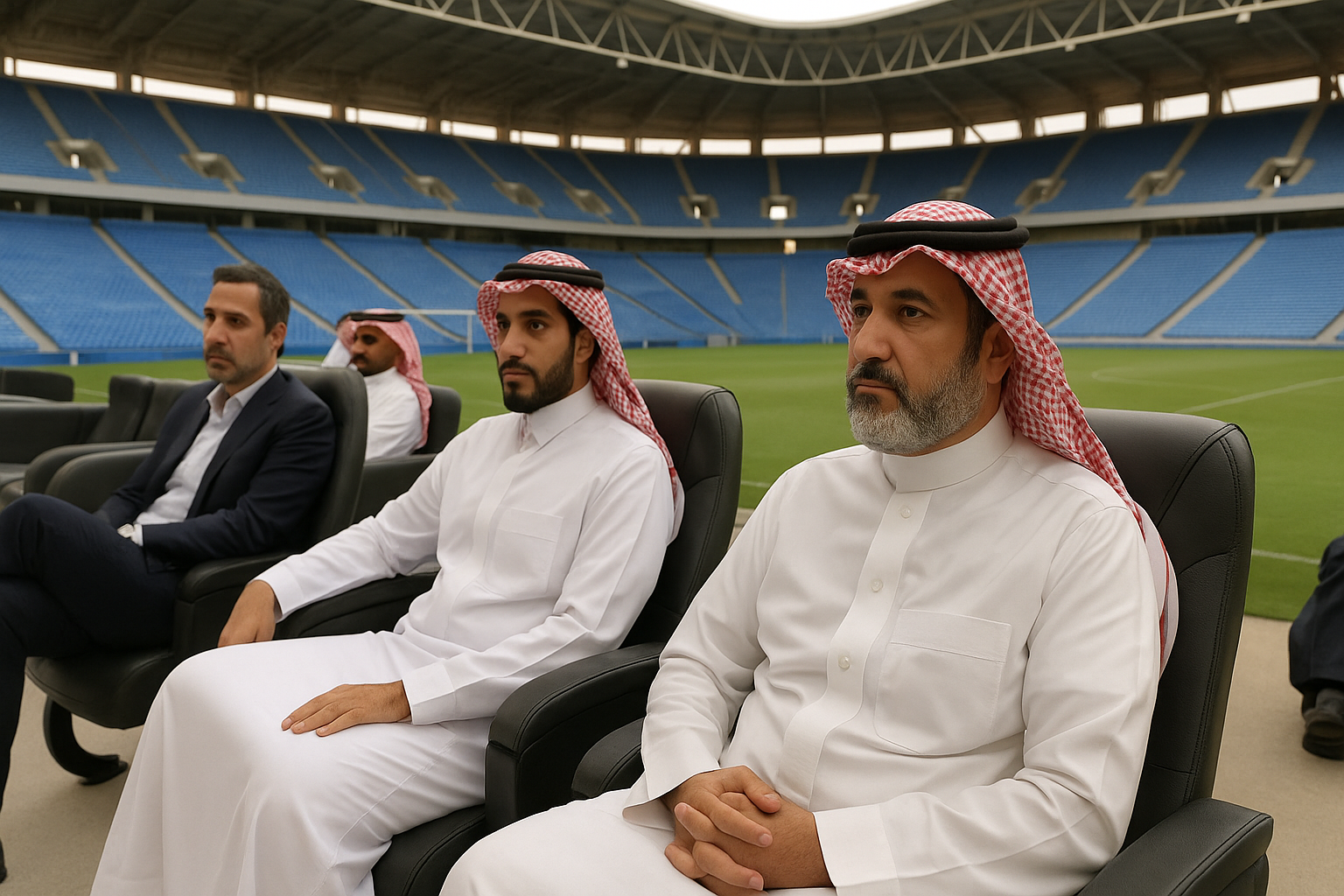
SAR840 million bought control of Al-Hilal after PIF spent three years building it. Calling that football vanity means you are missing the actual business lesson.
For founders and investors, this is a deal about what a business is actually worth, when to sell control and why the boring operating work matters more than the announcement.
On September 1, Kingdom Holding Company completed its purchase of 70% of Al-Hilal Club Company from Saudi Arabia’s Public Investment Fund. PIF kept 30%. That is not a clean exit, and it is definitely not a billionaire buying himself a nicer seat at the match. It is a controlled handover designed to find out whether Saudi football can operate like a real commercial asset once the state stops carrying all the bags. ([saudiexchange.sa](https://www.saudiexchange.sa/wps/portal/saudiexchange/newsandreports/issuer-news/issuer-announcements/issuer-announcements-details/?anCat=1&anId=97949&cs=4280&locale=en&utm_source=openai))
The deal is SAR840 million — but the structure matters more
Kingdom Holding, chaired by Prince Alwaleed bin Talal, paid the full SAR840 million for its 70% stake after the required approvals, no-objection statements and internal conditions were met. The disclosed equity valuation was SAR1.2 billion, while the original April agreement put Al-Hilal’s enterprise value at SAR1.4 billion. ([saudiexchange.sa](https://www.saudiexchange.sa/wps/portal/saudiexchange/newsandreports/issuer-news/issuer-announcements/issuer-announcements-details/?anCat=1&anId=97949&cs=4280&locale=en&utm_source=openai))
That distinction is not accountant trivia. It is where plenty of otherwise smart people get mugged by deal headlines.
Enterprise value is the price attached to the operating business before you sort through its capital structure. Equity value is what belongs to shareholders after that structure is taken into account. Kingdom Holding bought 70% of the equity for SAR840 million. It did not write a cheque for 70% of the SAR1.4 billion enterprise value.
If you run a business, remember this when somebody tells you their company is “worth” a big number. Ask one question: worth what, exactly? The business, the shares, or the founder’s imagination?
The bigger point is that PIF is not disappearing. It remains a 30% owner after having been Al-Hilal’s major shareholder since July 2023. PIF says its involvement improved governance, operating performance, infrastructure and commercial returns through sponsorships, merchandise and matchday revenue. Kingdom Holding now has control, while PIF retains a meaningful financial interest in what comes next. ([pif.gov.sa](https://www.pif.gov.sa/en/news-and-insights/press-releases/2026/pif-and-kingdom-holding-company-khc-sign-agreement-for-khc-to-acquire-70-of-al-hilal-club-company/?utm_source=openai))
That is a far more sensible structure than a theatrical all-or-nothing exit. PIF has converted part of its investment into cash, handed operational control to a new majority owner, and kept upside if the club becomes more valuable.
PIF is selling a finished product — or at least a more investable one
The easy take is that Saudi Arabia has spent heavily on football and is now trying to make the numbers look respectable. There is some truth in that. But the more useful reading is this: PIF has been doing the hard, ugly early work required to turn a historically state-backed sporting institution into something an investor can underwrite.
That work is not glamorous. It is governance. Contracts. Commercial systems. Facilities. Ticketing. Sponsorship inventory. Merchandising. Decision rights. A professional operating framework. The boring stuff that makes a business capable of surviving after the promotional fireworks stop.
PIF’s stated rationale is to maximise returns and recycle capital inside the Saudi economy. Kingdom Holding’s stated rationale is to diversify into high-growth sectors, lift commercial performance, build international partnerships and develop world-class sports infrastructure. Fine. Every deal comes with a press release full of heroic verbs.
But this one has a harder commercial fact behind it: a sophisticated buyer paid real money for a controlling stake, and the seller did not have to walk away completely. That is better evidence of progress than any speech about “transformational journeys.” ([pif.gov.sa](https://www.pif.gov.sa/en/news-and-insights/press-releases/2026/pif-and-kingdom-holding-company-khc-sign-agreement-for-khc-to-acquire-70-of-al-hilal-club-company/?utm_source=openai))
Al-Hilal is not being treated as a football team alone. It is being treated as an entertainment brand, a media asset, a sponsorship platform, a live-events business and a vehicle for international partnerships. That is how the world’s serious clubs are valued, whether you like modern football or think it has become a bit too much like a shopping centre with floodlights.
The overlooked angle: this is not true privatisation yet
Here is the bit most people will skip because it is less sexy than a prince buying a club: this is not a straightforward privatisation story.
A conventional privatisation would mean the government or state fund sells an asset, takes the cash and lets private owners bear the upside and downside. This deal is more nuanced. PIF retains 30%, and Kingdom Holding is a Saudi-listed investment company chaired by Prince Alwaleed. The asset has moved from direct sovereign-fund control to a different part of Saudi capital.
That does not make the deal fake. It makes it transitional.
Transitions matter because sports clubs do not suddenly become self-sustaining merely because the shareholder register changes. Someone still has to make the revenue grow faster than the costs. Someone has to decide what player spending is rational, what stadium and training investments earn a return, and which sponsorship deals are actual economics rather than mates’ rates dressed up in a suit.
That is the test now facing Kingdom Holding.
The club’s football success and cultural weight may make Al-Hilal one of the more logical assets to start with. But the price paid is not proof that Saudi football economics have been solved. It is a price for a specific club with a major fan base, a strategic place in the kingdom’s sports plan, and an owner prepared to invest behind it.
For investors, that is a crucial difference. Do not confuse a strategic buyer’s willingness to pay with evidence that every comparable asset deserves the same valuation.
Why the minority stake is the smartest part of the transaction
I actually think PIF keeping 30% is the cleverest bit of the deal.
Selling 70% forces a new controlling owner to make decisions, allocate capital and live with the results. Retaining 30% means PIF still benefits if the commercial model works. It also keeps the fund connected to an asset that remains strategically important to Saudi sport and the broader Vision 2030 agenda. ([pif.gov.sa](https://www.pif.gov.sa/en/news-and-insights/press-releases/2026/pif-and-kingdom-holding-company-khc-sign-agreement-for-khc-to-acquire-70-of-al-hilal-club-company/?utm_source=openai))
This is the playbook more founders should understand.
Too many business owners see only two choices: sell everything or sell nothing. That is emotional thinking. The better answer is often to sell enough to de-risk your position, bring in an owner who can add capability or capital, and retain enough equity to participate in the value you believe you can still create.
Of course, there is a catch: minority stakes are only valuable if governance is real. A 30% shareholder needs proper information rights, protections around major decisions, clarity on funding obligations and a credible path if the controlling shareholder wants to sell later. Otherwise, you have not retained upside. You have retained a front-row seat to someone else’s decisions.
We do not know every term of the Al-Hilal shareholder arrangements. We do know the broad shape: Kingdom Holding controls 70%, PIF retains 30%, and the transaction was completed after the conditions were satisfied. The commercial relationship now matters more than the announcement day photographs. ([saudiexchange.sa](https://www.saudiexchange.sa/wps/portal/saudiexchange/newsandreports/issuer-news/issuer-announcements/issuer-announcements-details/?anCat=1&anId=97949&cs=4280&locale=en&utm_source=openai))
The real risk is not football — it is discipline
The danger for Al-Hilal is the same danger facing any asset built during a land-grab: confusing scale with a business model.
You can buy attention. You can buy players. You can buy headlines. You can even buy several years of impressive revenue growth if sponsors want to be associated with momentum. But you cannot permanently buy disciplined economics.
A serious club needs recurring income that can carry recurring costs. It needs sponsorships that renew because they work, not because somebody wants a favour. It needs merchandise margins, hospitality revenue, ticketing data, media rights and a brand strong enough to travel beyond one domestic market.
Kingdom Holding has bought control at a moment when the question shifts from ambition to execution. PIF says the club has already experienced value growth and stronger commercial returns. Good. Now the new majority owner has to show that those gains can compound without permanent state-scale support. ([pif.gov.sa](https://www.pif.gov.sa/en/news-and-insights/press-releases/2026/pif-and-kingdom-holding-company-khc-sign-agreement-for-khc-to-acquire-70-of-al-hilal-club-company/?utm_source=openai))
That is the contrarian lesson: the purchase is not the victory. It is the deadline.
What this means for you
Whether you own a startup, a family business, a portfolio of shares or just your own career, there are four useful lessons here.
First, separate headline value from actual ownership value. Enterprise value, equity value, debt and consideration are not interchangeable. Before you celebrate a valuation, know what number you are talking about.
Second, build the boring operating system before you sell. Buyers pay more for businesses with clean governance, reliable reporting, repeatable revenue and capable management. They pay less for founder chaos, undocumented relationships and a business held together by caffeine and goodwill.
Third, do not treat a partial sale as failure. Selling control while retaining meaningful upside can be brilliant if the incoming owner can make the asset bigger than you could alone. But get the shareholder rights right before the champagne comes out.
Finally, judge strategic deals by what happens after closing. The deal announcement is theatre. The next two years are the exam. Watch whether Al-Hilal grows commercial revenue, develops durable international partnerships and shows cost discipline. That will tell us whether SAR840 million bought a genuine business — or merely the right to keep funding an expensive dream.
That is the standard I would use in any deal. Not whether the buyer can afford it. Whether the asset can eventually afford itself.
Sources
- Saudi Prince Alwaleed Buys Al Hilal Football Club Stake From PIF - Bloomberg
- PIF and Kingdom Holding Company Sign Agreement for KHC to Acquire 70% of Al-Hilal Club Company
- Kingdom Holding Company Update on Acquisition of 70% of Al-Hilal Club Company
- Kingdom Holding Completes Acquisition of 70% Stake in Al-Hilal