LIV Golf Cuts $60.1M While Jon Rahm’s $6M Bonus Survives
LIV Golf cut $60.1 million in prize money while Jon Rahm’s $6 million bonus survives. That is not a turnaround plan. It is what a cash squeeze looks like in golf shoes.
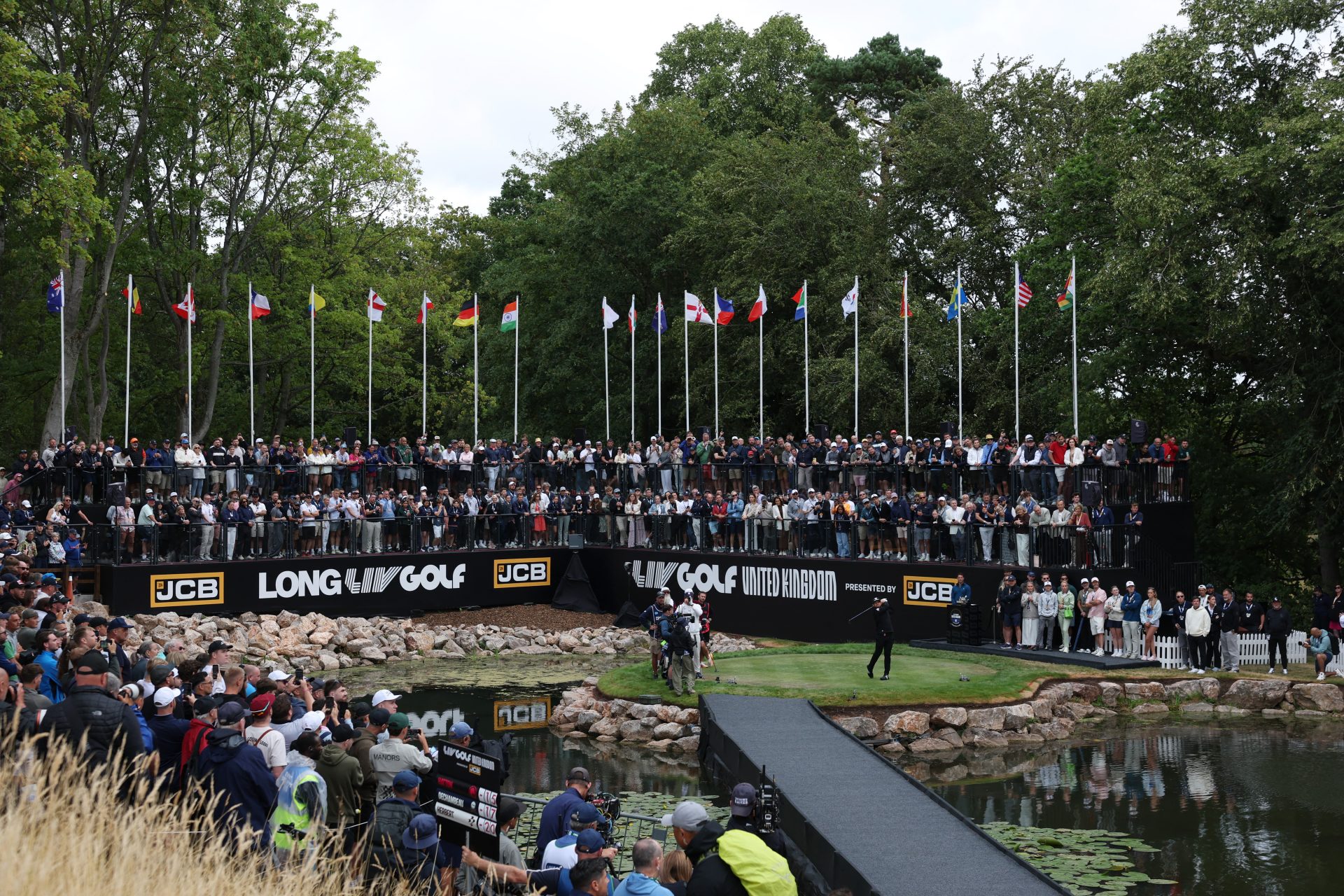
LIV Golf cut $60.1 million in promised prize money this season while Jon Rahm’s $6 million bonus survives. That is not a turnaround plan. It is what a cash squeeze looks like in golf shoes.
This is the bit sports executives hate admitting: athletes are not the business. Customers, cash flow and trustworthy counterparties are the business. LIV had the athletes — Rahm, Bryson DeChambeau, Cameron Smith, Dustin Johnson, Tyrrell Hatton and plenty more. It had a sovereign wealth fund behind it. It had absurd purses, music acts and a marketing machine most startups would kill for.
Now it has a cancelled $40 million finale, reduced prizes, vendors alleging they have not been paid and a very public race to find new money.
The $60.1 million haircut
LIV’s Indianapolis event, beginning August 20, is now its 2026 season finale after the league cancelled its Michigan team championship, originally scheduled for August 27–30. Michigan was meant to carry a $40.1 million payout. Instead, Indianapolis will pay $40.1 million across individual and team competition — down from the $70.1 million that Indianapolis plus Michigan were expected to distribute.
The individual prize pool in Indianapolis has been cut to $10.1 million from LIV’s standard $20 million. The winner gets $2.02 million, roughly half the usual $4 million cheque. The team championship money has been shifted into Indianapolis, where the winning four-man team will receive $8.4 million rather than the $11.2 million previously earmarked for the Michigan winner. ([frontofficesports.com](https://frontofficesports.com/liv-golf-cuts-30m-in-prize-money-from-end-of-season/))
Add the cancelled $30 million LIV Golf Louisiana event, and players and teams have lost access to $60.1 million of prize money that had been on the season’s original menu. LIV will still pay a frankly enormous $370.1 million in 2026 prizes across 12 events. But that is precisely why this matters: when a league built its identity around limitless money starts changing the payout card in public, the story is no longer golf. It is liquidity.
Rahm has already clinched LIV’s season-long individual title and its $6 million bonus. DeChambeau is assured of at least third, while Joaquín Niemann, Lucas Herbert and Hatton are contesting the remaining two bonus positions worth $3 million and $1 million. The bonuses remain unchanged. ([frontofficesports.com](https://frontofficesports.com/liv-golf-cuts-30m-in-prize-money-from-end-of-season/))
Good luck to Rahm — he played by the rules offered. But the visual is brutal. The marquee asset gets paid while the rank-and-file economics are rewritten and the people who set up the stages, cameras, hospitality and data systems wonder when their invoices will clear.
How a league with Saudi backing got here
The Saudi Public Investment Fund announced in April that it would end its LIV funding after the 2026 season. That decision pulled the floor out from a model that had reportedly absorbed more than $5 billion since LIV launched in 2022. The league is now discussing a potential funding arrangement with BC Partners Credit, but no deal has been finalised. ([frontofficesports.com](https://frontofficesports.com/liv-vendors-say-theyre-unpaid-as-league-seeks-to-stay-afloat/))
That transition is the whole ballgame. A business funded to disrupt an incumbent can spend like a maniac for a while. It can offer player guarantees, huge purses, free tickets, concerts and global events because return on invested capital is not the immediate constraint. But eventually someone asks the boring adult question: who pays when the original sponsor stops?
LIV’s answer, at least so far, is “LIV 2.0”: a purportedly more sustainable league, potentially with players as majority equity holders. Scott O’Neil says the league is being reimagined around player ownership, growth markets and a sustainable model. Fine. But “sustainable” is not a strategy unless it includes a credible answer to three questions: What does the customer pay for? What does the broadcaster pay for? And who gets paid first when cash is tight? ([frontofficesports.com](https://frontofficesports.com/liv-golf-finally-cancels-40m-michigan-finale/))
LIV’s leadership has at least made one hard operational call. It cancelled Michigan rather than pretending grandstands, hospitality and a four-day tournament would magically appear. No infrastructure had been built at The Cardinal at Saint John’s Resort. Michigan ticket holders will be refunded. The concerts planned for Indianapolis — Thomas Rhett and Disco Lines — were cancelled too. ([frontofficesports.com](https://frontofficesports.com/liv-golf-finally-cancels-40m-michigan-finale/))
That is better than putting on a Potemkin event. But it is still a flashing dashboard light.
The unpaid-invoice problem is worse than bad PR
The most concerning part is not the smaller winner’s cheque. Players with contracts, agents and alternatives can look after themselves. It is the contractor problem.
Fresh Tape Media has sued LIV in New York state court, alleging more than $1.23 million in missed payments and interest tied to LIV Golf Week, a January preseason production event in West Palm Beach. The company says eight invoices due from January 22 through March 22 were not paid, that LIV never disputed them, and that LIV’s settlement offer fell from $200,000 in May to $150,000 in June. These are allegations in a lawsuit, and LIV had not responded to Front Office Sports’ request for comment. ([frontofficesports.com](https://frontofficesports.com/liv-golf-sued-for-1-2m-by-company-that-produced-preseason-event/))
Fresh Tape says it paid its own 115 workers and contractors for the job. Think about that for a second. The smaller operator wears payroll, carries production risk and delivers the work. The deep-pocketed league allegedly delays payment. That is how small businesses get smashed while bigger organisations keep using words like “transition” and “discipline.”
Other LIV contractors told Front Office Sports they are owed amounts ranging from several thousand dollars to nearly $100,000. A former technology partner, Mobii Systems Group, has separately sued for more than $1.1 million in claimed unpaid invoices and interest. LIV declined comment on those vendor claims. ([frontofficesports.com](https://frontofficesports.com/liv-vendors-say-theyre-unpaid-as-league-seeks-to-stay-afloat/))
I am not saying LIV is insolvent. I am saying that if you are a founder, supplier or investor, you should treat delayed payment to operational vendors as a serious signal — not gossip. A company can cut marketing. It can cancel a concert. It can renegotiate prize money. Once it starts preserving cash by making the little bloke wait, the risk has moved from theoretical to practical.
The contrarian take: LIV’s real asset is not the player roster
Here is the overlooked angle. LIV’s best chance of survival may not be to outspend the PGA Tour again. That game is over. Its best chance is to become a much smaller, sharper global media-and-event business that uses elite golfers as distribution.
That means fewer events, venues where the product actually has pull, commercial partners who pay real money, and a format people can understand without a 20-minute explanation. It means treating Rahm, DeChambeau, Smith and the rest not just as expensive talent but as owner-operators with skin in the outcome.
Player ownership can be powerful. It aligns the stars who drive attention with the enterprise they represent. But it can also be a convenient way to hand staff equity instead of cash. Equity is not payment. It does not cover a camera crew’s wages, a caterer’s invoice or a supplier’s bank loan.
The strongest version of LIV 2.0 would be a league that publishes a disciplined calendar, pays vendors fast, protects player incentives and sells a limited number of premium global events properly. The weak version is a business that calls every cost cut “innovation” while hoping a new investor turns up before the music stops.
What this means for you
If you run a business, nick one lesson from this mess tomorrow: never confuse funding with a business model. Big backing buys time. It does not buy customer demand, operating discipline or trust.
Use this four-question stress test on your own company:
1. If our biggest backer disappeared in six months, what gets cut first? If the answer is “we have not thought about it,” you have a problem. 2. Who is carrying our working-capital risk? If it is suppliers and contractors, you are borrowing from people least able to afford it. That is lazy management, not clever finance. 3. Which promises are contractual and which are marketing? Prize pools, commissions, bonuses and supplier terms must survive the first downturn or you will destroy trust exactly when you need it. 4. What genuinely earns repeat revenue? Not applause. Not headlines. Not a famous name on the cap. Revenue.
LIV Golf may yet secure fresh funding and rebuild around Rahm, DeChambeau, Smith and a more rational cost base. That is possible. But the current lesson is simpler and far more useful: if your business needs endless outside cash merely to keep the promises that made it famous, you do not own a moat. You own a very expensive habit.