Liverpool’s £123m Bradley Barcola Deal Is a £106m Bet on One Winger
£106 million guaranteed for a winger is not a transfer. It is Liverpool admitting that elite attacking talent now costs more than most clubs are built to survive.
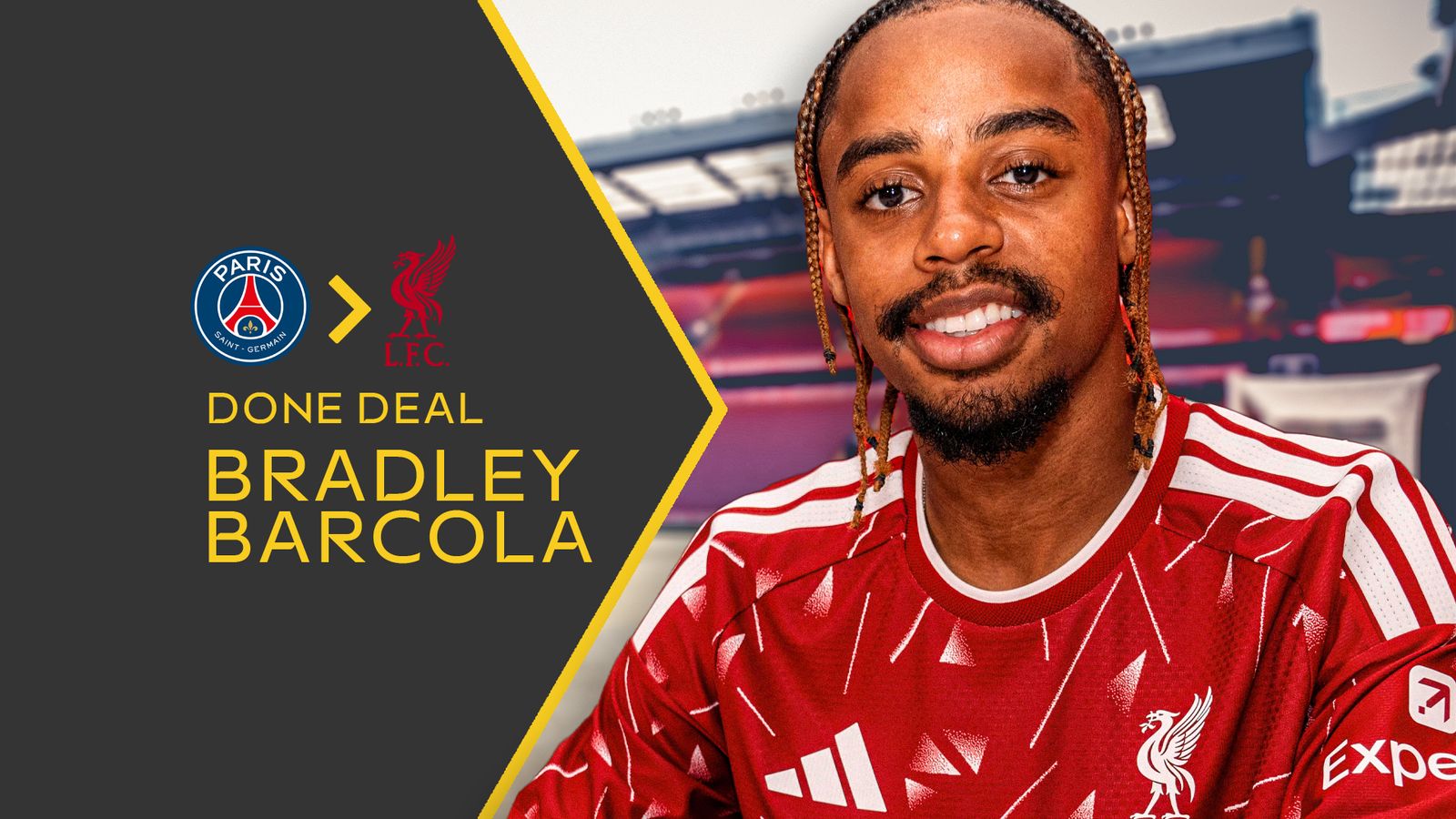
£106 million guaranteed for a winger is not a transfer. It is Liverpool admitting that elite attacking talent now costs more than most clubs are built to survive.
Liverpool have completed the signing of France forward Bradley Barcola from Paris Saint-Germain in a deal worth £106 million up front and as much as £123 million with add-ons. He has signed for five years. That makes the 23-year-old Liverpool’s second-most expensive signing ever, behind the £125 million deal for Alexander Isak last year.
That is a hell of a number for a player who does not sell tickets by himself, does not own a Ballon d’Or, and has not spent a decade being the best player in his position. It is also exactly how elite sport works now: the price is not set by what a player has done. It is set by what a club fears it will miss if somebody else gets him.
Liverpool Have Bought Time, Not Just Barcola
Let’s be clear about what Liverpool have paid for.
They have bought a player with genuine output: 39 goals and 35 assists in 152 appearances for PSG, plus a serious international profile with France. They have bought a forward who can play across the front line and arrives after back-to-back Champions League titles with PSG.
But £123 million is not the price of past production. Past production is the brochure. The real purchase is optionality.
Barcola gives Liverpool another elite-level attacking asset before one becomes unavailable, unaffordable or attached to a rival. He gives new manager Andoni Iraola the ability to change games without rebuilding his entire shape. He gives the club a player entering what should be his prime years, rather than a bloke they hope can squeeze out one last monster season.
That is the rational case. And I can make it because I have built businesses where waiting felt prudent but was actually expensive. You can save yourself a few dollars on the purchase price, then lose a fortune because the asset you needed went elsewhere.
The other case is more uncomfortable: Liverpool may simply be paying the tax of being a rich club that knows it cannot afford to stand still.
In the Premier League, standing still is not neutral. It is reverse gear. Your rivals recruit, player wages rise, agents learn exactly how desperate you are, and the market punishes clubs that show up late with their wallets open.
£106 Million Up Front Is the Part That Matters
People love quoting the headline fee because it creates a nice argument down the pub. “£123 million? Too much.” Maybe. But the structure tells you more than the headline.
Liverpool’s guaranteed commitment is £106 million. The remaining £17 million is tied to performance-based add-ons. That means PSG have secured an enormous certain outcome, while Liverpool have kept at least a sliver of the price linked to Barcola and the team actually delivering.
Good deal-making is not about pretending you can avoid risk. It is about deciding which risk you are willing to own.
PSG were reportedly asking for around £145 million earlier in the summer. Liverpool did not get a bargain. Nobody should insult your intelligence by pretending otherwise. But they did move the guaranteed number below that initial ask and put part of the eventual bill behind performance.
That matters because this is not a £17 million punt on a clever winger from a mid-table club. This is a nine-figure commitment to one employee in a sport where a hamstring, a tactical mismatch or one bad season can make a very smart board look like drongos.
The fee also tells us something about PSG’s position. They have turned an attacking player into one of the largest sales in the modern European game while retaining the commercial and sporting power of a club that has won consecutive Champions Leagues. That is what a strong seller looks like: no panic, no discount, no emotional attachment to a player who wants a new challenge.
The Transfer Market Has Stopped Rewarding Patience
For years, football executives sold supporters the romance of the patient rebuild. Identify talent early. Develop it. Buy low. Sell high. Very wholesome. Very sensible. Also increasingly difficult when every serious club has data departments, global scouting networks and private jets full of intermediaries.
Barcola is a perfect example of the new reality. Liverpool did not discover him. PSG did not discover him. The entire market knew who he was.
Once that happens, patience becomes a luxury. A player with speed, end product, Champions League experience and years ahead of him does not become cheaper because you wait. He becomes more expensive because every other club gets another chance to convince themselves they need him.
Liverpool had already made Alexander Isak their record signing. Now they have added Barcola at a fee that could reach £123 million. This is not a club trying to win a transfer-window beauty contest. It is a club accumulating scarce assets while it has the financial capacity and footballing appeal to do it.
That is how the biggest businesses operate too. They do not wait until every spreadsheet cell is green before buying a strategic asset. They buy when the asset changes their next five years.
Of course, football is not software or spirits or property. Your expensive asset has opinions, an agent, a body that can break, and 60,000 amateur directors analysing him after every poor touch. But the capital-allocation principle is the same: when the truly scarce asset becomes available, hesitation has a cost.
The Overlooked Problem: Liverpool Have Raised Their Own Standard
Here is the bit supporters should enjoy less.
A £123 million signing does not merely raise the ceiling. It raises the minimum acceptable return.
Barcola does not need to score 30 goals in his first season to justify the deal. That is lazy thinking. He needs to improve Liverpool’s attack, create options Iraola did not have, help win matches that turn into league positions and European progression, and remain an asset rather than becoming dead money.
But at this price, “pretty good” will not cut it for long.
Every selection decision becomes louder. Every injury gets more expensive. Every young winger blocked from minutes becomes a trade-off. And every contract negotiation with the next star will start from a higher reference point because footballers are not idiots. They know exactly what the club has just spent.
This is where many owners get caught. They celebrate the signing and forget that the fee changes the organisation around it.
If you buy a premium asset, you need a premium system around it. Sports science. Recruitment discipline. Coaching clarity. Squad planning. Commercial execution. You cannot pay Rolls-Royce money and run the business like a suburban mechanic with one socket set.
Liverpool’s job is not finished because Barcola put pen to paper. The real work is making the investment compound.
Why This Could Still Be Cheap
Yes, I said £123 million could be cheap. Put your glass down.
If Barcola performs for five years, remains available, helps Liverpool compete for the Premier League and Champions League, and preserves resale value well into his late twenties, the fee looks very different over time. The market only remembers the price when the player fails. When the player wins, it calls the same spending “ambition.”
That is unfair but true.
Liverpool are betting that Barcola’s age matters as much as his talent. A player in his early twenties gives you more chances to be right. More seasons to integrate him. More time to recover from a poor patch. More ability to spread the sporting value across a long contract.
The contrarian view is that clubs often talk themselves into “future value” because it makes an eye-watering present cost easier to swallow. That risk is real. Potential is the most overused word in sport because it has no expiry date until suddenly it does.
Still, I would rather buy a proven young performer from PSG than pay nearly the same money for a player whose best years are clearly behind him. At least Liverpool are taking an expensive risk in the right direction.
What This Means for You
You probably are not negotiating a £123 million transfer fee this week. Shame. But the lesson is useful whether you run a startup, lead a team or invest your own money.
First: separate price from value. A big number is not automatically stupid. Ask what the asset changes over five years, not what it costs on the day you buy it.
Second: pay for scarcity when it is real, not when it is fashionable. Barcola’s price is obscene because elite, young, versatile attackers with a track record are genuinely scarce. In your business, know the difference between a scarce advantage and an expensive toy.
Third: structure risk instead of pretending it does not exist. Liverpool’s £106 million guaranteed fee and £17 million in add-ons is a reminder that the terms matter. Negotiate payment timing, performance hurdles and downside protection. The sticker price is only one line in the deal.
Finally: build the system before you buy the superstar. A great hire, acquisition or investment cannot rescue a sloppy operation. It can only make your existing weaknesses more expensive.
Liverpool have made a massive bet on Bradley Barcola. The fee is bold. The logic is sound. Now comes the difficult bit: proving that bold and reckless are not the same thing.