Liverpool’s £123M Bradley Barcola Deal Is a £106M Bet on Replacing Salah
Liverpool have agreed to pay £106M upfront for Bradley Barcola because replacing Mohamed Salah cheaply is no longer an option. This £123M deal is a succession bet — and a warning.
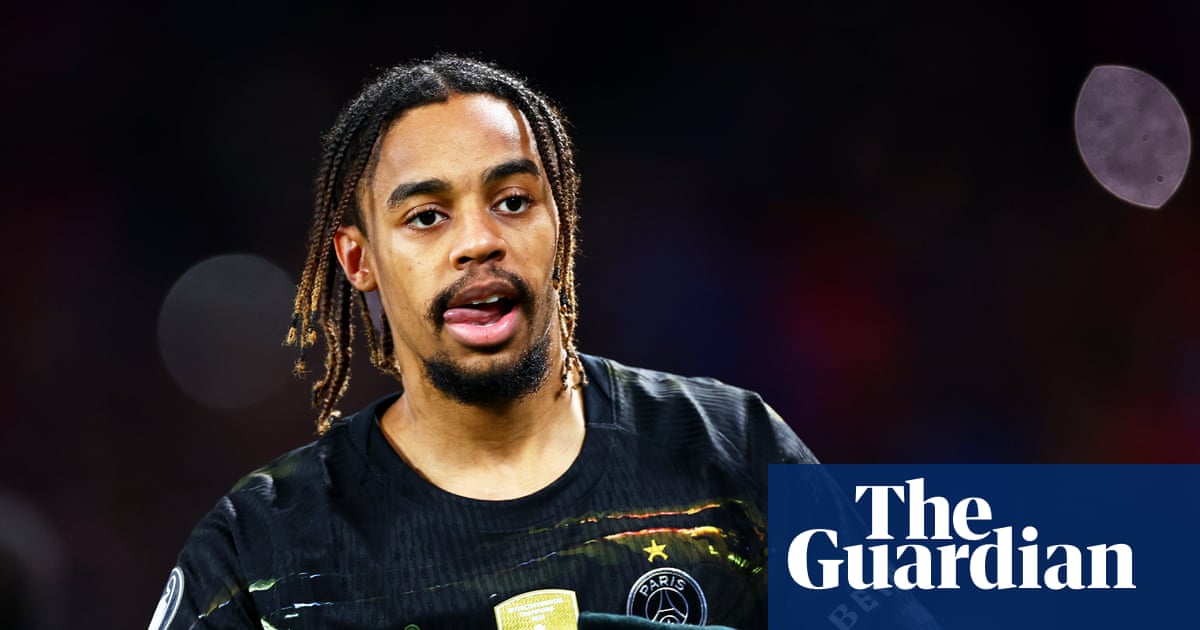
Liverpool have agreed to put £106 million on the table upfront for a 23-year-old winger who may not even solve their most obvious tactical problem.
That is not necessarily stupid. But it is what expensive succession looks like when you wait until the superstar has walked out the door.
The £123 million agreement is really about Mohamed Salah
Liverpool have finalised an agreement with Paris Saint-Germain worth up to £123 million for Bradley Barcola: £106 million guaranteed and a further £17 million in add-ons tied to individual and team outcomes. Barcola was due for a medical over the weekend, with documents still needing to be exchanged, so this is not one of those silly “done deal” declarations before the paperwork is actually done. But the commercial decision has plainly been made. ([skysports.com](https://www.skysports.com/football/news/11669/13578446/bradley-barcola-set-to-sign-liverpool-contract-to-2031-after-psg-agree-transfer-worth-up-to-lb123m))
Barcola is expected to sign a five-year contract through 2031. He arrives with a serious résumé: 152 appearances for PSG, 39 goals, 37 assists, three Ligue 1 titles and consecutive Champions League wins in 2024-25 and 2025-26. PSG had initially valued him at around £145 million, so Liverpool have negotiated that price down — though let’s not hand anyone a medal for spending £123 million. ([skysports.com](https://www.skysports.com/football/news/11669/13578446/bradley-barcola-set-to-sign-liverpool-contract-to-2031-after-psg-agree-transfer-worth-up-to-lb123m))
The real story is not that Liverpool have bought a talented French international. Big clubs buy talented French internationals every other Tuesday.
The story is that Liverpool are now paying the premium attached to replacing Mohamed Salah after Salah’s departure. Their forward line already includes British-record signing Alexander Isak, Cody Gakpo, teenager Rio Ngumoha and Víctor Muñoz, while Hugo Ekitike is out with a long-term Achilles injury. Barcola is not merely another attacker; he is a very expensive attempt to rebuild the shape, output and fear factor of an attack that had long been organised around Salah. ([brecorder.com](https://www.brecorder.com/news/amp/40436985))
That distinction matters. Buying growth is fun. Buying succession is usually bloody expensive.
Liverpool are buying certainty — or at least the closest thing to it
The guaranteed £106 million is the number that matters most. Add-ons are what clubs talk about because they make a headline fee look more dramatic. The fixed fee is the cheque you have to be comfortable writing when nobody is clapping.
Liverpool have decided that Barcola’s age, elite-club experience and production are worth that cheque. They are also buying a player with two years remaining on his PSG contract, which tells you PSG did not need to sell him at a discount. Liverpool were negotiating against a European champion with leverage, not against a distressed seller trying to clear inventory. ([brecorder.com](https://www.brecorder.com/news/amp/40436985))
This is why the lazy “football has lost its mind” take misses the point. Football has always overpaid at moments of pressure. The question is whether the pressure is self-inflicted and whether the club knows exactly what it is paying to avoid.
Liverpool are paying to avoid three ugly outcomes.
First, they are avoiding a post-Salah season in which every mediocre performance becomes a referendum on whether they replaced him.
Second, they are avoiding concentration risk. Isak is a monster signing, but one elite striker cannot carry every attacking burden across a full Premier League and Champions League campaign. Ekitike’s injury only makes depth less theoretical and more urgent.
Third, they are avoiding a market problem. Once the world knows you need a replacement for a global superstar, every selling club smells the desperation from another postcode. PSG began at about £145 million. Liverpool’s final number is lower, but not low. ([skysports.com](https://www.skysports.com/football/news/11669/13578446/bradley-barcola-set-to-sign-liverpool-contract-to-2031-after-psg-agree-transfer-worth-up-to-lb123m))
That is the tax on acting late: you do not buy only the asset. You buy the seller’s understanding of your need.
The uncomfortable bit: Barcola is not a clean Salah replacement
Here is where I think the market has been a bit too polite.
Barcola may be brilliant. He may become one of the Premier League’s best wide forwards. But this is not as simple as swapping one superstar winger for another and carrying on.
Sky Sports’ analysis makes the obvious tactical point: Barcola is most naturally a left-sided winger, while Salah’s defining work at Liverpool came from the right, cutting inside to score. Jamie Carragher’s criticism is even more direct: Liverpool had multiple players comfortable off the left and lacked a natural right-sided answer. ([skysports.com](https://www.skysports.com/football/news/11669/13578446/bradley-barcola-set-to-sign-liverpool-contract-to-2031-after-psg-agree-transfer-worth-up-to-lb123m))
That does not make the transfer wrong. It makes it a more complicated bet than the price tag suggests.
If you are Liverpool, you can see the logic. Barcola brings quality, youth and upside. He gives manager Andoni Iraola another high-end wide option. He may make Gakpo saleable if the right bid arrives; Tottenham and Manchester City have both been linked with the Dutch forward, and Liverpool were previously unwilling to sell before a replacement was through the door. ([skysports.com](https://www.skysports.com/football/news/11669/13578446/bradley-barcola-set-to-sign-liverpool-contract-to-2031-after-psg-agree-transfer-worth-up-to-lb123m))
But a good player in the wrong part of your system can be an expensive distraction. Founders do this constantly. They hire the best available executive, not the executive who fixes the bottleneck. Then six months later they wonder why the business still has the same problem, only with a more expensive org chart.
Liverpool must be ruthless here. If Barcola is the left-sided weapon, great — build around that truth. Do not pretend he is Salah because the club needs a Salah story. That is how good businesses start lying to themselves.
PSG have played this exactly as a seller should
PSG’s original £145 million valuation was not a prediction of Barcola’s “true value.” There is no such thing. It was an anchor.
Anchors work because buyers hate appearing to lose. Once £145 million is sitting in the conversation, a £123 million agreement can feel like disciplined bargaining even though it remains an enormous number. PSG have converted a player with two years left on his contract into a package that is £106 million certain before the add-ons even begin. That is a tidy bit of commercial work. ([skysports.com](https://www.skysports.com/football/news/11669/13578446/bradley-barcola-set-to-sign-liverpool-contract-to-2031-after-psg-agree-transfer-worth-up-to-lb123m))
Liverpool, meanwhile, have accepted the seller’s basic premise: this was an elite, scarce asset and they had to pay an elite, scarce price.
Again, that may be right. The point is not to sneer at the number from the couch. The point is to understand the negotiation.
PSG had a player Liverpool wanted. Liverpool had a visible need following Salah’s exit. Barcola had personal terms agreed and was prepared to move. Every piece of that puzzle pushed the deal toward completion. The only remaining question was where the fee landed and how much risk could be shifted into add-ons. Liverpool got £17 million of that risk conditional. PSG got £106 million now. ([theguardian.com](https://www.theguardian.com/football/2026/aug/29/liverpool-finalise-deal-bradley-barcola-psg-medical-premier-league))
If I am PSG, I am delighted with that split.
The overlooked angle: this is a risk-reduction deal, not just a star signing
People love judging transfers as though they are venture bets: pay a fortune, hope the kid becomes a genius, enjoy the upside.
That is only half the equation. Liverpool are also buying downside protection.
Without Barcola, an injury to Isak, a slower-than-hoped return for Ekitike, or a drop-off from Gakpo could leave the club perilously thin in match-winning wide quality. With Barcola, Liverpool have more ways to construct an attack, more leverage in any Gakpo conversation and less dependence on a single solution working immediately.
This is what operators should notice. The best capital allocation is not always about chasing the largest upside. Sometimes it is about preventing one known vulnerability from becoming a company-level emergency.
But there is a catch: downside protection only works if you have genuine clarity on the risk you are reducing. If Liverpool have bought Barcola to replace Salah’s goals, create for Isak and Ekitike, cover both flanks, preserve Gakpo’s transfer value and calm supporters all at once, then they have loaded too many jobs onto one player.
No hire, acquisition or signing survives being asked to solve five unrelated problems.
What this means for you
When you make a major hire, acquisition or investment, stop looking only at the headline price. Break the decision into four brutally simple questions.
1. What is guaranteed? Liverpool’s real commitment is £106 million, not the maximum £123 million. In your world, identify the cash, equity, time and management attention that are locked in from day one.
2. What risk are you actually removing? Do not say “growth.” That means nothing. Name the dependency: a founder who does everything, one customer who pays the bills, one salesperson who carries revenue, one product that keeps the lights on.
3. Does the asset fit the bottleneck? Barcola may be elite, but Liverpool still need to answer whether a left-sided winger is the clean solution to life after a right-sided Salah. The equivalent mistake in business is hiring talent instead of solving the constraint.
4. What optionality does this create? Barcola potentially gives Liverpool flexibility around Gakpo and lets Iraola vary his attack. A good big decision should give you more credible paths forward, not trap you in one story.
That is the lesson in Liverpool’s £123 million agreement. The transfer fee is not the scary part. The scary part is paying top dollar without being painfully clear about the problem you are buying your way out of.
Liverpool have made their call. Now they need to make sure Bradley Barcola is allowed to be Bradley Barcola — not a £123 million ghost of Mohamed Salah. ([skysports.com](https://www.skysports.com/football/news/11669/13578446/bradley-barcola-set-to-sign-liverpool-contract-to-2031-after-psg-agree-transfer-worth-up-to-lb123m))
Sources
- Sky Sports: Bradley Barcola set to sign Liverpool contract to 2031 after PSG agree transfer worth up to £123m
- The Guardian: Bradley Barcola due for medical as Liverpool finalise £123m deal for winger
- Reuters: Liverpool finalise agreement to sign PSG's Barcola in deal worth up to £123 million, reports say
- Sky Sports: Cody Gakpo linked with Tottenham as Liverpool pursue Bradley Barcola