Liverpool’s $6B Bezos Deal Could Become an $8B Takeover in 12 Months
Liverpool didn’t sell control. It sold a roughly one-third stake to Jeff Bezos’s group—and may have priced the next 12 months at an $8 billion takeover.
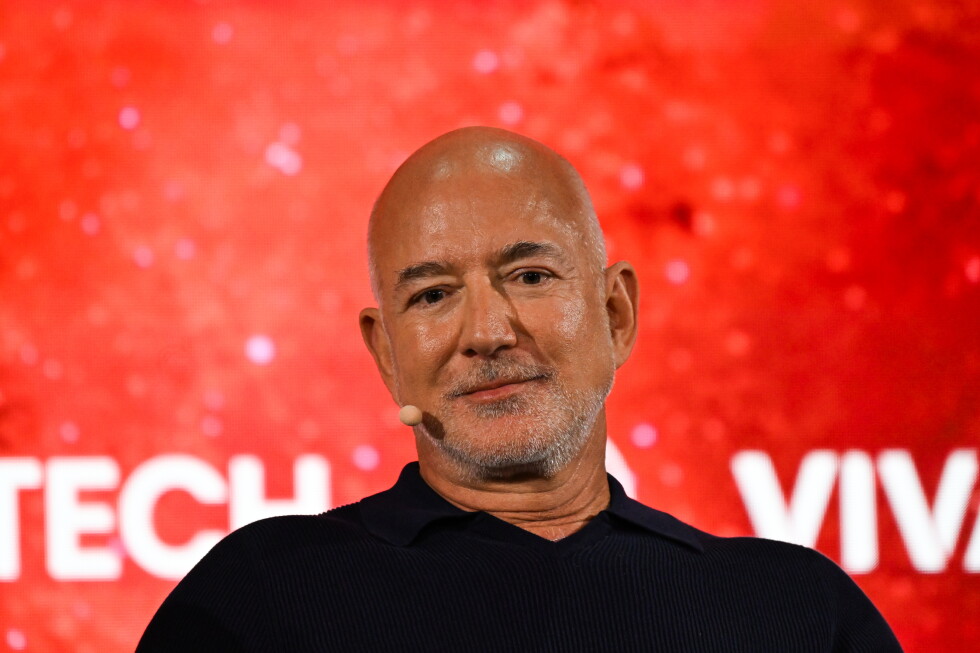
Liverpool didn’t just find rich investors. Fenway Sports Group sold a roughly one-third stake while keeping control — and the agreement reportedly gives Jeff Bezos, Eduardo Saverin and Amit Bhatia’s consortium a possible path to majority ownership at around $8 billion within 12 months.
That is not a passive investment. That is an option on one of world sport’s most powerful brands.
The $6 billion headline is not the real story
On Friday, Liverpool confirmed a definitive agreement to sell a minority stake to 1892 Holdings, the consortium led by British-Indian investor Amit Bhatia and including Amazon founder Jeff Bezos and Facebook co-founder Eduardo Saverin. FSG remains the majority owner and retains operational control.
The price reporting is a bit messy, because sports-deal reporting often is. The Associated Press put Liverpool’s reported valuation at around $6 billion. Sky Sports reported a valuation above $7 billion, with the group buying roughly one-third. Either way, this is not some tidy little capital raise. It is one of football’s biggest-ever minority investments. ([apnews.com](https://apnews.com/article/42cda4823dd71d1756dcd06123772e8c))
The more important detail is buried beneath the valuation chatter: Sky reported that the deal includes a framework under which the Bezos-backed group could become majority shareholders at a valuation of roughly $8 billion over the next year. That does not mean a takeover is guaranteed. It means FSG has created a live commercial runway toward one without surrendering the steering wheel today. ([skysports.com](https://www.skysports.com/football/news/11669/13566630/liverpool-key-questions-answered-as-jeff-bezos-and-amit-bhatia-line-up-bid-for-strategic-minority-stake-in-club))
That is sophisticated business.
Most owners think in binaries: sell or don’t sell. Smart owners think in stages. They sell enough to fund the next level, maintain control, bring in people with strategic muscle, and preserve the right to sell more later at a better price.
FSG has effectively done all four.
FSG bought Liverpool for $400 million — and has kept finding ways to sell slices, not the shop
FSG paid £300 million, about $400 million, for Liverpool in 2010. The reported $6 billion-plus value now represents a spectacular uplift, but the real lesson is not merely “football clubs got expensive.” Anyone with a calculator can see that.
The lesson is that FSG has treated Liverpool as a long-term compounding asset, not a trophy to polish once a fortnight.
The group has previously used minority capital. It sold 10% of FSG to RedBird Capital Partners in 2021 for £543 million. In 2023, it sold a reported 4% Liverpool stake to Dynasty Equity for £164 million. The Guardian reported that Liverpool’s record summer spending of almost £450 million came after the club made only an £8 million profit while winning the 2024-25 Premier League title. ([theguardian.com](https://www.theguardian.com/football/2026/jul/22/liverpool-open-talks-over-selling-significant-stake-in-the-club))
That last number should make every founder and operator sit up.
You can be wildly successful in public and still need capital in private. Winning does not eliminate the need for a balance sheet. In sport, especially, the costs of staying at the top keep accelerating: players, facilities, data, staff, academies, stadium improvements, women’s teams, global content, commercial teams — the whole machine.
Liverpool has the history, the global fan base, the trophies and Anfield. But Manchester City has state-backed resources. Chelsea has billionaire capital. Manchester United, whatever its football problems, is still a commercial monster. Standing still is not conservative. It is slowly losing.
So FSG has made the sensible move: turn part of the paper value it created into growth capital without handing over the keys.
Jeff Bezos is useful because he is not just another wallet
Plenty of wealthy people can write a cheque. Very few bring a platform that can change the economics around the cheque.
Bezos is not joining Liverpool because he needs another place to park money. He is arriving as the founder and executive chair of Amazon — a company built on global customer acquisition, memberships, logistics, advertising, video and data. Saverin brings another enormous technology-investor network. Bhatia brings actual football ownership experience from Queens Park Rangers and leads the consortium through 1892 Holdings. ([apnews.com](https://apnews.com/article/42cda4823dd71d1756dcd06123772e8c))
That mix matters more than the billionaire headlines.
Liverpool does not need Bezos to walk into the dressing room and pick the midfield. God help us if sports ownership becomes a board meeting about expected goals. It needs more commercial surface area: more direct relationships with fans, better global monetisation, stronger sponsorship packaging, premium experiences, content and smarter distribution of the club’s brand.
The overlooked angle is that a club like Liverpool is not really buying power in the transfer market. The Premier League’s financial rules still limit how freely a club can turn a rich owner’s cash into player spending. Broadly, spending is linked to 85% of football-related revenue plus net profit or loss from player sales. ([apnews.com](https://apnews.com/article/42cda4823dd71d1756dcd06123772e8c))
So the lazy take — “Bezos means Liverpool can buy anyone” — is rubbish.
The real opportunity is to build a bigger, more profitable commercial engine. More revenue creates more room under the rules. That is slower than simply throwing money at a striker, but it is also more durable.
The contrarian view: Liverpool may have sold too early — and that is exactly why this is clever
Here is the argument against the deal: why sell a third of a rare global asset now when football valuations may keep rising?
It is a fair question. If the consortium can buy control at around $8 billion within 12 months, FSG may be setting a ceiling on an asset that could be worth more later. The club has won another Premier League title, has a global following, and remains one of football’s most recognisable brands. Why not hold every last share and wait?
Because founders and owners get into trouble when they confuse ownership percentage with wealth creation.
Would you rather own 100% of a business that is undercapitalised, exposed and increasingly outgunned? Or 67% of a better-financed business with stronger strategic partners, a wider global network and a credible route to a higher future valuation?
I know which one I’d take.
The point is not to sell shares. The point is to sell the right shares, at the right time, to people who can make the remaining shares worth more.
FSG has also retained operational control. That is crucial. Minority investors can provide capital and commercial leverage without turning every football decision into an argument between competing empires. Sky reported that FSG continues to hold control, while the transaction still requires regulatory and customary closing approvals. ([skysports.com](https://www.skysports.com/football/news/11669/13566630/liverpool-key-questions-answered-as-jeff-bezos-and-amit-bhatia-line-up-bid-for-strategic-minority-stake-in-club))
That separation — money in, control retained — is what makes this deal more interesting than a standard football sale.
What this means for you
You probably do not own Liverpool. Fair enough. But the operating lesson applies whether you own a startup, a family business, an investment portfolio or a growing services company.
First: stop treating capital as a rescue rope. Raise or sell when you are strong, not when you are cornered. FSG did not need to dump Liverpool. It chose to bring in capital from a position of strength.
Second: sell strategy, not just equity. Before taking money, ask what the investor brings besides cash. Distribution? Customers? credibility? operating expertise? A platform? If the only answer is “they’re rich,” keep looking.
Third: protect control with structure, not vibes. FSG kept majority ownership and operational control. Founders routinely give away too much because they are flattered by a big valuation or tired of fundraising. Read the documents. Negotiate the governance. Know who decides what after the money lands.
Fourth: build optionality. The reported $8 billion pathway matters because it preserves future choices. Good deals do not trap you. They create alternatives: sell more later, buy out an investor, expand into new markets, or use the valuation as leverage in future negotiations.
Finally: do not confuse a headline valuation with cash in the bank. Liverpool’s value may be $6 billion, $7 billion or eventually $8 billion depending on which report you read and which future condition gets met. The exact figure matters less than the mechanism: FSG has turned an illiquid asset into an asset with fresh capital, a stronger investor bench and a defined next step.
That is how serious owners think. Not, “How much is my business worth today?”
The better question is: “What deal makes the piece I keep worth far more tomorrow?”