Lula’s $4B Betting Ban Is a Brutal Test for Flamengo and Corinthians
Brazilian football didn’t build a sponsorship market; it rented one from gambling. Lula’s $4 billion betting ban has handed Flamengo, Corinthians and 12 other clubs the invoice.
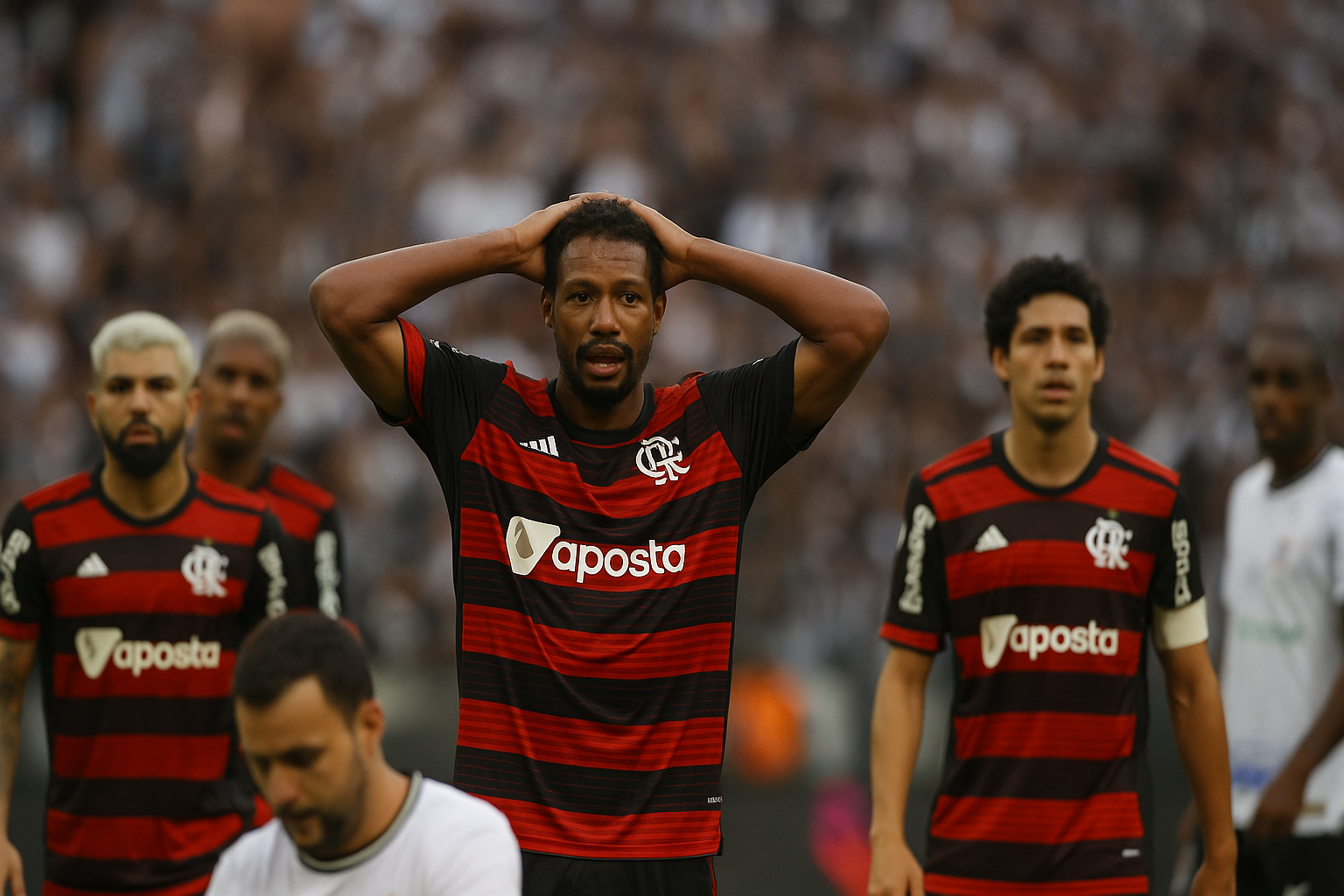
Brazilian football didn’t build a sponsorship market; it rented one from gambling.
Now President Luiz Inácio Lula da Silva has pulled the plug, and Flamengo, Corinthians, Palmeiras and most of Série A have been handed the invoice.
On September 25, 2026, Lula signed a provisional measure banning online fixed-odds betting and online casinos in Brazil. This was not a polite tightening of advertising rules. It bans the operation, offering, intermediation and advertising of betting platforms. The sites and apps are due to go dark on October 6.
That matters because Brazil’s betting market generated more than US$4 billion in revenue in 2025. And Brazilian football became spectacularly comfortable taking its cut.
The shirt-front money is suddenly radioactive
Fourteen of the 20 Série A clubs have a betting company as their primary shirt sponsor. That is not a sponsorship trend. That is a sector dependency.
Flamengo’s Betano deal is worth about R$268 million a year. Corinthians receives R$150 million annually from Esportes da Sorte. Palmeiras had a R$120 million 2025 deal with Sportingbet. São Paulo and Fluminense have Superbet arrangements, while Botafogo, Cruzeiro, Vasco, Santos, Grêmio, Atlético Mineiro, Vitória, Remo and Chapecoense also have meaningful betting exposure.
The hard numbers are ugly. Betting companies put more than R$1 billion into Brazilian club sponsorships in 2025. One estimate puts the total at R$1.14 billion, or 7.9% of combined club revenue. In marketing and commercial revenue alone, betting represented roughly a third of the money at major Brazilian clubs.
Read that again: a third of commercial revenue, tied to one category that can disappear because one government changes its mind.
That is not diversification. That is concentration risk wearing a logo on the chest.
The clubs knew the danger. Betting operators had already warned Corinthians, São Paulo and Fluminense that a full prohibition could trigger immediate contract exits. Why would a bookmaker keep paying for visibility when it is no longer allowed to operate or advertise in the country?
It won’t. Nor should anyone pretend otherwise.
The Brazilian league itself is wrapped in the same exposure. Betano has naming-rights relationships with the Brasileirão and Copa do Brasil. So this is not merely a few shirt sponsors being peeled off. The commercial architecture around the competition is being stress-tested in real time.
Lula has reversed a policy his own government helped create
This is where the story gets properly messy.
Brazil opened the door to online betting in 2018. Lula then signed legislation in December 2023 to regulate and tax betting companies. The country began formalising the market in 2025, including licensing requirements and enforcement against unauthorised sites.
Then, less than two years after that regulatory framework took hold, Lula has gone in the opposite direction: ban the whole thing.
From a business owner’s perspective, that is the bit that should make you sit up straight. Regulation is one risk. A government deciding your legal category should no longer exist is another entirely.
The betting companies will argue this is a shocking breach of regulatory certainty, and they are already preparing legal challenges. They have a point on process. Companies made investments, signed long-term sponsorship contracts and paid for licences inside a framework the government had encouraged.
But football executives should be careful about acting as though they are innocent bystanders. They saw the money flowing. They saw the ads flood broadcasts, stadiums and social media. They saw an industry built on people losing money become their preferred commercial partner.
That does not make every club immoral. It makes them exposed.
And it is not as if Lula’s government has invented the social problem to make a headline. Brazil’s central bank estimated that Brazilians were spending about R$30 billion a month on betting. A 2025 health-policy study estimated gambling and betting cost Brazilian society R$38.8 billion annually. An August study cited by the Associated Press put the number of Brazilians addicted to betting platforms at about 2 million.
You can argue about the best policy response. You cannot seriously argue there was no problem.
The clubs’ real problem is not lost sponsorship. It is weak balance sheets.
The betting ban will hurt. But it is exposing a weakness that was already there.
Brazil’s top 20 clubs generated around R$14.9 billion in revenue in 2025 while carrying roughly R$14.3 billion in debt. That is the backdrop to the panic. The betting cash did not land in a pristine, conservatively financed industry with years of reserves. It entered a football economy that often spends tomorrow’s money today and calls it ambition.
When a R$150 million annual sponsor disappears, the sporting impact is obvious: less wage capacity, fewer transfers, tougher renewal talks and a worse ability to retain players.
But the second-order impact is nastier. Clubs use predictable commercial income to support operating budgets, service debt, attract financing and make commitments to staff, suppliers and players. Remove a major sponsor in the middle of that machine and the problem is not simply replacing a logo. It is repairing a forecast.
Flamengo can absorb pain better than most because it has scale, supporter demand and multiple revenue streams. Palmeiras is also better placed than a smaller club with a single dominant sponsor. But “better placed” is not the same as immune.
For clubs lower down the pecking order, betting money may have funded competitive relevance. Lose it suddenly and the gap between the rich and the rest could widen, not narrow. The biggest brands can chase banks, telecoms, retailers, food companies and global consumer brands. Smaller clubs may have fewer credible alternatives willing to pay serious money for shirt-front exposure.
That is why this will become a recruitment problem as much as a sponsorship problem. The clubs that replace betting revenue fastest will have more room to keep talent. The clubs that cannot will sell earlier, buy cheaper and get worse on the pitch.
The contrarian view: this may be the correction Brazilian football needed
Here is the bit club executives will hate: losing gambling money could be good for Brazilian football over the long run.
Not because less revenue is good. That is nonsense. More revenue gives clubs more options.
It could be good because easy money makes lazy operators look clever.
A betting company on the front of a shirt is a fast fix. It can paper over a mediocre commercial department, weak membership strategy, poor hospitality inventory, underpriced digital media, stale licensing programs and an inability to sell supporters anything except another jersey.
When the easy category vanishes, management gets exposed.
The best clubs will respond by treating their fan bases as customers rather than a captive audience. They will build proper CRM systems. They will sell memberships with genuine value. They will package international rights better. They will create premium match-day products. They will turn content into a commercial asset instead of a social-media chore.
The worst clubs will demand government rescue money, blame politics and hunt for the next dubious category willing to overpay for shirt space.
There is already talk of lower-interest credit support through Brazil’s development bank for clubs worried about lost sponsorship revenue. That might prevent immediate financial damage. Fine. But loans are not revenue, and borrowing to replace an operating sponsor is how you turn a commercial shock into a solvency problem.
A bridge is useful if you are walking to firmer ground. It is lethal if you use it to avoid changing anything.
What this means for you
If you run a business, invest in one or manage a serious budget, do this tomorrow: list your top five revenue sources and calculate what happens if the largest one disappears inside 30 days.
Not declines. Disappears.
Then ask three blunt questions.
First: Is this revenue truly diversified, or have we disguised dependency as growth? If one customer, platform, supplier, advertiser or regulation can punch a hole in the budget, you have concentration risk.
Second: Would our contracts protect us if the environment changes? Brazilian clubs are discovering that a headline annual sponsorship number is worth less than people think if the sponsor’s entire business model is regulated out of existence.
Third: What capability have we neglected because the money was easy? Build that before the crisis. A strong sales engine, customer database, product pipeline and cash reserve look boring right up until they save you.
Lula’s ban may be overturned in court or fail to survive Congress; the provisional measure needs legislative approval within 120 days to remain in force. But that uncertainty is the point, not a reason to ignore the story.
The lesson is brutally simple: never build a business plan around revenue you do not control, especially when it depends on politicians, public sentiment and an industry nobody trusts.
Brazilian football took gambling money because it was there. Now it gets to find out which clubs built businesses — and which ones merely sold ad space.
Sources
- AP: Brazil's Lula bans fixed-odds betting ahead of presidential election
- AP: Brazil's Lula promotes popular betting ban within days of tight election
- Reuters: Lula government bans online betting in Brazil and sets website shutdown deadline
- CNN Brasil: Betting ban and the sponsorship values at affected Brazilian clubs