Marc Lore Sells Timberwolves Control at $4.5B Valuation
Marc Lore took control of the Timberwolves and Lynx 14 months ago. Now he’s selling control at a $4.5 billion valuation. That’s not fandom—it’s finance with a mascot.
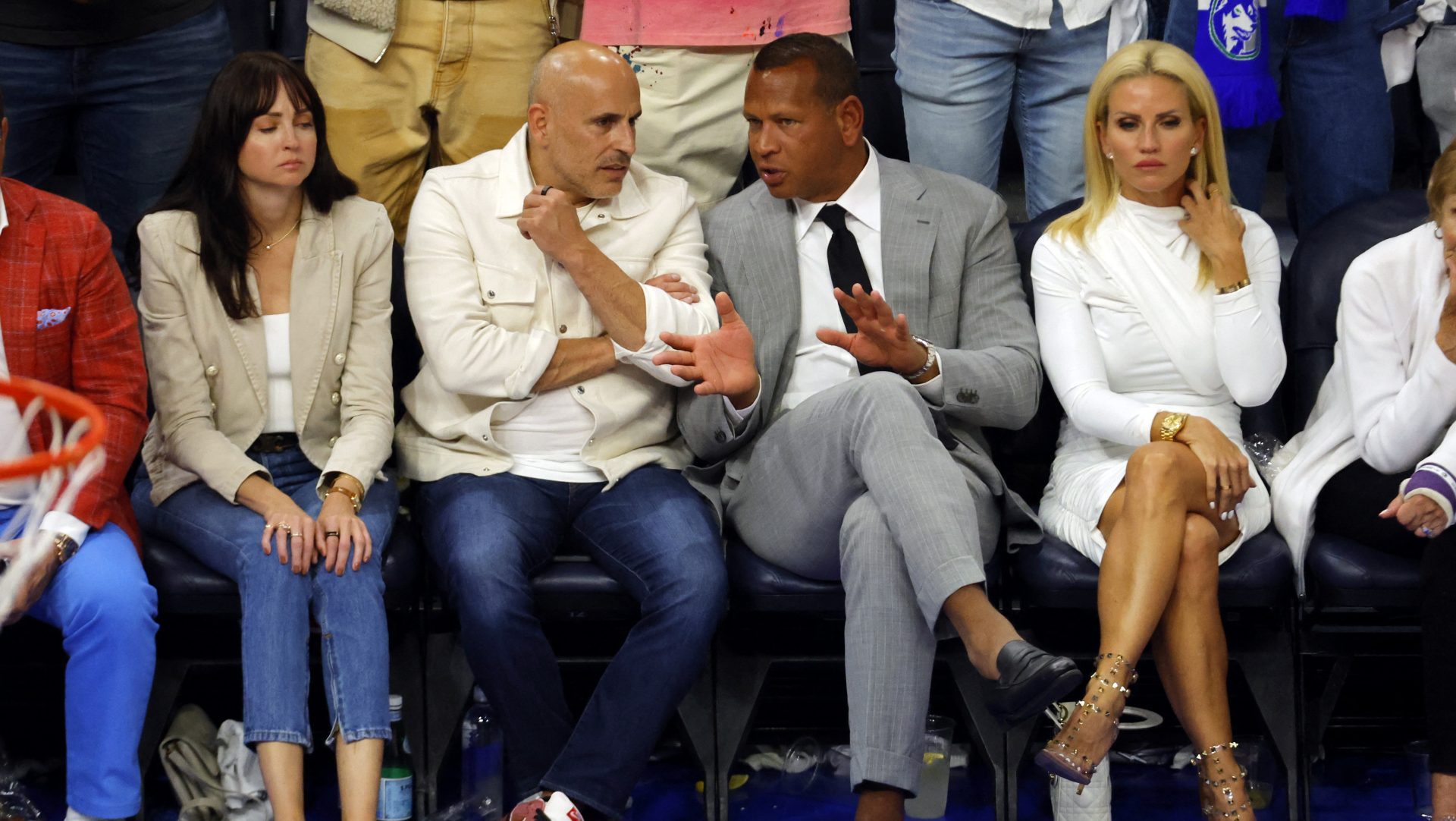
Marc Lore did not buy the Minnesota Timberwolves and Minnesota Lynx to spend 30 years cutting ribbons, shaking hands and pretending courtside seats are a personality.
Fourteen months after taking control, Lore is selling his controlling stake to Marc Stad at a $4.5 billion enterprise value. Lore and Alex Rodriguez acquired the teams at a $1.5 billion valuation. That is a threefold jump in the headline valuation in barely more than a year.
Before everyone starts congratulating Lore on a $3 billion profit: settle down. We do not know the exact economics of his stake, his financing, taxes, or the size of the minority position he is keeping. But the message is still brutally clear.
NBA ownership is no longer mainly a rich bloke’s vanity project. It is a scarce, highly liquid-ish financial asset with television rights, global distribution, salary-cap machinery and 30 other owners protecting the moat.
And the rest of us should pay attention, because this is how serious money thinks.
The deal: Marc Stad takes control, Lore steps back
On Friday, August 21, Lore agreed to sell his controlling interest in the Timberwolves and Lynx to Stad, the founder of Dragoneer Investment Group and already a significant minority investor in the ownership group.
Alex Rodriguez is not exiting. Front Office Sports reports Rodriguez will retain his stake and increase his investment. Lore is expected to retain a minority position, although its size has not been disclosed. The deal still requires NBA approval.
This is not a fire sale. Axios reported the transaction had been in the works for months, and that Stad is using his family office rather than private-equity capital for the purchase. Lore’s focus is reportedly shifting toward preparing Wonder, his food-distribution business, for an IPO.
That matters. The easy media story is: billionaire buys team, billionaire gets bored, billionaire sells team. The more useful read is this: an entrepreneur is reallocating time, attention and capital toward the opportunity where he believes he can create the most value.
That is what owners do. They do not marry every asset they own.
For Minnesota fans, the operational cast is largely intact. Timberwolves president of basketball operations Tim Connelly and coach Chris Finch remain central to the NBA side. The Wolves’ on-court identity still runs through Anthony Edwards, with Jaden McDaniels and LaMelo Ball part of the current core. On the Lynx side, Cheryl Reeve remains the defining basketball figure, with Napheesa Collier and Olivia Miles among the key names. The Lynx also sit at 30–7, the best record in the WNBA.
Stad is not walking into a smoking crater. He is buying control of two functioning sports businesses with competitive relevance, a shared market, established infrastructure and an ownership group he already knows.
That is a much better deal than buying a distressed mess from strangers and discovering the plumbing is rooted in the ceiling.
The $1.5B-to-$4.5B jump is the headline—but not the whole story
Lore and Rodriguez’s route to control was not clean. Their original agreement with Glen Taylor was struck in April 2021. The purchase structure unfolded in stages, then became a legal brawl when Taylor claimed the buyers had missed a deadline for the final portion of the deal.
Lore and Rodriguez said Taylor had seller’s remorse as NBA values climbed. Arbitration eventually went their way. The NBA approved the $1.5 billion sale in June 2025, more than four years after the original agreement.
Now, just 14 months later, the same franchises are being valued at $4.5 billion.
That does not mean the Timberwolves suddenly became three times better at basketball. Anthony Edwards did not personally invent $3 billion of value by attacking the rim. It means the market repriced the asset.
The repricing comes from several places:
- NBA franchises are scarce. There are only 30, and buyers with real money line up when one becomes available. - League economics are powerful. National media rights, international reach, sponsorship growth and revenue-sharing make the asset more institutional than a normal local business. - Basketball has become a global content product, not merely a domestic ticket-selling operation. - The Timberwolves and Lynx are a package. The WNBA asset is not an afterthought when women’s basketball is attracting more audiences, sponsors and investor interest. - Sport is becoming more acceptable to sophisticated capital. That does not mean it is cheap. It means more people can justify paying silly-looking numbers because they see an asset class, not a hobby.
Front Office Sports counted 25 NBA change-of-control sales since 2010. Since 2020 alone, there have been 11, with a combined value of $54.1 billion.
When that many high-dollar transactions happen, you are not looking at a few eccentric billionaires collecting toys. You are watching a market mature.
The overlooked angle: this is a liquidity story, not a basketball story
Most commentary around team sales gets trapped in the romance of ownership. Who loves the team? Will they move it? Does the buyer understand the city? All fair questions.
But the more interesting issue is liquidity.
For decades, a sports franchise was considered a wonderful asset you could own but not easily sell. There were limited buyers, opaque numbers, family politics, league approval and enormous transaction friction. You could be rich on paper while being stuck in the asset.
That is changing.
Yes, selling an NBA team is still more complicated than selling BHP shares on your phone while waiting for a coffee. But the buyer universe is deeper now. Tech wealth, private capital, family offices and global investors have all decided that premium sports assets deserve a place in a serious portfolio.
That makes an ownership stake more valuable before a sale even happens. If you know there will be credible bidders later, you can pay more today.
This is the flywheel:
1. Strong league economics attract wealthy buyers. 2. More wealthy buyers improve confidence in future exits. 3. Better exit confidence pushes valuations higher. 4. Higher valuations attract even more capital.
That does not run forever without a wobble. No asset class goes straight up because people say it is special. But it explains why a mid-market team in a 35-year-old arena can command a valuation that would have sounded like satire not long ago.
The contrarian view: a higher valuation can make the next owner’s job harder
Here is the bit everyone skips while clapping at the number.
A $4.5 billion valuation is not just a trophy for Marc Stad. It is also a burden.
The higher the entry price, the more pressure there is to monetise everything: premium seating, jersey patches, broadcast distribution, arena development, betting partnerships, international games, dynamic ticketing, data, hospitality, real estate around the venue—the lot.
Fans often hear “investment” and assume it means better facilities and more spending on players. Sometimes it does. But investors also want returns. Those two goals overlap only until they do not.
That is why the quality of ownership matters more than the press conference. The best owner is not necessarily the loudest fan or the richest person in the room. It is the one who understands which revenue levers can be pulled without stripping the soul out of the product.
The Wolves and Lynx have something valuable that cannot be modelled neatly in a spreadsheet: local trust. Minnesota remembers the franchise nearly leaving in the 1990s. It remembers the Glen Taylor dispute. Fans will watch whether Stad, Lore and Rodriguez deliver on their stated commitment to championships and the market.
A sports team is a business, absolutely. But unlike an app or a warehouse, the customers believe they partly own it emotionally. Ignore that and you can make short-term money while quietly wrecking the long-term asset.
What this means for you
You do not need $4.5 billion or a mate called A-Rod to use the lesson here.
First: buy assets with more than one buyer at the end. The best businesses are not merely profitable; they are understandable and desirable to multiple credible acquirers. Build clean reporting, recurring revenue, a defensible customer base and a management team that does not require you to be glued to the chair. That is what creates options.
Second: do not confuse a valuation with cash in your pocket. Lore’s deal is a reminder that headline numbers are not personal wealth statements. Debt, ownership percentages, tax, retained equity and transaction terms matter. When someone tells you their company is “worth” $20 million, ask one blunt question: “Worth that to whom, and for how much cash?”
Third: reallocate when the opportunity cost changes. Lore is reportedly turning his attention to Wonder’s potential IPO while keeping a minority stake in the teams. That is a grown-up move if the facts support it: take some chips off the table, keep upside, and put your energy where it has the biggest impact.
Finally: build for optionality, not applause. The operator who says, “I’ll own this forever,” can sound committed. Sometimes they are just scared of being tested by the market. Build something good enough to hold forever—and organised enough to sell tomorrow.
That is the actual game. Not owning the mascot. Owning the choice.