Netflix’s 5-Game NFL Deal: Why Bars Matter More Than Your Living Room
Netflix didn’t just buy five NFL windows. It bought a way to turn every decent sports bar into a subscriber-acquisition machine through 2029.
Netflix has spent years pretending it doesn’t need live sport. Now it has locked down the pubs.
That is the bit most people will miss in Netflix’s expanded NFL deal. The five-game package gets headlines. The multiyear agreement to put those games into bars and restaurants is where the commercial brain lives.
Netflix Has Bought Five NFL Windows — and a Distribution Machine
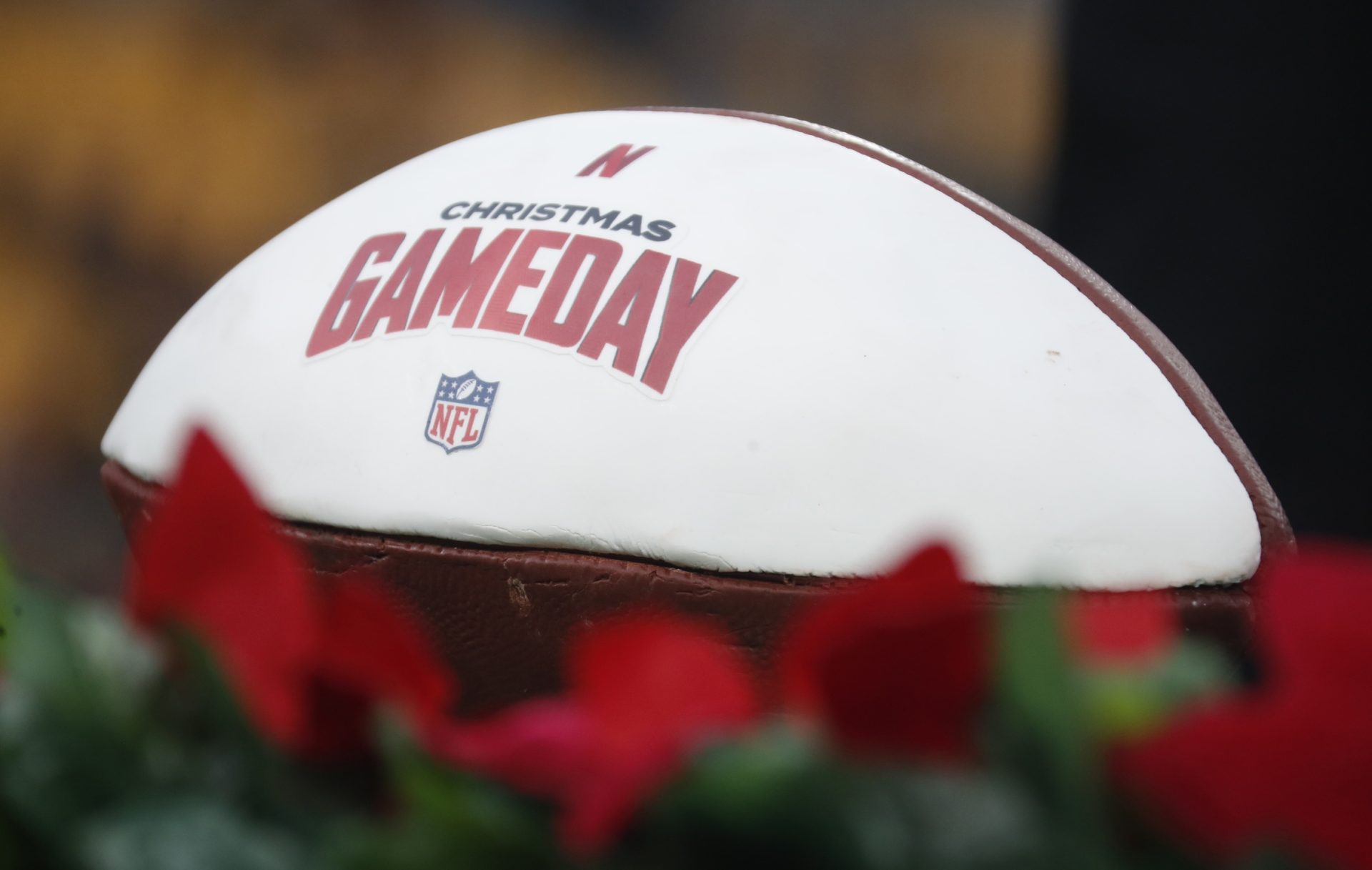
Netflix has expanded its NFL relationship into a five-game 2026 package running through the 2029 season. The slate includes the San Francisco 49ers versus Los Angeles Rams in Australia in Week 1, the league’s new Thanksgiving Eve game featuring the Green Bay Packers and Rams, a Christmas Day doubleheader this year, a Week 18 game with playoff implications, and the NFL Honors program during Super Bowl week.
That is not a full-season rights package. Netflix is not trying to become ESPN, CBS, Fox or NBC. It is doing something smarter: buying a handful of moments when a massive number of people feel they must watch live.
Then, on September 1, Netflix made the less glamorous but arguably more important move. It signed a multiyear commercial-distribution agreement with EverPass Media, meaning Netflix’s expanded NFL schedule will be available in bars, restaurants and other commercial venues. DirecTV for Business will market, sell and distribute the games alongside other EverPass sports content.
In plain English: a fan who will not sign up for Netflix to watch one game can still end up watching it at the local pub, seeing the Netflix brand attached to an NFL event, and perhaps becoming a customer later. That is distribution doing its job properly.
Most media executives get drunk on audience numbers. Sensible ones obsess over where and how the audience watches. The television in a packed bar is not merely one screen. It is a room full of potential customers, food-and-drink spending, social proof and a repeatable weekly habit.
Netflix has worked that out.
The NFL Is Selling Scarcity, Not Just Football
The 49ers-Rams game in Melbourne is a useful example. It is not just an international fixture. It is the NFL’s first regular-season game in Australia, featuring two of its biggest California brands in a bitter divisional rivalry. The Rams have international marketing rights in Australia, and the league chose a matchup that could travel well rather than a forgettable fixture nobody would cross the street to watch.
Rams president Kevin Demoff put it neatly when discussing the decision: the club had to think both as the Rams and as the league. That is the whole play. A game featuring the 49ers and Rams is more marketable in Melbourne than an anonymous contest because the rivalry already has history, identity and recognisable brands.
Netflix gets the global broadcast rights. The NFL gets a bigger overseas shop window. The Rams deepen their foothold in Australia. The 49ers get exported to another market without having to build that market from scratch.
Everyone gets a slice of the upside, which is generally how the NFL likes to arrange its affairs.
Netflix’s package also includes the Packers-Rams game in the newly created Thanksgiving Eve slot. That is not an accident either. Thanksgiving has long been one of the NFL’s most valuable cultural properties. The league has taken a day when families organise themselves around football and found another premium window to sell.
That is a lesson for every founder and investor: when you have a valuable customer habit, do not just raise the price. Find the adjacent moment where demand is already waiting.
The NFL has not created a new sport. It has created a new appointment.
Why Commercial Distribution Is the Quiet Power Move
Sport in venues is a different product from sport at home.
At home, Netflix competes with every other streaming service, every app on your phone, dinner, kids, work and the general exhaustion of modern life. In a bar, the game is the centre of gravity. The venue has already gathered the audience. It has already solved the payment problem. It has already made watching social.
That matters even more as out-of-home viewing becomes a more meaningful part of television measurement. Netflix needs its NFL broadcasts to register as broadly as possible because sports rights are not bought merely for prestige. They are bought to sell advertising, defend subscriber attention and prove to investors that live programming is worth the bother.
Commercial distribution helps on all three fronts.
First, it maximises reach. A bar full of fans watching the Packers and Rams is better for the broadcast’s total footprint than a bar scrambling to find a consumer login or simply showing another channel.
Second, it improves the product for advertisers. Advertisers do not pay top dollar for the romance of a rights announcement. They pay for a credible chance to reach people. More viewers in more locations strengthens Netflix’s advertising sales pitch.
Third, it makes Netflix more useful to businesses. That is an underrated moat. If venue operators come to rely on Netflix NFL games as part of their event calendar, Netflix becomes less like an optional entertainment subscription and more like infrastructure.
Infrastructure businesses are harder to replace than content libraries. People cancel libraries all the time. They do not casually rip out something that reliably puts bums on stools on a major football night.
DAZN Is the Other Winner Nobody Is Talking About
EverPass will not remain EverPass forever. DAZN announced its acquisition of the commercial distributor in late August, with the business set to become DAZN for Business after regulatory approvals.
That makes Netflix’s deal more interesting.
DAZN is not merely acquiring a name and a sales team. It is getting a distribution route into commercial venues that already handles NFL Sunday Ticket for business customers. EverPass was formed in 2023 by the NFL’s 32 Equity arm and RedBird Capital Partners, so this is not some random bit of middleware sitting in a forgotten server room. It sits close to valuable sports inventory and valuable venue relationships.
DAZN has also been building in the United States through streaming technology, team-level deals and an arrangement with Gotham Sports that will make it the exclusive local streaming home for seven professional teams, including the New York Yankees and New York Knicks.
Put those pieces together and the strategy is obvious: DAZN wants to own more of the pipes, not merely buy flashy rights and pray subscribers turn up.
That is the sensible strategy. The rights business can be brutally expensive, politically messy and full of egos. The infrastructure around rights — distribution, measurement, payments, venue access, ad technology — is quieter and often more defensible.
The contrarian view is that DAZN may have bought the better long-term asset than a single flashy sports package. Netflix gets five big NFL moments. DAZN is positioning itself to help decide how sport reaches commercial audiences across many moments, many leagues and many years.
Netflix Is Being Disciplined, Not Timid
There will be people who call Netflix’s approach half-hearted because it has not chased a full NFL Sunday package. That is rubbish.
A full-season NFL deal would require eye-watering capital, operational depth and a willingness to live with a very different cost base. Netflix has instead chosen tentpole events: games with urgency, holidays, international relevance and mass cultural value.
The package is deliberately small. It is also deliberately global.
That distinction matters. Netflix can turn a 49ers-Rams game in Australia into an international subscriber and advertiser event in a way a traditional domestic broadcaster cannot. It can use the NFL to reinforce the simple promise that made Netflix enormous in the first place: wherever you are, the entertainment people care about is on this service.
And it can do that without becoming a 24/7 sports network, with all the expensive filler, studio shows and shoulder programming that implies.
The smart money is not always on owning more. Often it is on owning the few things customers cannot ignore.
What this means for you
If you run a business, stop confusing a big launch with a complete go-to-market plan.
Netflix did not stop at securing NFL rights. It dealt with commercial distribution so the product can show up where people actually gather. That is a basic discipline too many founders skip: they build the thing, announce the thing, then act surprised when customers struggle to access, understand or share the thing.
Use this tomorrow:
1. Map the real point of consumption. Your customer may buy online but use the product in a workplace, a venue, a team or a family setting. Build for that environment, not just the checkout page.
2. Find the gatekeepers. EverPass and DirecTV for Business are not the sexy part of the deal, but they help Netflix reach thousands of venues. Work out who already controls access to your buyers, then make them money instead of trying to bypass them.
3. Buy moments, not noise. The NFL package is built around Week 1, Thanksgiving, Christmas, playoff stakes and the Super Bowl runway. Identify the few customer moments where urgency is real and own those before spraying money across the calendar.
4. Treat distribution as a product. A brilliant product with rubbish distribution is an expensive hobby. Build the channel with the same seriousness you build the product.
Netflix has not suddenly become a football network. It has become more dangerous because it has learned exactly how much football it needs — and exactly where it needs to show up.