NFL’s $110B Machine Sends Commanders and Jayden Daniels to London
The NFL is taking Washington to London for one reason: its $110 billion media machine needs new places to sell the same game.
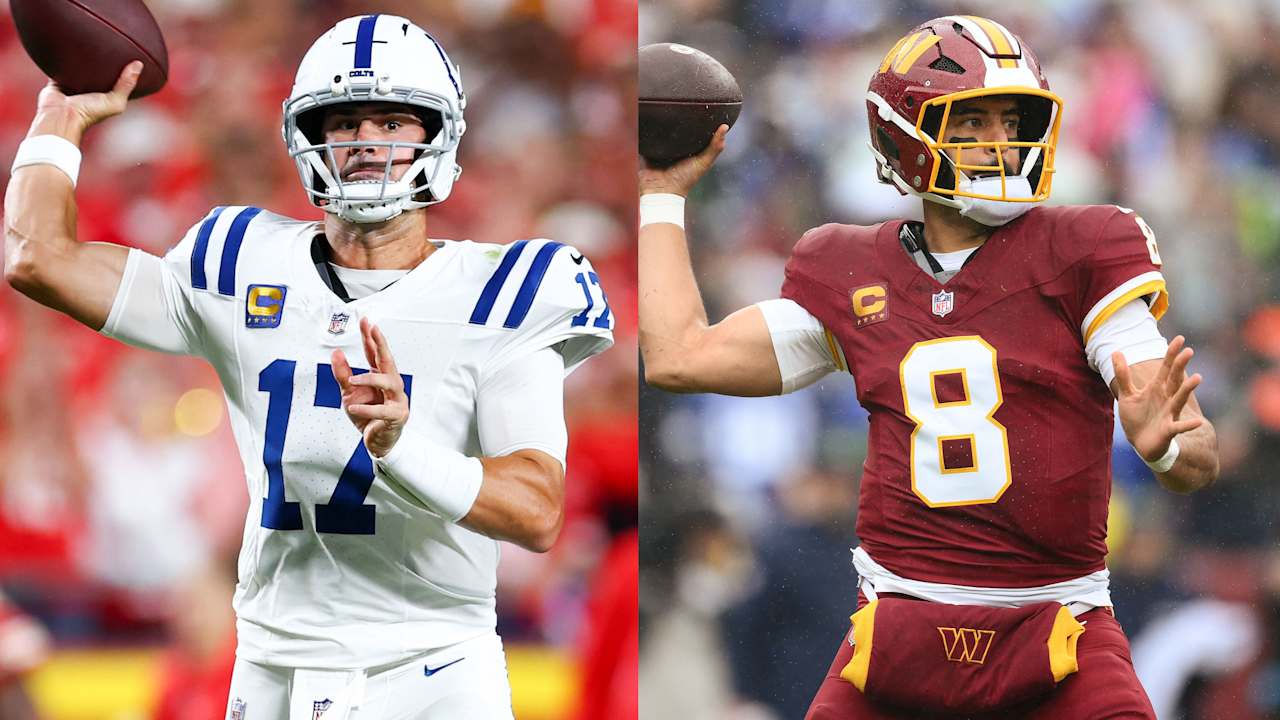
The NFL is taking Washington to London for one reason: its $110 billion media machine needs new places to sell the same game.
The game is the product. London is the distribution strategy.
On Sunday, October 4, the Washington Commanders host the Indianapolis Colts at Tottenham Hotspur Stadium. Jayden Daniels, Terry McLaurin and Stefon Diggs are the names on the poster; the NFL Network broadcast, NFL+, Sky Sports, Channel 5, DAZN and the stadium hospitality machine are the actual business story. ([support.nfl.com](https://support.nfl.com/hc/en-us/articles/41438702917268-How-to-Watch-NFL-International-Series-Games?utm_source=openai))
That might sound cynical. It is also how every serious sports league should think.
The NFL’s current national media-rights agreements with ESPN, CBS, Fox, NBC and Amazon were reported at more than $110 billion over 11 years. That is not a television deal in the old sense. It is an industrial-scale attention contract. The league has promised its partners a predictable supply of premium live inventory, and it now needs to prove that American football can be monetised well beyond American lounge rooms. ([espn.com](https://www.espn.com/nfl/story/_/id/40164039/private-equity-nfl-ownership-proposal-changes?utm_source=openai))
The Commanders-Colts game is the first of three consecutive London dates in 2026. The NFL has scheduled nine international games this season across the United Kingdom, Spain, France, Germany, Mexico, Brazil and Australia. That is no longer an occasional overseas stunt. It is a market-entry plan with helmets on. ([amp.nfl.com](https://amp.nfl.com/news/2026-nfl-schedule-release-nine-international-games-dates-times-matchups?utm_source=openai))
And this is the bit most fans miss: the league is not merely exporting a game. It is exporting the full stack—tickets, hospitality, sponsorships, licensed merchandise, media subscriptions, data, betting integrations and future fan habits.
Jayden Daniels is the bait. Recurring revenue is the prize.
A brilliant athlete gets attention. A league gets wealthy by turning attention into repeatable transactions.
Jayden Daniels is a perfectly sensible face for that pitch. He took the Commanders to the NFC Championship Game in 2024, and the NFL’s own London preview is happy to frame the game around Washington’s offensive firepower: Daniels, McLaurin, Diggs and the broader story of a franchise trying to turn star power into wins. ([amp.nfl.com](https://amp.nfl.com/news/2026-nfl-schedule-release-nine-international-games-dates-times-matchups?utm_source=openai))
But a league doesn’t fly a team across the Atlantic because one quarterback is exciting. It does it because the superstar makes the first sale easier.
First you sell a London fan a ticket. Then a jersey. Then a streaming subscription. Then perhaps a trip to another game, a fantasy product, a betting product where legal, a sponsor’s offer, or an NFL game overseas next year. The best businesses do not confuse the first purchase with the business model. The first purchase is simply permission to keep selling.
The NFL’s recent betting-partner agreements make that point brutally clear. DraftKings, FanDuel and Fanatics Betting and Gaming signed multi-year commercial deals ahead of the 2026 season. Those agreements include use of NFL marks, access to tentpole events and access—through Genius Sports—to official play-by-play data, Next Gen Stats and BetVision. ([amp.nfl.com](https://amp.nfl.com/news/nfl-draftkings-fanduel-fanatics-sports-betting-partners?utm_source=openai))
That is not just logo placement. It is the conversion of live sport into a data-rich, always-on commercial product.
Fans can rightly argue about whether betting makes sport better or worse. From an operator’s viewpoint, though, the lesson is simple: the most valuable customer is not the person who watches once. It is the person who has reasons to stay engaged between kick-off and the following week.
Tottenham built a stadium that behaves like a business
Tottenham Hotspur Stadium is not just a nice place to stage an NFL game. It was designed to be commercially useful when Tottenham are not playing.
The venue has a bespoke NFL playing surface beneath its grass football pitch, and Tottenham’s expanded agreement with the league runs through the 2029-30 NFL season, requiring at least two regular-season NFL games at the stadium each year. Tottenham calls it the official home of the NFL in the UK. ([tottenhamhotspur.com](https://www.tottenhamhotspur.com/media/oacdypfd/v4_newclublogo_spurs_bluebook_amends-20-march-2025.pdf?utm_source=openai))
That is what a proper modern sports asset looks like: one expensive piece of infrastructure earning from multiple products.
Too many stadium debates begin with the wrong question: “Can we afford the stadium?” The sharper question is: “Can this asset earn money on enough days, from enough customers, in enough categories that it stops behaving like a monument and starts behaving like a platform?”
Tottenham’s own financial reporting has made the logic plain. Its revenue reached £549.6 million in the year ended June 2023, driven in part by Champions League participation and the ability to host major third-party events at the stadium. ([tottenhamhotspur.com](https://www.tottenhamhotspur.com/media/v24hfkyo/tottenham-hotspur-limited-300623.pdf?utm_source=openai))
That does not mean every club can build a billion-pound palace and call itself clever. Plenty of owners have torched money with shiny buildings and optimistic spreadsheets. The point is narrower: if you own a venue, dead calendar days are financial cowardice.
The NFL benefits too. It gets a purpose-built London home, a premium setting for sponsors and clients, and a place where the league can teach a foreign market that NFL Sunday is not a novelty—it is an annual ritual.
The overlooked angle: international games are also leverage at home
Here is the contrarian bit. The international strategy is not only about winning London, Madrid or Melbourne.
It makes the NFL more valuable in the United States as well.
Why? Because international growth gives every media partner, sponsor and investor a bigger story to buy into. A broadcaster is not simply purchasing domestic Sunday games. It is buying a sport with a longer runway, more time zones, fresh event windows and a plausible global fan base.
That matters when the next rights negotiation comes around. It matters when sponsors decide where to allocate global budgets. And it matters when an NFL team owner explains why a minority stake should command a ludicrous valuation.
The ESPN-NFL transaction announced in 2025 is another clue. ESPN agreed to acquire key NFL Media assets—including NFL Network, NFL RedZone distribution and NFL Fantasy Football—in exchange for a 10% equity stake in ESPN. ([espnpressroom.com](https://espnpressroom.com/feature/espn-earns-sbj-2026-media-company-deal-of-the-year-honors/?utm_source=openai))
Look at the direction of travel. Distribution is no longer cleanly separate from ownership. Content is no longer cleanly separate from data. A broadcaster is no longer merely renting games for a season. Everyone wants a slice of the ecosystem because the ecosystem is where the compounding happens.
That should make traditional club owners slightly nervous. The league is becoming more powerful relative to the individual team because the league owns the national narrative, the global expansion plan and the relationships that turn one game into a dozen revenue lines.
The Commanders and Colts get the exposure. The NFL keeps the flywheel.
Don’t confuse global ambition with automatic demand
There is a trap here, though. Sports executives adore saying “global” because it sounds like growth without limits.
It isn’t.
A game in London has costs: travel, disruption, player recovery, operational complexity and the risk that local fans decide the spectacle is enjoyable but not habit-forming. You do not create a durable market by dropping in once, taking a few photos near Big Ben and flying home with a sponsor deck full of buzzwords.
The NFL’s better move has been repetition. London gets a three-week run in 2026, while Tottenham has a long-term agreement to host multiple regular-season games annually. That is how habits form: predictable dates, familiar distribution, increasingly local commercial partners and enough continuity for fans to care which teams are playing. ([amp.nfl.com](https://amp.nfl.com/news/2026-nfl-schedule-release-nine-international-games-dates-times-matchups?utm_source=openai))
Still, repetition only works if the product remains premium. Send weak matchups abroad every year and fans will work out they are being offered the leftovers. Send meaningful games featuring stars such as Daniels, McLaurin and Diggs, package them well and make access painless, and the market has a chance.
The lesson for the NFL is not “go everywhere.” It is “earn the right to stay.”
What this means for you
Whether you run a startup, a fund, a local business or a big company, steal the useful part of the NFL’s playbook—not the chest-beating.
First, build for repeat transactions, not single sales. Your first customer purchase is not success. It is the beginning of the relationship. Ask what logical second, third and tenth purchase sits behind the first one.
Second, turn expensive assets into platforms. Tottenham’s stadium works harder because it can host football, NFL games, concerts and more. Look at your own assets—brand, audience, customer data, physical space, software, expertise—and ask what else they can do when they are not performing their obvious job.
Third, use stars to open doors, then deliver a system. Jayden Daniels gets attention. The NFL’s media, sponsorship, streaming and data machinery turns that attention into money. In your business, personality may win the meeting. Process wins the account.
Finally, expand only where you can return. A new market is not a press release. It is a commitment to distribution, local partnerships and patience. If you cannot show up again, support the customer and make the economics work after the launch party, you are not expanding. You are sightseeing.
The NFL’s London game is not really about whether the Commanders or Colts win on Sunday. It is about whether the richest league in sport can keep turning a three-hour game into a global habit. So far, the smart money is that it can.