NFL’s 2026 Melbourne Game: Rams Turn One Match Into Australian Revenue
The NFL is not playing a game in Melbourne. It is buying an Australian customer base with one 100,000-seat sales presentation.
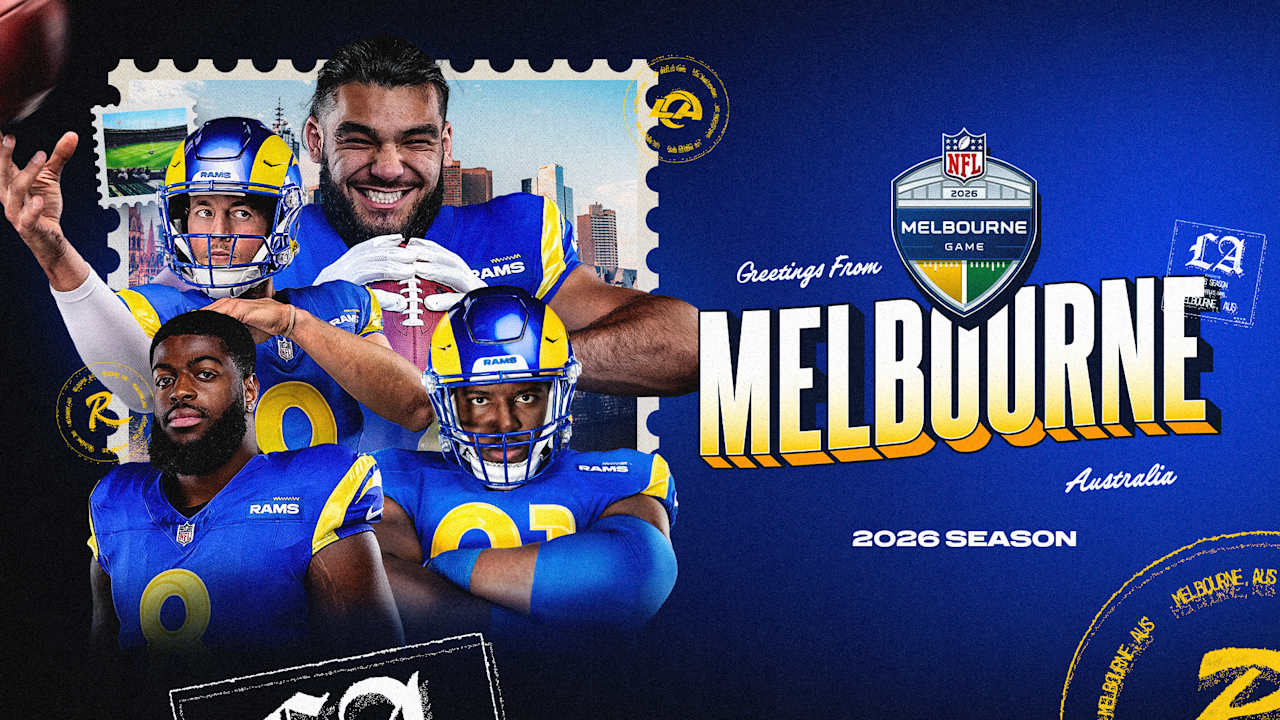
The NFL is not playing a game in Melbourne. It is buying an Australian customer base with one 100,000-seat sales presentation.
That is the honest read on the San Francisco 49ers versus Los Angeles Rams at the MCG. On Thursday, September 10 in the United States — Friday, September 11 in Melbourne — the NFL will stage its first regular-season game in Australia. Netflix carries it in the US. The Rams and 49ers get a season opener. Melbourne gets a blockbuster. But the biggest winner could be the league’s long-term ability to sell American football to Australians without pretending it is a niche export.
Good business is rarely about one transaction. It is about creating an asset that makes the next 100 transactions easier. The NFL understands this better than almost anyone.
The Rams are not giving up a home game for sentiment
The Los Angeles Rams are the designated home team for the Melbourne game, and that matters. Home games are valuable inventory: tickets, suites, parking, local sponsorships, hospitality, merchandise, broadcast exposure and the general commercial advantage of having your crowd in your building.
You do not shift that inventory to the other side of the world because someone sends a nice invitation.
The Rams have held NFL Global Markets Program rights in Australia since 2022. The Philadelphia Eagles also have Australian rights, while the Las Vegas Raiders and Seattle Seahawks were added to the market in 2025. Those rights are not ornamental. They exist so clubs can build fan bases, run events, sell sponsorships and create commercial opportunities beyond America.
That is the bit plenty of sports fans miss. An NFL club is no longer just a local sporting team with a national television deal. It is a media, hospitality and sponsorship machine with permission to hunt for customers in selected foreign markets.
Stan Kroenke’s Rams already sit inside a global sports empire. So Melbourne is not a random punt. It is a deliberate extension of a strategy: put the blue-and-yellow brand in front of a huge audience, give Australian companies a reason to buy into it, and make future trips, merchandise sales and sponsor conversations much easier.
The 49ers are a proper opponent for the assignment. Brock Purdy, George Kittle, Fred Warner and Trent Williams are recognisable stars. The Rams bring their own heavyweight NFL brand. This is not a pre-season exhibition with blokes nobody has heard of. It is a divisional game that counts in the standings.
That distinction is the whole game.
Netflix is buying more than a Thursday night broadcast
Netflix will carry the 49ers-Rams game in the US, with pregame coverage starting at 6:30 p.m. Eastern and kickoff at 8:35 p.m. Eastern. The platform’s NFL footprint in 2026 also includes a Thanksgiving Eve game, two Christmas Day games, a Week 18 matchup and NFL Honors.
That is not Netflix dabbling in sport. That is Netflix building a calendar of moments when people are willing to show up live, watch advertising and talk about a program at the same time.
Live sport is valuable because it reverses the basic economics of on-demand television. A drama can be watched whenever someone gets around to it, often without ads. A live NFL game is an appointment. If you want to be part of the conversation, you watch now. That creates scarcity, and scarcity is where the money lives.
The overlooked piece is commercial distribution. EverPass has signed a multi-year agreement with Netflix to put its NFL slate into bars, restaurants and other commercial venues across the United States. That means the Melbourne game is not merely an app-based stream in someone’s lounge room. It becomes licensed inventory for venues trying to pull in customers on a Thursday night.
That is how sport keeps expanding its revenue base. One game produces several products: a ticketed event in Melbourne, a Netflix broadcast, advertising inventory, commercial-venue programming, sponsor activations, merchandise and a global social-media event.
If you run a business, take note. The clever move is not simply finding another way to sell the same thing. It is designing the product so different customers can buy different versions of the same moment.
Melbourne has bought a global billboard — but it should be clear-eyed
Victoria has a multi-year agreement to host NFL regular-season games. The state says Australia has 6.6 million NFL supporters, while the NFL has positioned the game as part of a broader international push.
Before this season, the league had played 62 regular-season games outside the US. In 2026, it expands its international slate across Melbourne, Rio de Janeiro, London, Paris, Madrid, Munich and Mexico City.
That tells you the strategy. The NFL is not testing whether international games work. That argument was settled years ago in London and Germany. It is now selecting cities where a live game can become a recurring commercial platform.
Melbourne is a logical choice. The MCG has scale, the city knows how to run major events, and Australia already understands tribal sport. We are not a country that needs to be taught why jerseys, arguments and a full stadium matter. We have built entire weekends around footy, cricket, racing and tennis.
But here is the blunt bit: governments love throwing around “economic impact” numbers as if every dollar spent by a visitor has fallen from the sky. It has not. Public money, disruption and opportunity cost are real. The value of a sports event is not proven by a press release or a packed hotel lobby.
The proper question is whether Melbourne turns this game into repeatable value: visitors who stay longer, companies that invest locally, broadcast relationships that grow, events capability that gets exported, and a reason for the NFL to keep coming back.
If it is only one loud Friday at the MCG, terrific — but expensive theatre. If it locks Melbourne into a bigger international sports pipeline, it becomes an investment.
The contrarian view: this game is not primarily about Australian viewers
The obvious story is that the NFL wants Australian fans. True, but incomplete.
The more valuable story is that the NFL wants Australian corporate money and global proof that it can manufacture demand anywhere. Those are different things.
An Australian fan buying a cap is nice. An Australian company buying a multi-year sponsorship, hospitality program, customer-entertainment package or international partnership is much nicer. A local broadcaster gaining a stronger NFL product matters. A government deciding the event is worth repeating matters. A global brand seeing that the NFL can fill the MCG matters even more.
This is why the Rams’ pre-game work matters. The club’s Australian activity has included fan events and a partnership with National Storage, its first Australian partner. None of that is headline material compared with Purdy throwing a touchdown or Kittle flattening someone. But it is the commercial plumbing that turns a one-off game into a market.
Sport is full of people obsessed with the main event and blind to the distribution. Investors should usually look the other way around.
The game is the advertisement. The asset is the customer database, the sponsor relationships, the brand familiarity and the permission to come back with a better commercial offer next time.
The risk: Americans can export a product without building a habit
There is a trap here. Sports leagues often confuse attention with adoption.
A sell-out crowd at the MCG does not guarantee Australians will watch NFL every week. A pile of Rams jerseys does not guarantee people will become Rams fans. And one successful Netflix broadcast does not automatically mean the league has cracked the streaming code outside the US.
The NFL has advantages most leagues would kill for: scarcity, elite production, recognisable stars and a product that travels well on television. But Australia is not an empty market waiting to be conquered. Sport here is brutally competitive. AFL, NRL, cricket, football, tennis and racing already own attention, loyalty and sponsor budgets.
The answer is not to arrive once every few years, make a lot of noise and disappear. It is to create a rhythm: youth participation, local partnerships, accessible broadcasts, player visits, credible fan communities and regular games that matter.
That takes patience. Fortunately, patience is much easier when you have the NFL’s media economics behind you.
What this means for you
Whether you run a startup, invest your own money or manage a business unit, there are three useful lessons here.
First: do not confuse the event with the business. The Rams-49ers game is exciting, but the real value sits in what it allows the NFL, Netflix, the Rams and Melbourne to sell before and after kickoff. When assessing any opportunity, ask what recurring asset is being built beneath the headline.
Second: use your biggest moment to enter a market, not merely celebrate in it. The Rams did not wait until game week to discover Australia. They had market rights, fan activity and local commercial partners in place. If your business is expanding geographically, do the dull relationship work before the big launch. Otherwise you are just throwing an expensive party.
Third: make one product earn in multiple ways. The NFL has turned a single match into stadium revenue, media programming, advertising, venue distribution, sponsorship, tourism and merchandise. Most operators leave money on the table because they sell one version of their product to one buyer. Find the adjacent buyer, build a legitimate offer for them, and make the economics work without wrecking the core experience.
That is the real lesson from Melbourne. The NFL has not travelled to Australia for a game of gridiron.
It has travelled here to build another cash register.
Sources
- NFL 2026 Melbourne Game: American Football in Australia and New Zealand
- From Week 1 to Super Bowl week, Netflix’s new NFL footprint takes shape through 2029
- Los Angeles Rams announced as designated team for first ever NFL regular season game in Melbourne
- EverPass Media Expands NFL Offering Through Multi-Year Agreement with Netflix