NFL’s 9 International Games Put Cowboys-Ravens Field Risk in Focus
The NFL is exporting a $25 billion machine — and trusting a bumpy soccer pitch not to embarrass it. That is not global growth. That is a very expensive operational gamble.
The NFL is exporting a $25 billion machine — and trusting a bumpy soccer pitch not to embarrass it.
That is not global growth. That is a very expensive operational gamble.
The NFL’s Rio problem is bigger than a rough field
The Baltimore Ravens and Dallas Cowboys are scheduled to play at Maracanã Stadium in Rio de Janeiro on September 27, the second of a record nine NFL international regular-season games this season. The league is expanding across four continents, seven countries and eight stadiums. It has also said it intends to make these markets recurring fixtures, not novelty road trips. ([operations.nfl.com](https://operations.nfl.com/programs-initiatives/international-growth/nfl-international-games?utm_source=openai))
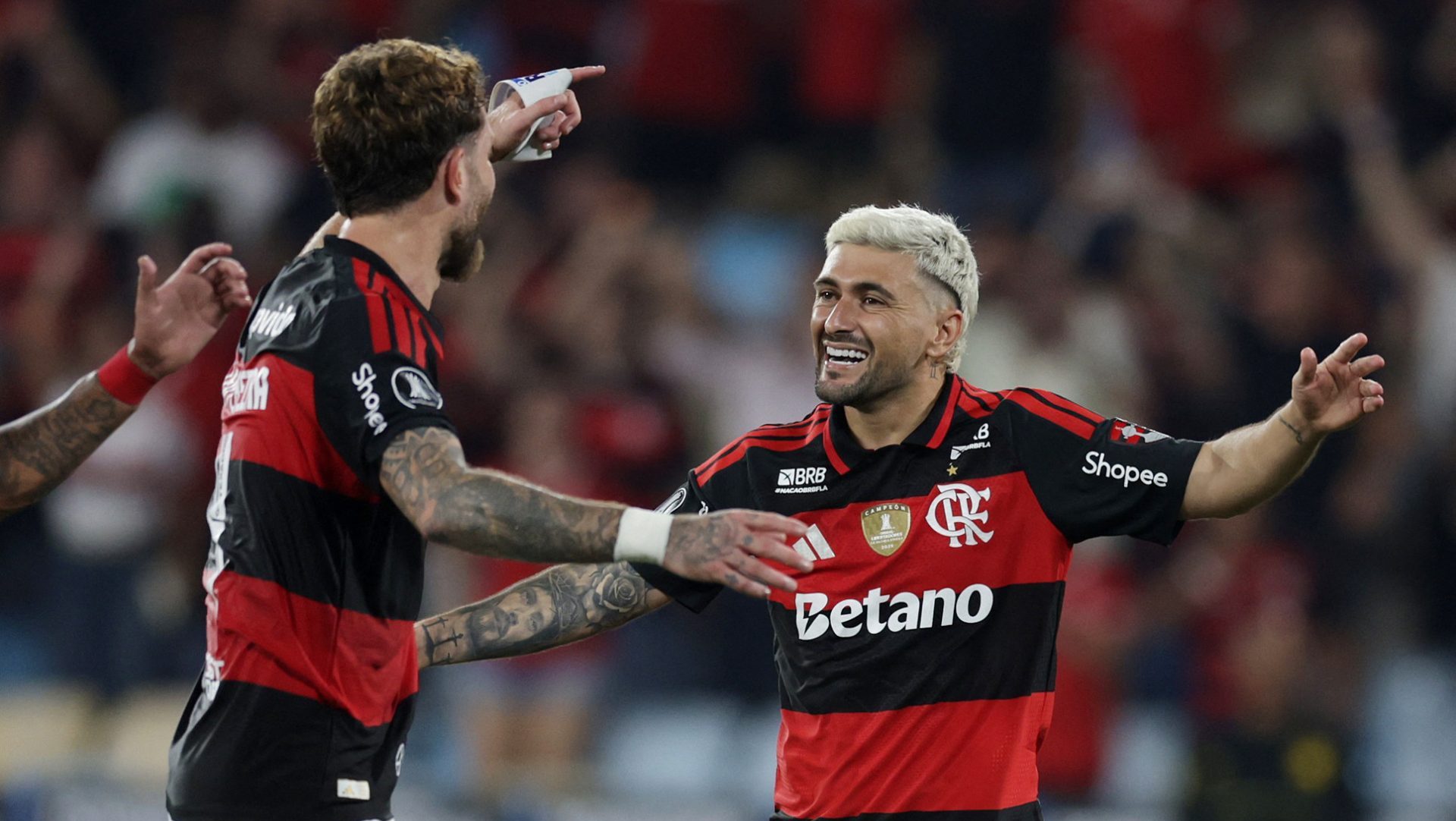
But the immediate issue is painfully basic: players from Flamengo, the Brazilian club that calls Maracanã home, have publicly criticised the pitch. Goalkeeper Agustín Rossi described visible problems in both penalty areas, while midfielder Giorgian De Arrascaeta said the deteriorating surface was making it harder to control the ball. The NFL says it has a plan for a high-quality playing surface; the NFLPA is aware and in contact with the league. ([frontofficesports.com](https://frontofficesports.com/article/ravens-cowboys-soccer-field-issues-nfl/))
Good. It bloody well should be.
Because when you are asking Lamar Jackson, Derrick Henry, Dak Prescott and the Cowboys’ travelling circus to play on a converted surface halfway around the world, “we have a plan” is not the finish line. It is the bare minimum. A global sports business does not get to call itself sophisticated if its most valuable on-field asset is exposed to a preventable operational mess.
The NFL has done this before. It shifted a 2018 Chiefs-Rams game from Mexico City to Los Angeles because of problems at Estadio Azteca. And the Packers-Eagles game in Brazil in 2024 generated complaints about its surface, albeit at a different stadium in São Paulo. The lesson is obvious: international expansion is not just about selling tickets and putting a logo on a city skyline. It is execution. ([frontofficesports.com](https://frontofficesports.com/article/ravens-cowboys-soccer-field-issues-nfl/))
Nine games is not a marketing stunt anymore
The lazy view is that overseas NFL games are nice promotional junkets: a few jerseys sold, a weekend of fan events, some corporate hospitality and everyone goes home with a selfie beside the Lombardi Trophy.
That was probably defensible once. It is not now.
The 2026 schedule includes games in Melbourne, Rio de Janeiro, London, Paris, Madrid, Munich and Mexico City. San Francisco opened the international slate against the Los Angeles Rams in Melbourne. Jacksonville has two London games. The Ravens-Cowboys game is followed by further fixtures in the UK, France, Spain, Germany and Mexico. ([operations.nfl.com](https://operations.nfl.com/programs-initiatives/international-growth/nfl-international-games?utm_source=openai))
The owners have already approved up to 10 international games beyond this season — the maximum currently allowed under the collective bargaining agreement. Commissioner Roger Goodell has spoken publicly about a longer-term target of 16. ([amp.nfl.com](https://amp.nfl.com/news/nfl-owners-approve-playing-up-to-10-international-games-beyond-2026-season?utm_source=openai))
Read that again. The league is not experimenting with international games. It is building an offshore distribution network for America’s most valuable sports product.
That changes how you should judge it.
A one-off game can survive a few dodgy details because novelty covers a multitude of sins. A repeatable business model cannot. Once you build schedules, media packages, sponsor commitments, travel products and local fan expectations around a market, every failure becomes a tax on confidence.
The field matters because the field is where all the other promises get tested at once.
The money is already too large for amateur-hour logistics
Sportico reported this month that the NFL is set to exceed Roger Goodell’s old target of $25 billion in annual revenue by the end of this season, after generating roughly $8.5 billion in 2010. It also put the average NFL franchise valuation at $9.3 billion. ([club.sportico.com](https://club.sportico.com/p/nfl-business-primer-2026))
Those figures are absurd in the best possible way. They also create a problem: the league has less room to stuff things up.
When an asset is worth $9.3 billion on average, its owners are not buying a football team. They are buying a global media, data, licensing, sponsorship and live-entertainment platform with a football team bolted onto the front.
The international games are how the NFL turns that platform into something more than an American monopoly.
Rio is a clean example. The league’s fan events and activations began on September 20 and run through game week. The package includes community programs, photo opportunities, merchandise, food and beverage, interactive activities and a halftime show featuring Pedro Sampaio and Ricky Martin. That is not just matchday theatre. It is a full commercial funnel: get locals into the NFL ecosystem, capture attention, sell product, build sponsor inventory and give broadcasters a reason to care between games. ([nfl.com](https://www.nfl.com/international/games/rio/event-info/fan-events?utm_source=openai))
And that is smart business — provided the actual game is excellent.
If the surface is poor, the game becomes a risk-management story. Broadcasters talk about injuries. Players complain. Fans see a compromised product. Sponsors get associated with a circus instead of a premium event. The league then spends the next week explaining why the thing it spent years selling as world-class was, in fact, a bit rough around the edges.
That is not catastrophic for the NFL. It is worse: it is avoidable.
The overlooked risk is not one injury — it is the precedent
Most people will frame this as a player-safety issue, and fair enough. Jackson and Prescott are franchise-level assets. You do not need an MBA to understand why clubs might get twitchy about sending a quarterback worth tens of millions in annual compensation onto an uneven surface.
But the second-order issue is precedent.
International growth needs cooperation from owners, coaches, players, broadcasters and local venue partners. Every shaky experience makes the next negotiation harder.
A team may accept an overseas designation because the league sells the long-term upside. A player may accept the extra travel because it is part of the collective deal. A broadcaster may promote a foreign-window game because it creates differentiated inventory. A sponsor may spend because the event reaches a new consumer.
All of them expect competence in return.
If the league delivers a first-rate experience, it earns permission to do more. If it delivers unnecessary chaos, it creates ammunition for every stakeholder who would rather stay home.
This is why execution beats vision. Plenty of executives can make a PowerPoint showing a map of the world with arrows pointing outward from America. The hard part is making every arrow land in a venue that is safe, broadcast-ready, commercially useful and capable of delivering the same standard fans expect in Dallas, Baltimore or anywhere else.
The NFL’s advantage is that it has enormous demand and a product that travels brilliantly. The danger is believing that demand excuses sloppiness.
It does not.
Here is the contrarian bit: the NFL should be harder on itself, not the stadium
There will be plenty of finger-pointing if Maracanã is not ready. At Flamengo. At local operators. At the grounds crew. At Brazil. That would be a cop-out.
The NFL chose the venue. The NFL chose the date. The NFL chose to make the Cowboys the designated home team. The NFL is the party that wants to scale this model from nine games to 10, and eventually perhaps 16. ([frontofficesports.com](https://frontofficesports.com/article/ravens-cowboys-soccer-field-issues-nfl/))
So the NFL owns the risk.
That is how good operators think. You do not outsource accountability just because someone else manages the grass.
The league should treat field certification, contingency venues, player consultation and conversion standards as core intellectual property. Not a checklist. Not a late-week inspection. A non-negotiable operating system.
I have built businesses where the customer only sees the final 30 seconds of an experience. They do not care about your suppliers, your staffing issue or the bloke who missed a deadline. They judge what is in front of them.
Sport is even harsher. A bad pitch is not hidden in the back end. It is on television for the world to see.
What this means for you
If you run a business, take the NFL lesson without needing a billion-dollar media deal.
First: do not confuse expansion with capability. Opening in a new market, adding a new product or signing a major client is not proof you can operate there. The new market exposes every weak process you were previously able to hide.
Second: protect the thing that creates the value. For the NFL, that is the players and the quality of the game. For you, it might be your best people, core product, customer trust or cash flow. Do not risk it for a flashy launch unless the operational foundations are nailed down.
Third: assign one owner to the outcome. Not five departments. Not an external supplier. One accountable person who knows that if it fails, it is their problem. That is how you stop “we thought someone else had it” from becoming an expensive sentence.
Fourth: judge ambition by repeatability. Anyone can pull off a launch once with enough adrenaline and overtime. The real business is whether you can do it again next week, next year and in five markets without lowering the standard.
The NFL is right to go global. Its $25 billion revenue machine has earned the right to think bigger.
But bigger only works when the boring bits are brilliant. In Rio, the grass is not a side issue. It is the test.