Nielsen to Acquire DoubleVerify for $2.15B
Nielsen is paying $2.15 billion for DoubleVerify because too much advertising is still bought on faith. If you cannot prove where your money went, you are funding someone else’s dashboard.
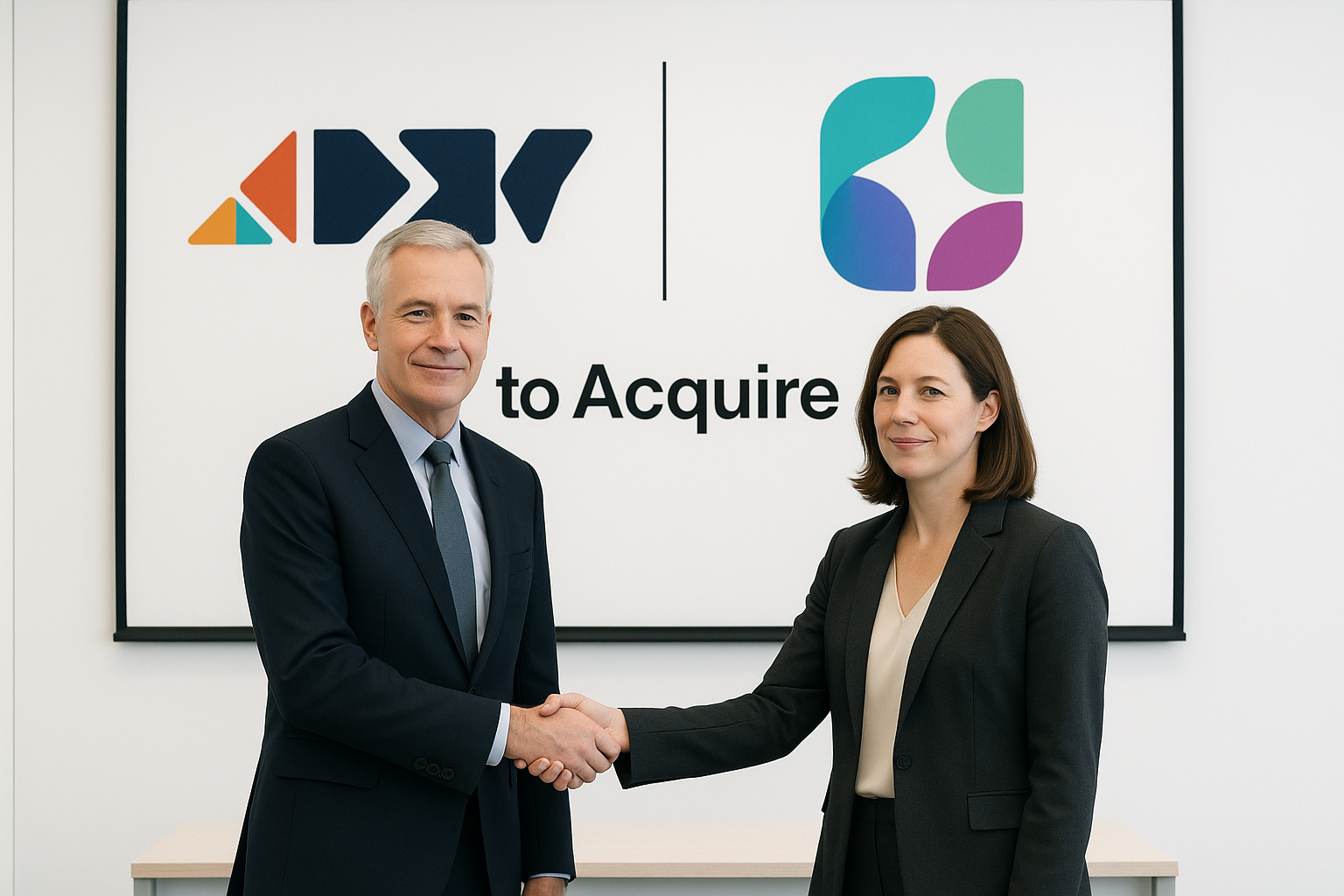
Nielsen is paying $2.15 billion for DoubleVerify because too much advertising is still bought on faith. If your marketing team cannot prove where the money went and what it did, you are not buying growth — you are funding someone else’s dashboard.
It is a giant, expensive warning label: the advertising industry has become so complicated, so automated and so riddled with dodgy incentives that proving an ad was seen by a real human in a suitable environment is now worth billions.
On August 6, 2026, Nielsen agreed to acquire DoubleVerify in an all-cash deal worth about $2.15 billion in enterprise value. DoubleVerify shareholders are set to receive $13.60 a share, a 30% premium to the company’s 60-trading-day volume-weighted average price as of August 5. The transaction is expected to close by the first quarter of 2027, subject to shareholder and regulatory approvals.
That is the news. Here is the real story: marketing is moving from buying attention to auditing reality.
Nielsen is buying trust because trust has become scarce
For years, advertisers have been sold a beautiful little fantasy.
Buy more targeted media. Add more tracking. Feed the machine more creative. Watch the dashboard light up with impressions, clicks, views, conversions and colourful arrows pointing in the preferred direction.
Lovely. Except a good chunk of that reporting ecosystem has always had a problem: the people selling the ads, the platforms measuring the ads and the agencies spending the budget all have reasons to make the numbers look healthier than they are.
DoubleVerify sits in the awkward but necessary middle. Its software is designed to help advertisers assess whether digital ads are viewable, free of invalid traffic and appearing in environments that meet brand-suitability requirements. It also provides tools around optimisation and outcomes measurement.
In plain English: it is the bloke checking whether the invoice matches the work.
Nielsen has traditionally been synonymous with audience measurement in television. But audiences, budgets and attention have all splintered across streaming, social platforms, mobile, digital video and whatever AI-powered format is about to land on a media plan next Tuesday. Buying DoubleVerify gives Nielsen a much deeper foothold in the operational guts of digital ad buying: verification, quality signals, campaign optimisation and outcome measurement.
Nielsen says the combined business is expected to generate more than $4 billion in pro forma revenue and expand its solutions to companies responsible for more than $300 billion in advertising spend.
That is not a bolt-on acquisition. That is a land grab for the control point between marketing budget and marketing truth.
The $2.15 billion question: who gets to mark their own homework?
The biggest claim in this deal is also the one worth watching most carefully: independence.
Nielsen and DoubleVerify are pitching the combination as a stronger independent measurement and media-intelligence platform. Advertisers desperately want that. They need someone outside the walled gardens, agency decks and self-reported platform metrics to tell them whether their money reached actual people in places that will not poison the brand.
Fair enough.
But scale has a nasty habit of changing the thing it scales.
The reason independent verification matters is simple: a marketer cannot sensibly rely only on the seller’s own scorecard. If a platform sells the ad inventory, sets the rules of its marketplace, reports the performance and controls the underlying data, it is not exactly an impartial referee. That does not mean the platforms are crooked. It means incentives matter, and adults should act accordingly.
Now Nielsen is paying a serious premium to bring DoubleVerify inside a much larger measurement operation. The deal could create a more useful, integrated system for advertisers. It could also concentrate more power in one major provider at the exact moment marketers should be demanding more checks, more methodological transparency and more alternatives.
That is the contrarian point nobody in a press release will put in bold: consolidation can make buying easier while making scepticism harder.
If one vendor becomes embedded in planning, audience measurement, verification, optimisation and outcomes, the client experience may become wonderfully tidy. But tidy is not the same as independently true.
As an investor, I love a business that becomes infrastructure. As a buyer, I get nervous when infrastructure becomes impossible to challenge.
AI will make the measurement problem worse before it makes it better
Every marketing conference in the world is currently telling executives that AI will make advertising faster, cheaper and more personal.
Sure. So will a chainsaw make gardening faster.
The relevant question is whether you know which plants you have just cut down.
Nielsen’s rationale for the acquisition explicitly leans into AI-driven planning, activation and optimisation. That makes commercial sense. AI can generate more ad variants, adjust bids, identify audiences and move budget faster than a human media team ever could.
But AI also scales rubbish with breathtaking efficiency.
If your inputs are dodgy, your attribution is half-fictional, your creative testing is too narrow and your customer data is a mess, AI does not solve the problem. It industrialises it. You will arrive at the wrong answer much faster, with a much more expensive dashboard explaining why you should feel pleased about it.
This is why verification and measurement are no longer boring back-office functions. They are strategic assets.
In a world of synthetic content, agentic media buying, questionable traffic and endless inventory, the brand that can distinguish genuine attention from machine-generated noise has an advantage. Not a philosophical advantage. A financial one.
The winners will not be the businesses with the most AI tools. They will be the ones with the discipline to stop spending when the evidence is weak.
The overlooked angle: brand safety is not a compliance exercise
Most companies treat brand safety like insurance paperwork. Necessary, dull, handed to someone in procurement after the creative work is done.
Wrong order.
Brand safety is brand strategy.
Every placement tells customers something about you. An ad appearing beside fraud, extremist material, rubbish AI content or a wildly inappropriate video does not just waste a few dollars. It transfers a bit of that ugliness onto your brand. Sometimes the customer notices. Sometimes they do not. Either way, you have made the brand cheaper.
And before the performance-marketing crowd starts rolling their eyes, this applies to direct response too. Cheap reach is often cheap for a reason. A lead generated through crap inventory may convert poorly, churn quickly, dispute payments, hammer customer service or never become a customer worth having.
The spreadsheet can show a tidy cost per acquisition while the business quietly fills with low-quality customers. I have seen versions of that mistake plenty of times. It feels like growth right up until it does not.
The smarter approach is to define what a valuable customer looks like before you buy media, then build measurement backwards from that reality. Not from clicks. Not from video-completion rates. Not from the number a platform happens to make easiest to export.
What this means for founders, operators and investors
You do not need a Nielsen-sized budget or a DoubleVerify contract to use the lesson here tomorrow.
First, make one person accountable for marketing truth. Not marketing activity. Truth. Their job is to reconcile spend, media quality, customer acquisition, retention and gross profit. If nobody owns that full picture, your team will optimise local metrics until the company gets poorer.
Second, ask every paid-media partner three blunt questions:
1. What percentage of spend reached real, viewable human attention? 2. What data did you measure yourselves, and what was measured independently? 3. Which customers acquired through this channel are still profitable after 90 days?
If the answers are vague, delayed or drenched in jargon, pull back the spend until you get a straight answer. You are not being difficult. You are behaving like an owner.
Third, separate cheap acquisition from valuable acquisition. Build a simple cohort view by channel: first purchase, repeat purchase, margin, refund rate, churn and referral behaviour. A channel that looks expensive at day 1 may be a bargain at day 90. A channel that looks brilliant at day 1 may be a bin fire by Christmas.
Fourth, do not outsource judgement to software. Measurement tools matter. Independent verification matters. But no platform can decide what your brand stands for, what customer you want or what trade-off you are willing to make for growth.
Nielsen’s $2.15 billion bet is a reminder that the next edge in marketing is not louder creative or a shinier AI prompt. It is knowing what is real.
The marketers who win from here will not be the ones who can manufacture the most activity. They will be the ones who can look at a pile of polished numbers, call bullshit when required, and move money toward the customers and channels that genuinely build the business.