Old Forester’s $199.99 Birthday Bourbon Is Selling Scarcity, Not Just 212 Barrels
Most $200 bottles are a tax on insecurity. Old Forester’s 2026 Birthday Bourbon proves the real product isn’t bourbon—it’s controlled access to 212 barrels.
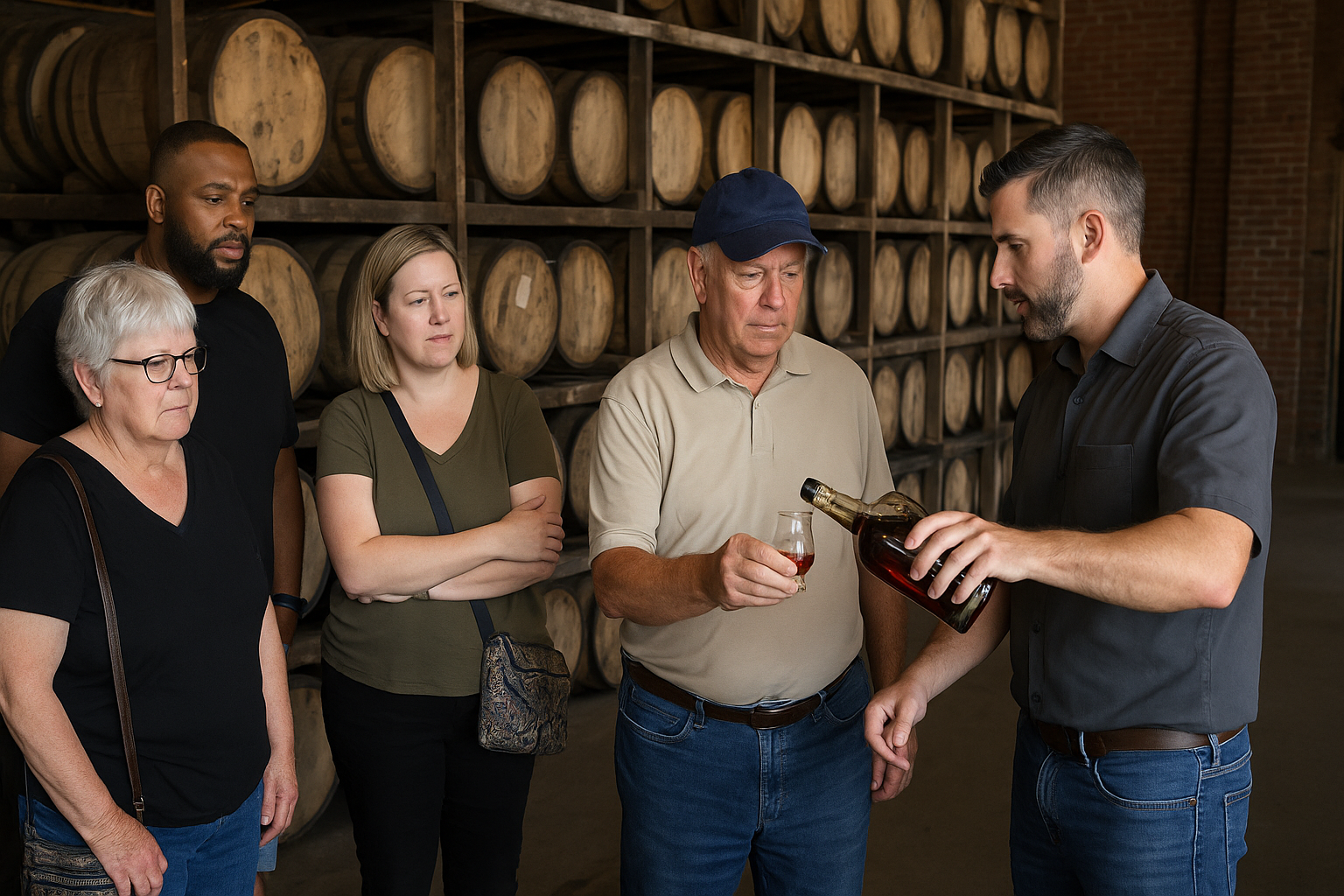
Most $200 bottles are a tax on insecurity. Old Forester’s 2026 Birthday Bourbon proves the real product isn’t bourbon—it’s controlled access to 212 barrels.
That is not a criticism of the liquid. It is a criticism of the lazy thinking around it. Plenty of drinkers will tell themselves they are buying an 11-year-old bourbon at 97 proof. What they are really buying is the chance to own something other people could not easily get.
Old Forester’s 2026 Birthday Bourbon is an 11-year Kentucky straight bourbon drawn from 212 barrels in Warehouse B at Brown-Forman’s Shively distillery. It is bottled at 97 proof and carries a $199.99 suggested retail price. The company selected the barrels with Master Distiller Emeritus Chris Morris and Assistant Master Distiller Caleb Trigo. ([forbes.com](https://www.forbes.com/sites/david-tao/2026/09/07/a-taste-of-old-foresters-2026-birthday-bourbon-11-years-old-and-97-proof/?utm_source=openai))
That is a proper premium release. But the more interesting business story is how Brown-Forman has turned a limited annual bottle into a lesson in pricing, distribution and desire.
The bottle is good. The access model is better.
In 2026, Old Forester did not run its usual in-store distillery release on September 2. Instead, it used a sweepstakes for the chance to buy a bottle at the Louisville distillery. The entry window has already closed, and the company says additional distillery opportunities may appear at random times rather than being announced in advance. ([oldforester.com](https://www.oldforester.com/birthday-bourbon-faqs/?utm_source=openai))
Read that again: the customer does not just buy a bottle. They qualify, wait, hope, travel if selected, and then pay for the privilege.
Most founders see friction and try to remove it. Brown-Forman has worked out that, for a small allocation of a highly desired product, friction can be part of the value proposition. Not artificial friction for the sake of annoying people. Friction that communicates one thing very clearly: this is not a commodity.
The mistake is assuming scarcity only works because supply is tight. That is half true. Scarcity works because the brand has spent years creating a credible reason for people to care.
Birthday Bourbon was introduced in 2002 to mark Old Forester founder George Garvin Brown’s September 2 birthday. The 2026 release comes from a brand with roots back to 1870, which matters because heritage in spirits only earns its keep when the product still feels alive. ([forbes.com](https://www.forbes.com/sites/david-tao/2026/09/07/a-taste-of-old-foresters-2026-birthday-bourbon-11-years-old-and-97-proof/?utm_source=openai))
There are hundreds of brands trying to charge silly money for a bottle with a story printed on the back label. Most have confused packaging with provenance. Old Forester has the better hand: a real history, an established annual ritual, a known production site, named people selecting barrels and enough transparency around the release to give enthusiasts something concrete to talk about.
That is how you earn the right to make a $199.99 bottle feel rational rather than ridiculous.
A six-day production quirk became a commercial asset
The 2026 edition has a small but revealing detail. After distillation, the new make sat in a cistern for six days over a long holiday weekend, longer than normal. As the tank vented, the barrel-entry proof landed at 124.4 rather than Old Forester’s usual 125. The release was then matured for 11 years in Warehouse B and bottled at 97 proof. ([forbes.com](https://www.forbes.com/sites/david-tao/2026/09/07/a-taste-of-old-foresters-2026-birthday-bourbon-11-years-old-and-97-proof/?utm_source=openai))
To normal people, that difference is microscopic. To a serious whiskey drinker, it is a conversation starter. To a good brand operator, it is exactly the kind of detail you do not bury in a technical sheet.
Here is the point: premium customers do not necessarily need a more complicated product. They need a product with specific, believable texture.
“Limited release” is not texture. Every man and his dog has a limited release.
“Only 212 barrels, selected from Warehouse B, after an unusual six-day cistern hold that shifted entry proof to 124.4” has texture. You can picture it. You can repeat it to a mate. You can decide whether it matters to you.
That is powerful because it gives the buyer a reason beyond status. The buyer can say, fairly, that this year’s expression is not simply last year’s bottle with a new sticker.
While building Agave Finder, I see the same thing in tequila and mezcal. Consumers are getting sharper. They want to know where a spirit was made, who made it, what was grown, what was aged, what was changed and why. They do not need every producer to write a doctoral thesis. But they can smell vague marketing from across the bar.
The brands that win the next decade will not be the ones shouting “premium” the loudest. They will be the ones giving people enough real detail to form a view.
The overlooked angle: $199.99 is not the whole price
The official price is $199.99. In North Carolina’s control-state listing, the 700ml bottle is priced at $199.95, which tells you the intended shelf price is real rather than pure marketing theatre. ([abc2.nc.gov](https://abc2.nc.gov/Pricing/ViewItemDetails/181890?utm_source=openai))
But the all-in cost for a customer can be much higher.
There is time spent entering lotteries. There is time watching retailer drops. There is travel for people selected to purchase at the distillery. There is the emotional energy of hunting something allocated. And then there is the temptation to pay an inflated resale price because you missed out.
That last bit is where sensible people become mugs.
I have no issue with someone buying a $200 bottle they genuinely wants to open with friends. Spend your money how you like. Life is short, and a great drink shared at the right table is not waste.
But paying multiples of retail because an internet stranger tells you it is “investment grade” is another game entirely. You are no longer buying whiskey. You are competing with collectors, flippers and people who have made scarcity their hobby.
The harsh truth is that most buyers do not need to win this game. They need a better drinking strategy.
If you love Old Forester’s profile, there are regular releases in the wider portfolio. If you want the annual Birthday Bourbon specifically, set a hard ceiling near retail plus a sensible convenience premium, then walk away when the market gets stupid. The bottle will not improve because someone else paid too much for it.
A brand should make money from its product. The customer should not volunteer to subsidise the secondary-market circus.
Brown-Forman is selling an annual appointment, not just a bourbon
The clever bit is the calendar.
Birthday Bourbon is attached to September 2, George Garvin Brown’s birthday. That gives the release an annual rhythm. It is not merely “new stock arriving in Q3.” It is an event that people anticipate, discuss and compare from year to year. ([forbes.com](https://www.forbes.com/sites/david-tao/2026/09/07/a-taste-of-old-foresters-2026-birthday-bourbon-11-years-old-and-97-proof/?utm_source=openai))
That distinction is bigger than it looks.
A product launch is a transaction. An annual appointment is a habit.
Habits are where good businesses become formidable. People put dates in calendars. They join mailing lists. They make pilgrimage plans. They create content. They argue about proof points, warehouse floors and whether this year is better than the last one. The company does not need to manufacture all the attention because the customers do a chunk of the work themselves.
Old Forester has also tied this year’s release to a limited Alpha Industries jacket priced at $250 and scheduled to launch on September 10. That will annoy purists, but I think it is commercially sensible. ([forbes.com](https://www.forbes.com/sites/david-tao/2026/09/07/a-taste-of-old-foresters-2026-birthday-bourbon-11-years-old-and-97-proof/?utm_source=openai))
Not because every spirits brand needs a bloody jacket. They do not.
It works here because Old Forester is not pretending the jacket is the bourbon. It is extending a world around a product with enough identity to carry it. The danger comes when weak brands use merchandise to compensate for weak liquid, weak distribution or no reason to exist.
Merchandise should be dessert, not dinner.
What this means for you
If you are a founder, stop treating “premium” as a price point. Premium is evidence plus discipline.
Give customers precise details they can use: batch size, production choices, dates, ingredients, source, constraints and trade-offs. Then make sure those details actually matter. A fake origin story or meaningless technical number will eventually get found out.
If you run an operator-led business, build rituals instead of endlessly chasing launches. A dependable annual event, product drop or customer moment can create anticipation that paid ads struggle to buy. But only if the underlying product earns repeat attention.
If you are an investor, watch whether a brand’s scarcity is deliberate or desperate. Deliberate scarcity comes with demand, consistency and a clear route to buy at a fair price. Desperate scarcity is a brand releasing tiny volumes because it cannot build broad demand.
And if you are buying the bourbon, keep your head.
At $199.99, Old Forester’s 2026 Birthday Bourbon is a considered luxury purchase with real production detail behind it. At some inflated panic price, it becomes a test of whether you can separate wanting something from needing to own it.
That is a useful skill in whiskey, business and life. The richest move is often not getting the scarce thing. It is refusing to let someone else’s scarcity game make decisions for you.