OpenAI ChatGPT’s $8 Go Plan Turns Advice Into an Ad Slot
If ChatGPT is helping you choose a supplier, a doctor or a holiday, it is no longer just answering you. OpenAI’s $8 Go plan has made the conversation itself an advertising surface.
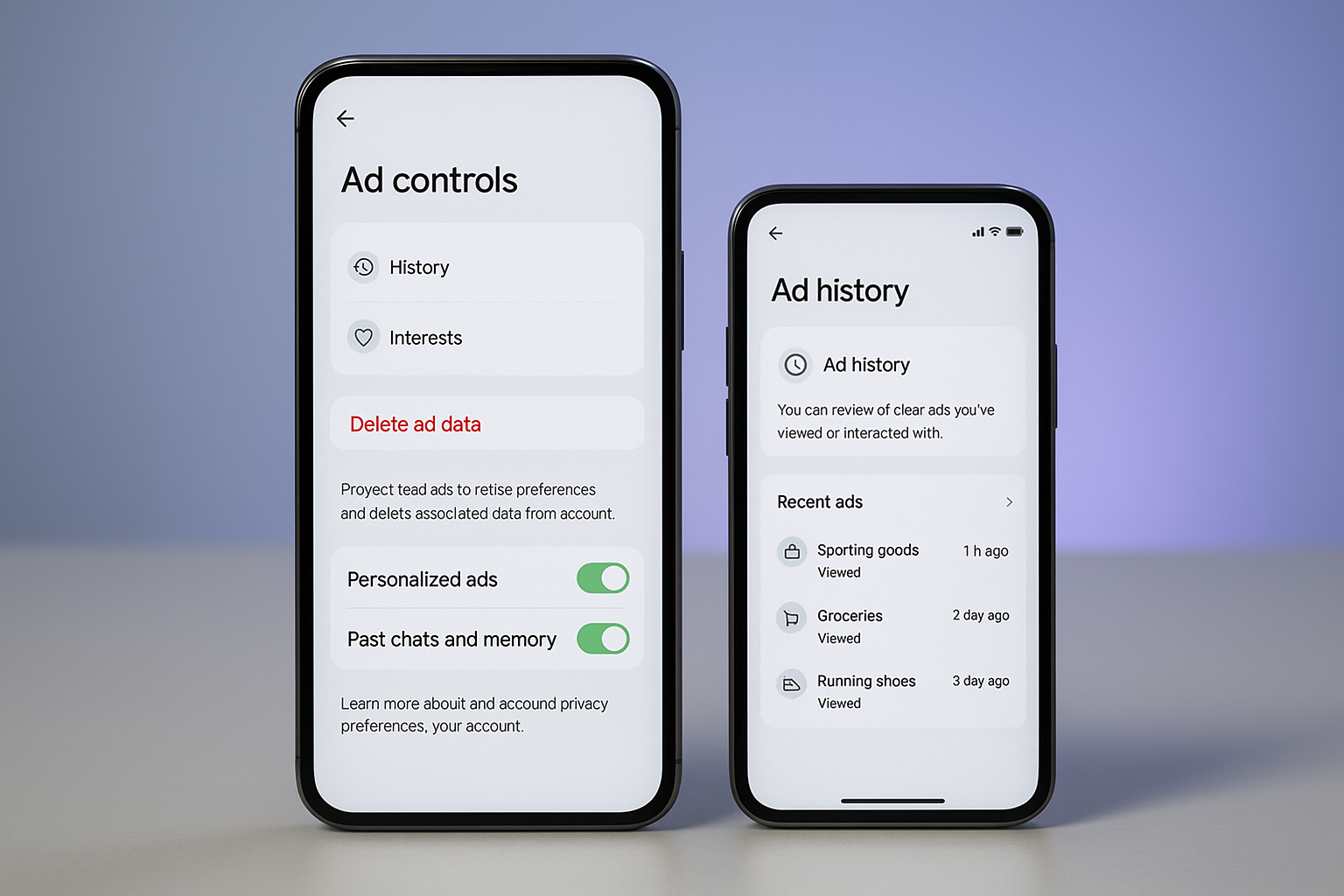
OpenAI has done the thing Sam Altman once called a last resort: it has put advertising inside ChatGPT.
That should make every founder, investor and ordinary punter a bit more suspicious of any “helpful” AI recommendation they receive from here.
The core story: ChatGPT is now an advertising product
On February 9, 2026, OpenAI began testing ads in the United States for ChatGPT’s Free and Go tiers. The Go plan costs US$8 a month in the US. Plus, Pro, Business, Enterprise and Education users were excluded from ads at launch.
The ad unit is not supposed to interrupt the answer itself. It appears beneath ChatGPT’s response, is labelled as sponsored, and OpenAI says advertising does not influence the answer the model gives. It also says advertisers do not get access to users’ conversations; they receive aggregate measures such as views and clicks.
Fine. That is the brochure.
The commercial reality is more interesting. OpenAI’s advertising system considers the context and intent of the current conversation. If ad personalisation is enabled, it can also use select signals from a user’s broader ChatGPT experience. In plain English: the product is designed to know what you are trying to do at the moment you are closest to making a decision.
That is a much more valuable position than a banner ad on a news site, and potentially more valuable than a traditional search ad. A search query tells Google what you typed. A long conversation can reveal the budget, the urgency, the alternatives you have rejected, the problem your team cannot solve and the emotional reason you want to solve it.
OpenAI has put guardrails around this. It says ads will not be shown to users it believes are under 18, and it excludes sensitive or regulated areas including health, politics and mental health. Users can dismiss ads, ask why an ad was shown, clear their ad-interaction history and turn off personalisation.
Those are sensible controls. They are not the point.
The point is that ChatGPT is moving from being a tool you consult into a place where commercial players can pay to sit beside the consultation.
Why the US$8 price matters more than the ad itself
Most people will look at the US$8 Go plan and think this is just clever price discrimination: pay a little less, accept ads; pay more, get a cleaner product.
That is too shallow.
The US$8 tier is the bridge between a free utility and a mass-market consumer platform. It captures users who value better access but do not value it enough to pay for a premium subscription. That is exactly the audience advertisers covet: engaged, price-conscious, actively researching and numerous.
For OpenAI, the logic is brutally simple. Running frontier AI products costs serious money. A company can charge subscriptions, sell enterprise seats and offer APIs, but the free user base still has to be financed somehow. Advertising turns a cost centre into inventory.
And unlike conventional digital advertising, the inventory is not a scrolling feed full of idle thumbs. It is an interaction in which somebody has asked for help. “Compare accounting packages for a 12-person business.” “Help me choose a laptop.” “Plan a trip.” “Which CRM should I buy?” “What tequila should I stock?”
That last category is precisely why operators should pay attention. When people are making purchases with many choices and poor information, a trusted conversational interface can become the most powerful discovery layer in the market.
Not because it screams louder. Because it arrives after the customer has already admitted what they want.
The background nobody should ignore: AI is replacing the front door
For two decades, businesses learned the same trick: be discoverable when a customer searches Google. You fought for rankings, bought keywords, built landing pages and paid tribute to the search giant whenever organic traffic stopped being enough.
Now the front door is changing.
A customer does not need to search “best project-management tool Australia” and sift through ten blue links. They can ask ChatGPT to build a shortlist, explain trade-offs, compare pricing models and draft a procurement brief. That is useful. It is also a direct threat to businesses that have treated Google rankings as their moat.
The important change is not that OpenAI can sell an ad under a response. Plenty of companies can sell ads.
The change is that a chatbot can shape the shortlist before the buyer ever visits a company website. If your business is absent from that shortlist, your beautiful website and expensive performance-marketing machine may be sitting downstream of the real decision.
That is a nasty thought if you run a brand. It is also an opportunity if you move early.
OpenAI says ads are separated from organic answers and do not affect answer independence. I am not accusing the company of lying. I am saying the customer will not experience a neat legal distinction between “the answer” and “the sponsored option” as cleanly as a product team does.
When an assistant gives you a thoughtful answer and places a relevant paid option immediately beneath it, the assistant has still framed the purchase. That framing has value. Advertisers will pay for it. Users will absorb it, consciously or not.
The second-order implication: trust becomes a revenue line
The old ad-tech game was built on interruption. You were reading something, watching something or scrolling through something, and an advertiser shoved a message in front of you.
ChatGPT’s model is different. The user has handed over a question, often a private one, and expects useful judgement in return.
That makes trust the whole game.
If ads are irrelevant, clumsy or obviously manipulative, users will not merely ignore them. They will question the answer above them. That is a far bigger risk than a poor click-through rate. A social platform can survive being noisy. A decision assistant cannot survive being seen as compromised.
This is why OpenAI’s promise of answer independence matters so much. It is not a nice policy line. It is the asset being monetised.
There is another implication for investors. Advertising could make AI companies look more like the internet platforms that came before them: massive distribution, sophisticated targeting and enormous upside if they own intent. But it could also make their economics uglier. Ads create a permanent tension between maximising revenue and preserving a product that users trust with sensitive decisions.
That tension does not disappear because the ad sits below the answer.
The contrarian view: ads may make ChatGPT better for buyers
Here is the unfashionable bit: advertising inside ChatGPT is not automatically bad.
If I ask for a last-minute accountant, a freight provider or a replacement laptop, a clearly labelled, genuinely relevant option can be useful. Businesses need customers. Customers need choices. A good marketplace reduces friction.
The problem is not advertising. The problem is undisclosed influence and rubbish incentives.
A well-built version gives users control, explains why an ad appeared, protects sensitive conversations and keeps paid placement out of the answer itself. OpenAI says it is doing those things. Good. It should be held to them relentlessly.
The real test will be whether the best product still wins when it is not the highest bidder.
If the answer becomes a dressed-up funnel for whoever has the biggest ad budget, users will eventually smell it. And once they do, the whole advantage of conversational AI — trust at the point of decision — starts to rot.
What this means for you
If you run a business, do three things this week.
First, ask ChatGPT the questions your customers ask before they buy. Do not ask it whether your brand is good. Ask it to recommend solutions as a sceptical customer would: with a budget, a location, a problem and competing options. See whether you appear, how you are described and who sits beside you.
Second, tighten your factual footprint. Your pricing, product details, customer proof, service areas, comparison pages and independent reviews need to be clear and consistent online. AI systems cannot recommend what they cannot confidently understand.
Third, do not rush to buy ads just because a new channel exists. Test whether a sponsored placement produces a qualified lead, a sale or a repeat customer — not a flattering dashboard full of clicks. If the customer arrives with a vague question and leaves with no trust, you have bought traffic, not growth.
For investors, the lesson is even simpler: stop valuing AI businesses only by model capability and user numbers. Watch who owns the decision moment, who can monetise it without wrecking trust, and who becomes dependent on paying for access to someone else’s assistant.
That is where the next tollbooths will be built. And, as usual, the people paying the toll will be the ones who noticed too late.