P&G’s $3.8B Thorne Deal Is a $500M-Revenue Warning to Every Consumer Brand
P&G just paid $3.8 billion for a supplements brand with more than $500 million in annual revenue. That is not a vitamin deal. It is a brutal lesson in what trust is worth.
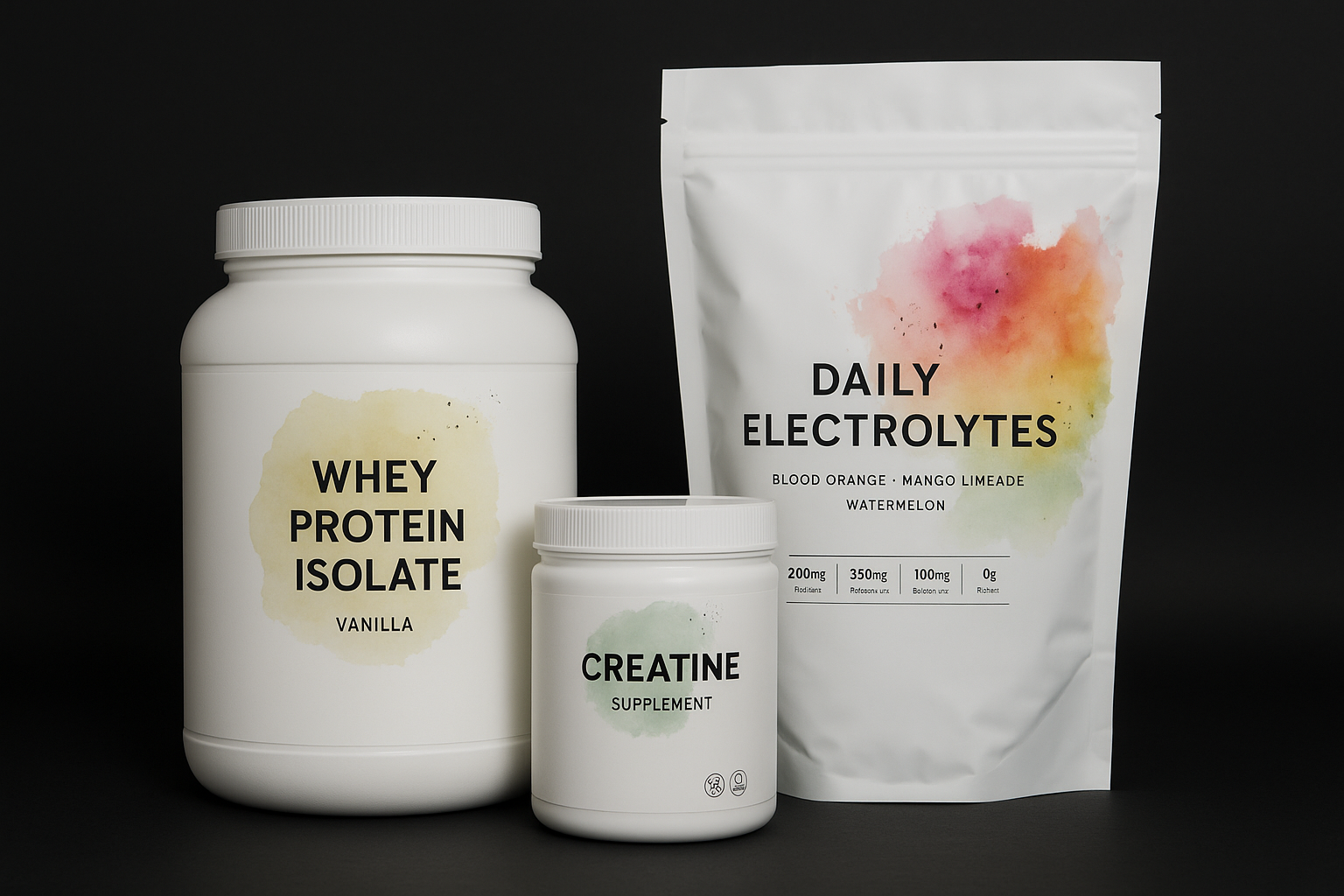
P&G just paid $3.8 billion for a supplements brand with more than $500 million in annual revenue. That is not a vitamin deal. It is a brutal lesson in what trust is worth when every supermarket shelf is drowning in cheap, interchangeable rubbish.
P&G did not buy pills. It bought permission to charge more.
Procter & Gamble has agreed to buy Thorne from L Catterton for $3.8 billion in cash, with closing expected later in calendar 2026, subject to the usual approvals.
On the surface, this looks simple: giant consumer-goods company buys hot wellness brand. Stick it in the Health Care division, fire up the distribution machine, sell more creatine, vitamins and personalised wellness products. Lovely spreadsheet. Everyone goes home.
That is not the real story.
The real story is that P&G is paying up for something most founders spend years pretending they have: earned credibility in a category where the customer is naturally suspicious.
Supplements are not detergent. With detergent, you buy the bottle, wash your shirts and decide whether they smell clean. With a wellness product, the customer has to make a far bigger leap. Is the ingredient real? Is the dose meaningful? Is it safe? Is the brand making promises it cannot keep? Is this another bloke on Instagram selling powdered optimism in a black tub?
Thorne built a premium position by leaning into science, quality and practitioner credibility. P&G’s own announcement makes clear that this was the attraction: not merely consumer interest in self-care and prevention, but the value of a brand associated with scientific rigour and health-care practitioners.
That is why the price matters.
At $3.8 billion against reported 2025 revenue above $500 million, P&G is paying at least roughly 7.6 times revenue. You do not pay that sort of number for a catalogue of commodity ingredients. You pay it because you believe the business can keep customers, keep pricing power and grow without needing to bribe every new buyer with a 30% discount code.
The $3.8 billion number tells you where consumer markets are heading
For years, consumer companies could win by being bigger, cheaper and louder. Better shelf placement. More TV ads. More coupons. More line extensions nobody asked for.
That game still exists, but it is getting harder. Consumers can compare ingredients in ten seconds. They can search reviews before breakfast. They can watch a credible expert dismantle a dodgy product claim before lunch. And they can buy a rival brand directly from their phone without asking Woolies, Walmart or anyone else for permission.
The result is brutal: the middle of the market gets crushed.
At one end, you have low-price basics and private label. At the other, you have trusted premium brands with a story customers believe. The dangerous place is in between: expensive enough to annoy people, undifferentiated enough to be replaced.
P&G already owns health and wellness brands including Metamucil, Align Probiotic and New Chapter. Thorne gives it a more direct position in premium supplements and personalised wellness, including products such as creatine and multivitamins.
But P&G is not merely broadening a portfolio. It is buying a seat in a category where consumers increasingly spend their own money to avoid future health problems, improve performance or feel more in control. That may sound a bit fluffy, but the commercial behaviour is dead serious. People will delay buying a new shirt. They are surprisingly reluctant to stop buying the product they think helps them sleep, train, focus or avoid getting crook.
That makes wellness an attractive category. It also makes it a dangerous one, because a brand can destroy years of trust by cutting a corner once.
The overlooked angle: scale can be an asset or a wrecking ball
Here is the uncomfortable bit for P&G: the very machine that makes this deal exciting is also the thing most likely to stuff it up.
Big companies are magnificent at supply chains, retail relationships, manufacturing discipline and global distribution. P&G has those muscles in absurd quantities. If Thorne’s products can move through more channels without losing their premium standing, P&G has bought a growth engine.
But premium wellness brands are not acquired for their operations alone. They are acquired for the relationship they hold in a customer’s head.
That relationship is fragile.
If P&G treats Thorne like a volume exercise — wider distribution, bigger promotions, cheaper formulations, more aggressive claims, more product launches — it risks turning a trusted specialist into just another mass-market brand with nicer packaging.
And once a customer decides you have cheapened the product, good luck winning them back. They will not write a formal resignation letter. They will quietly move to the next practitioner-recommended brand, tell their training group about it, and take their recurring revenue with them.
This is why founders need to stop thinking of brand as a logo, colour palette or ad budget. Brand is accumulated belief. It is what customers assume when you are not in the room to explain yourself.
Thorne’s value is not just in its products. It is in the customer’s willingness to believe those products deserve a premium.
That is an asset. It should be managed with the same paranoia you would apply to a factory, patent or major customer contract.
L Catterton has sold a business. P&G has bought a standard it must now maintain.
L Catterton is selling Thorne after owning it through its Flagship Fund. From the seller’s side, this is exactly what good consumer investing is meant to look like: find a business with genuine demand, help it grow, build the distribution and brand, then sell it to the strategic buyer that can take it further.
No complaints from me. That is the game.
But strategic buyers must remember they are usually paying for the future, not the past. P&G did not need to spend $3.8 billion to access a supplement formula. Formulas can be copied. Packaging can be copied. Influencer campaigns can definitely be copied — often badly.
What is hard to copy is a long-running reputation for quality in a category full of noise.
That is also why this deal should make every founder sit up. Your best exit multiple will not come from having the most features, the most SKUs or the most PowerPoint slides about total addressable market. It will come from owning a position that a larger buyer cannot build quickly enough on its own.
If a giant can replicate your business with a product team and a marketing budget, you are not strategic. You are a procurement exercise.
If customers trust you in a way the giant cannot manufacture overnight, now we are talking.
The contrarian view: the expensive part may be the customer list, not the science
There is a temptation to look at a premium wellness acquisition and say, “P&G must be buying breakthrough science.” Maybe partly. But do not get carried away.
The more practical explanation is often better: P&G is buying a group of customers who have already chosen a premium brand, established a habit and accepted a higher price point.
That is gold.
Recurring behaviour is where the money lives. A customer who trusts a brand enough to buy every month is worth far more than a one-off buyer who arrived through a flashy ad and disappears when the discount code expires.
This is the bit most founders overlook while obsessing over customer acquisition. You do not build a valuable company by renting attention forever. You build it by becoming part of the customer’s routine.
Thorne appears to have achieved that in a category with solid underlying demand and high emotional stakes. P&G is betting it can protect that relationship while applying scale around it.
That can work brilliantly. It can also fail spectacularly if the acquirer confuses distribution with devotion.
What this means for you
If you are a founder, operator or investor, here is the useful bit — not the cocktail-party version.
First: build trust into the product, not the copywriting. If your claims, quality control, customer support or pricing cannot survive scrutiny, no brand campaign will save you. People eventually work it out.
Second: measure repeat behaviour like your life depends on it. Revenue is nice. Repeat purchase, retention and willingness to pay without a discount are the numbers that tell you whether you own a real business or a temporary promotion.
Third: protect the thing customers actually value. If buyers choose you because you are independent, expert, fast, premium or unusually transparent, do not wreck that advantage chasing a bit of short-term growth. The spreadsheet will not warn you before trust starts leaking.
Fourth: make yourself hard to replace. A strategic buyer pays up when buying is faster and safer than building. Your job is to create an asset that cannot be recreated in two quarters by a company with more staff and a bigger cheque book.
And if you are an investor, stop dismissing premium consumer brands as fluffy. A brand with real trust, repeat demand and pricing power can be one of the hardest assets to copy.
P&G’s $3.8 billion Thorne deal is the reminder. In a market full of interchangeable products, credibility is not a marketing expense.
It is the whole bloody business.