Protect College Sports Act: $48M Roster Caps After 77-22 Senate Vote
A 77-22 Senate vote puts a $48 million roster framework on the table. College sport wants a controlled labour market without admitting what it is.
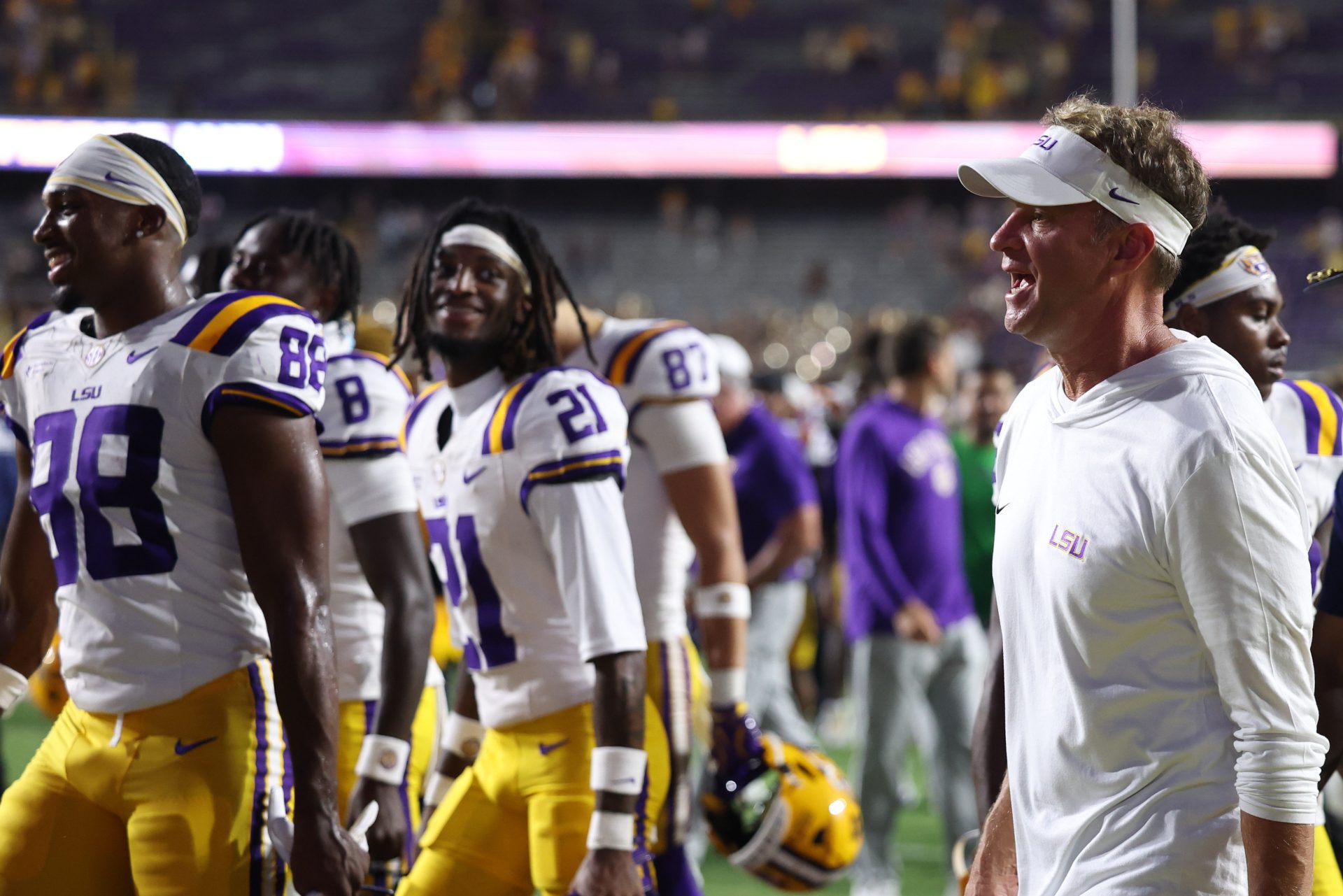
A $48 million athlete budget is not amateur sport. It is what the US Senate voted 77-22 to put on the table while giving the system limited legal protection to police the market.
And before anyone starts celebrating “certainty”, read the fine print: the Protect College Sports Act is not law, has not passed the House, and could still die before the new Congress is sworn in on January 3. But the Senate vote is a big deal because it tells you where the money is heading—and who is trying to control it.
The core story: a $48 million roster budget with a legal moat
The Protect College Sports Act passed the Senate on September 28 by a 77-22 vote after years of lobbying by the NCAA and the power conferences. Those groups have reportedly spent more than $10 million pursuing federal intervention. Fair enough: when your business model is being litigated, disrupted by state laws and raided through the transfer portal, you do not sit around waiting for fate.
The bill’s headline number is $48 million.
Under the proposed framework, schools could retain the roughly $21 million in direct athlete revenue sharing enabled by the House v. NCAA settlement. They could then spend an additional $22.5 million to retain current athletes, plus another $5 million for women’s and Olympic-sport athletes.
That is a serious escalation. For the biggest football programs—think Texas, Ohio State, Georgia, Alabama, LSU and Oregon—it means the roster is no longer merely an expense hidden behind scholarship language, NIL collectives and booster money. It becomes a budget line item that can be planned, financed and managed like one.
The bill would also preserve athletes’ rights to third-party NIL deals. But it is plainly designed to stop boosters and school-adjacent collectives from pretending that a six-figure “marketing deal” is anything other than player pay. Deals above $600 would need to be reported, with NIL activity feeding into an anonymised public database.
That transparency is overdue. The current arrangement has all the drawbacks of a black market and none of the glamour: everybody knows the money is moving, few know the real price, and everyone acts shocked when a player changes teams.
What the Senate is really trying to fix
College sports has spent years trying to preserve a quaint fiction: players are students first, even when television networks, betting companies, apparel brands, conferences, coaches and universities are making fortunes from their performance.
The fiction cracked. Then it shattered.
NIL arrived. The transfer portal turned player movement into an annual free-for-all. The House settlement formalised direct revenue sharing. Coaches kept jumping jobs for contracts worth many millions while players were told to respect tradition. Nobody who has built a business should be surprised by what happened next: valuable talent followed the money and the opportunity.
The PCSA is an attempt to turn chaos into a regulated market.
It would establish a one-time undergraduate transfer rule, permit another transfer for graduate school, introduce an age-based eligibility framework, regulate agents, and restrict certain mid-season coaching changes. The so-called “Lane Kiffin rule” would stop FBS head coaches and top coordinators from taking over another program during the same season.
That last bit is almost funny. College sport has suddenly discovered the value of continuity—right after years of treating athletes as the only part of the business expected to stay put.
The bill also requires Division I FBS schools with more than $80 million in annual athletic revenue to maintain participation opportunities in women’s and Olympic sports. That is a necessary guardrail. Once football becomes openly professionalised, every non-revenue sport becomes vulnerable to a spreadsheet with bad intentions.
The bit operators should not ignore: antitrust protection
The most consequential part of this bill is not the transfer rule or the NIL database. It is the limited antitrust exemption and federal pre-emption of conflicting state laws.
In plain English: college sports wants Congress to let it impose certain compensation, eligibility and transfer rules that could otherwise attract lawsuits.
That is where the argument gets uncomfortable.
Senator Chris Murphy said the legislation risks preserving a system the Supreme Court found could not continue under existing law. Senator John Kennedy compared the proposed player-pay restrictions to companies agreeing what to pay plumbers: price-fixing dressed up as orderly commerce.
He is not entirely wrong.
Every founder understands why incumbents love “industry standards” when competition starts hurting. Standards can protect customers, improve safety and reduce stupidity. They can also become a very polite cartel if the people setting them are the people who benefit from keeping costs down.
College leaders will say the alternative is an arms race that only a handful of programs can win. Also true. But do not confuse a better-organised market with a genuinely free one. The PCSA would give athletes more direct money and clearer rights, while also giving schools more power to set the boundaries.
That is the trade.
The overlooked angle: this is really a media-rights bill
Most people will focus on the $48 million player budget. Smart money should focus on the broadcasting clause.
The bill would allow schools to pool and sell media rights as a single package if 75% of FBS schools agree, while requiring that all Division I schools be offered a chance to participate. That will not happen tomorrow; current rights contracts would need to expire first. But it puts a giant idea on the table: a more centralised college-football media product.
The NFL has always understood the power of selling a clean, united package. College football has instead been a collection of conferences protecting their own pots of gold, with the SEC and Big Ten increasingly operating like rival empires.
A national package could create a larger rights asset, simplify the product for broadcasters and streaming platforms, and reduce the gap between the haves and the have-nots. It could also weaken conference power, change the economics of schools such as Clemson and Florida State, and make the Big Ten and SEC less able to dictate terms on their own.
That is why the bill also limits power-conference expansion. It would bar power leagues from merging, cap them at 20 members, and require a power-conference school to spend three years independent before changing leagues. That restriction would sunset after six years, but the message is obvious: Washington has noticed that college sport’s consolidation binge is not great for everyone else.
My contrarian view: the cap is not the problem—the dishonest cap is
I am not reflexively against salary caps. In a properly negotiated professional league, a cap can protect competitive balance, give owners cost certainty and create a sustainable business. But it works only when labour has genuine bargaining power and shares in the upside.
The problem is trying to build a cap around athletes while refusing to be honest about what they are.
If universities want a controlled labour market, call it one. Put player representatives in the room. Publish the rules. Make the revenue split clear. Build benefits, injury protection, education guarantees and post-career support into the economics. Do not sell a 19-year-old a speech about school spirit while negotiating a nine-figure media deal behind closed doors.
The PCSA takes a step toward honesty by codifying NIL and expanding direct payments. But it still tries to have it both ways: professional economics, amateur governance.
That tension will not disappear because 77 senators voted for a bill.
What this means for you
If you run a business, invest in sport, advise athletes or build around college audiences, take three lessons from this.
First: follow the rule-maker, not the headline. The real money is often made or lost before a rule takes effect. The House still has to act, amendments could send the bill back to the Senate, and the legislative clock runs out on January 3. Do not underwrite an investment assuming the $48 million framework is guaranteed.
Second: budget for transparency before you are forced into it. NIL’s reporting threshold may be just $600, but the broader message is much bigger. Murky compensation systems eventually attract regulators, angry participants or both. Clean records are not bureaucracy; they are leverage when a dispute begins.
Third: understand who controls distribution. In sport, the asset is not only the athlete or the team. It is the ability to bundle attention and sell it at scale. The media-rights provision could matter more over the next decade than this year’s roster rules. That is the kind of second-order change operators miss while everyone else argues about the transfer portal.
College sport is not going back to the old world. Good. The old world was profitable, chaotic and often hypocritical. The next one may be better—but only if the people running it stop pretending the players are not the business.