Rajasthan Royals’ $1.65B Deal Has a Problem: The CCI Wants More Answers
A $1.65 billion cricket deal has been stalled by a regulator saying the paperwork was not good enough. That is what happens when sport becomes too valuable to run on billionaire handshakes.
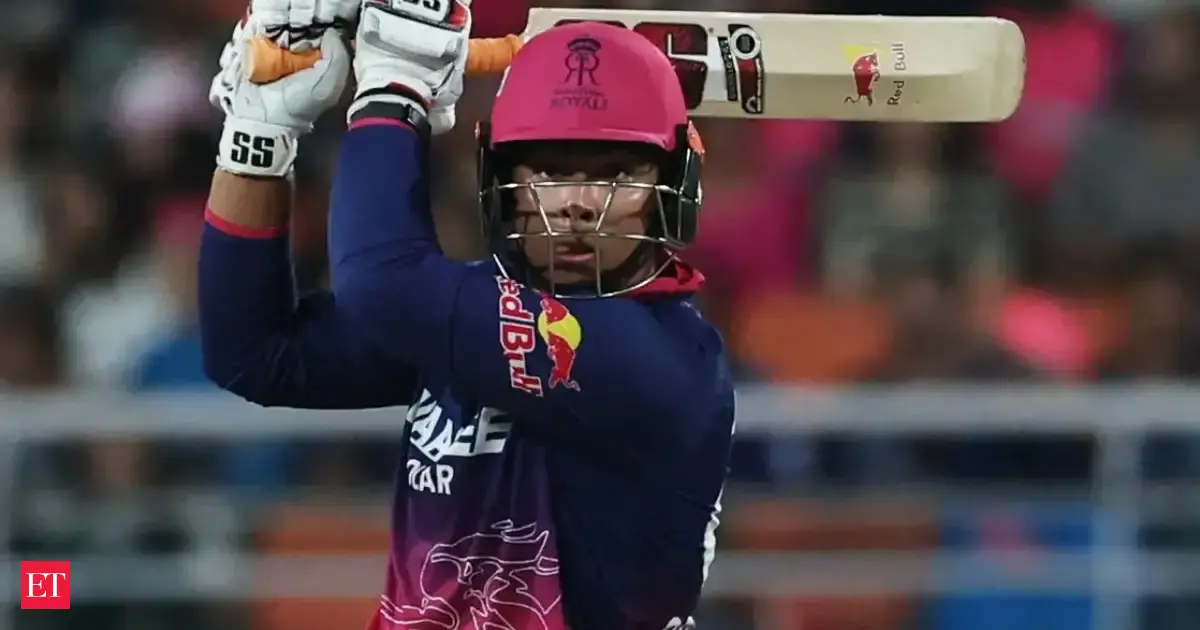
A $1.65 billion cricket deal has been slowed because a regulator effectively looked at the paperwork and said, “Try again.” That is not a disaster for Rajasthan Royals yet — but it is a useful reminder that the bigger sport gets, the less room there is for rich-bloke optimism.
The Competition Commission of India has asked for additional information on the proposed acquisition of the Rajasthan Royals ownership group by Lakshmi Mittal’s Westview Cricket and Adar Poonawalla’s Poonawalla Sports and Fitness. The filing was made on July 30, and the regulator has now issued a Request for Information because the material submitted was incomplete.
That sounds dry. It is not.
When a deal is valued at about $1.65 billion, every missing answer becomes expensive. Lawyers get busier. Closing timetables get less certain. Sellers lose the ability to celebrate. Buyers lose time. And the people who thought they had bought a glamorous sporting asset discover they have actually bought a highly regulated, multi-country operating business with fans attached.
The $1.65 billion deal is bigger than Rajasthan Royals
This is not simply a cheque for an IPL team featuring Yashasvi Jaiswal and teenage sensation Vaibhav Sooryavanshi.
The proposed transaction covers three franchise assets: Rajasthan Royals in the Indian Premier League, Paarl Royals in South Africa’s SA20, and Barbados Royals in the Caribbean Premier League. The target entities identified in the filing are EM Sporting Holdings and Royal Multisport, with Royal Multisport operating the Rajasthan Royals IPL franchise.
The ownership split tells you who is really in charge. The Mittal family, through Westview Cricket, is set to take roughly 75%. Poonawalla Sports is set to own 18%. Existing shareholders, including current principal owner Manoj Badale, would retain about 7%.
That is a proper transfer of control, not a celebrity investor buying a box at the ground and posting photos in team kit.
Mittal and Poonawalla did not wake up one Sunday and decide cricket might be fun. They are buying into one of the few sports properties that combines a huge domestic audience, scarce franchise slots, compressed seasons and the ability to export the same team brand into other cricket markets.
That last bit matters. The Royals package is an attempt to own a cricket platform, not just a Jaipur team. India is the engine. South Africa and the Caribbean are the distribution network. If the model works, the owners have a year-round commercial machine rather than a two-month party.
The deal has already had one near-death experience
Here is the part investors should not skip: this is not the first announced Rajasthan Royals deal of 2026.
In March, a consortium led by Arizona-based tech entrepreneur Kal Somani, including Rob Walton and Michael Hamp, emerged with a reported $1.635 billion bid for the franchise. That process did not close. By May, the Mittal-Poonawalla consortium had taken its place with a transaction valued at about $1.65 billion.
That sequence should sober up anyone who sees a headline number and assumes the money is in the bank.
A sports-team transaction has at least four prices. There is the number announced to the world. There is the equity cheque written by the buyer. There is the debt and other obligations wrapped into enterprise value. And there is the actual economic price paid after approvals, closing adjustments, conditions and whatever inconvenient facts surface in diligence.
People regularly confuse those four things because the bigger headline is sexier. Don’t.
The $1.65 billion figure is the enterprise value of the three-team Royals package. It is an enormous number, and it is plainly a vote of confidence in franchise cricket. But it is not a magic spell that makes regulatory approval automatic or future returns guaranteed.
The deal still requires approvals from the BCCI, the CCI and the IPL Governing Council. The parties had expected a third-quarter 2026 close. The new request from the CCI does not mean the deal is dead. It does mean the timetable now belongs partly to the regulator, not the billionaires.
Why the CCI’s request matters more than the market will admit
The parties have said there is no business overlap with the target entities in any plausible Indian market and that the transaction is unlikely to harm competition. Fair enough. But the CCI has asked for more information anyway.
That is the correct lesson: “We don’t see a problem” is not the same as “the regulator has enough material to clear the deal.”
For a founder, this is painfully familiar. You can be commercially right, strategically right and personally certain — then get held up because your data room is sloppy, your corporate structure is complicated, or your advisers assumed an obvious answer did not need explaining.
Sport owners are no different. They just make their messes in public, while wearing team caps.
The overlooked issue is that this is a cross-border sports portfolio. Rajasthan, Paarl and Barbados are not three identical shops in three suburbs. They operate in different competitions, countries, commercial environments and governance systems. A buyer needs to explain who owns what, which entities sit where, what other interests the buyers and their affiliates have, and where control genuinely rests.
That is not bureaucracy for bureaucracy’s sake. In sport, control over a franchise can affect media rights, sponsorship inventory, player pathways, related-party transactions, league rules and competitive integrity. Regulators and governing bodies have every reason to look properly.
If you are spending $1.65 billion, you should want them to.
The real bet is not cricket. It is scarcity.
Let’s be blunt: nobody pays this sort of money because they think gate receipts from a few home matches are going to make them rich.
They are paying for scarcity.
There are only so many IPL franchises. There are only so many chances to own a recognised team in the cricket market that matters most commercially. Once an asset has a deep fan base, regular national exposure and a league structure built to keep the number of teams limited, wealthy people will bid the price up.
This is the same broad logic that has driven NFL, NBA and Premier League valuations into the stratosphere. The asset is scarce, emotionally sticky and socially important. It can sell media, sponsorships, hospitality, merchandise, data, betting-adjacent attention and corporate access. It also gives owners something normal businesses rarely provide: a permanent public platform.
But scarcity cuts both ways.
It can justify a premium price. It can also hide weak operating discipline. A scarce asset can remain valuable even when the business underneath it is inefficient, because the next billionaire assumes there will always be another billionaire after them.
That is not investing. That is a game of musical chairs played with private jets.
The Mittal-Poonawalla group’s advantage is that it is not buying a blank slate. Badale remains involved, retaining a stake and providing continuity. That may be far more useful than another press release about “synergies.” Long-serving operators understand the league, the politics, the fans and the strange details that do not appear in an investment-banking deck.
The risk is that continuity can become an excuse not to make hard decisions. A new owner has to respect what built the brand without treating history like a management strategy.
The contrarian view: a delay can make the deal better
Most coverage treats a regulatory delay as automatically bad news. That is lazy.
A clean, well-documented approval process can be good for the buyers, the sellers and the league. It forces precision around ownership, governance and the assets being transferred. It makes the capital structure clearer. It reduces the chance that a nasty surprise appears after closing, when everyone has moved on and the lawyers start billing by the minute.
I have lost money by being too eager to get to the finish line. You convince yourself speed is a virtue because you want the prize. Then six months later you are paying for the things you should have checked before signing.
The CCI asking for more information is inconvenient. Inconvenience is cheap compared with buying a misunderstood asset.
There is another overlooked angle. The failed Somani-led process showed that a huge headline bid is not the finish line. A deal needs credible capital, a workable structure, regulatory clearance and the ability to close. The Mittal-Poonawalla group now has a chance to prove it has all four.
If it does, the Royals will have new majority owners with serious financial muscle and a multi-league footprint. If it cannot get the paperwork right, then the market should ask harder questions about the discipline behind the valuation.
That is not cynicism. It is adult investing.
What this means for you
Whether you run a startup, manage investments or are trying to buy a business, steal three lessons from this mess.
First: distinguish valuation from price paid. A $1.65 billion enterprise value sounds definitive. It is not. Ask what is actually being bought, how much equity is changing hands, what liabilities sit inside the deal and which approvals still stand between announcement and completion.
Second: treat regulatory work as core operating work. Do not dump it on lawyers at the end and assume it will sort itself out. Build the ownership chart, data room, explanations and risk register early. If a regulator asks for basic information twice, that is time you did not have to waste.
Third: buy systems, not stories. Rajasthan Royals are valuable because of more than famous players, purple shirts or a big IPL audience. The value sits in league access, governance, commercial rights, fan loyalty and the capacity to extend the brand across markets. Every acquisition should be judged the same way: what is the repeatable system underneath the headline?
The wealthy are not immune to paperwork. They are just more likely to pay someone else to do it.
Don’t make that mistake. Get the boring parts right before you start celebrating the big number.