RBI’s $72.8B Rupee Swap Is Not a Win Yet
India’s RBI pulled in $72.8 billion in 11 weeks because markets had stopped trusting the rupee. That is not a victory lap. It is a very expensive alarm bell.
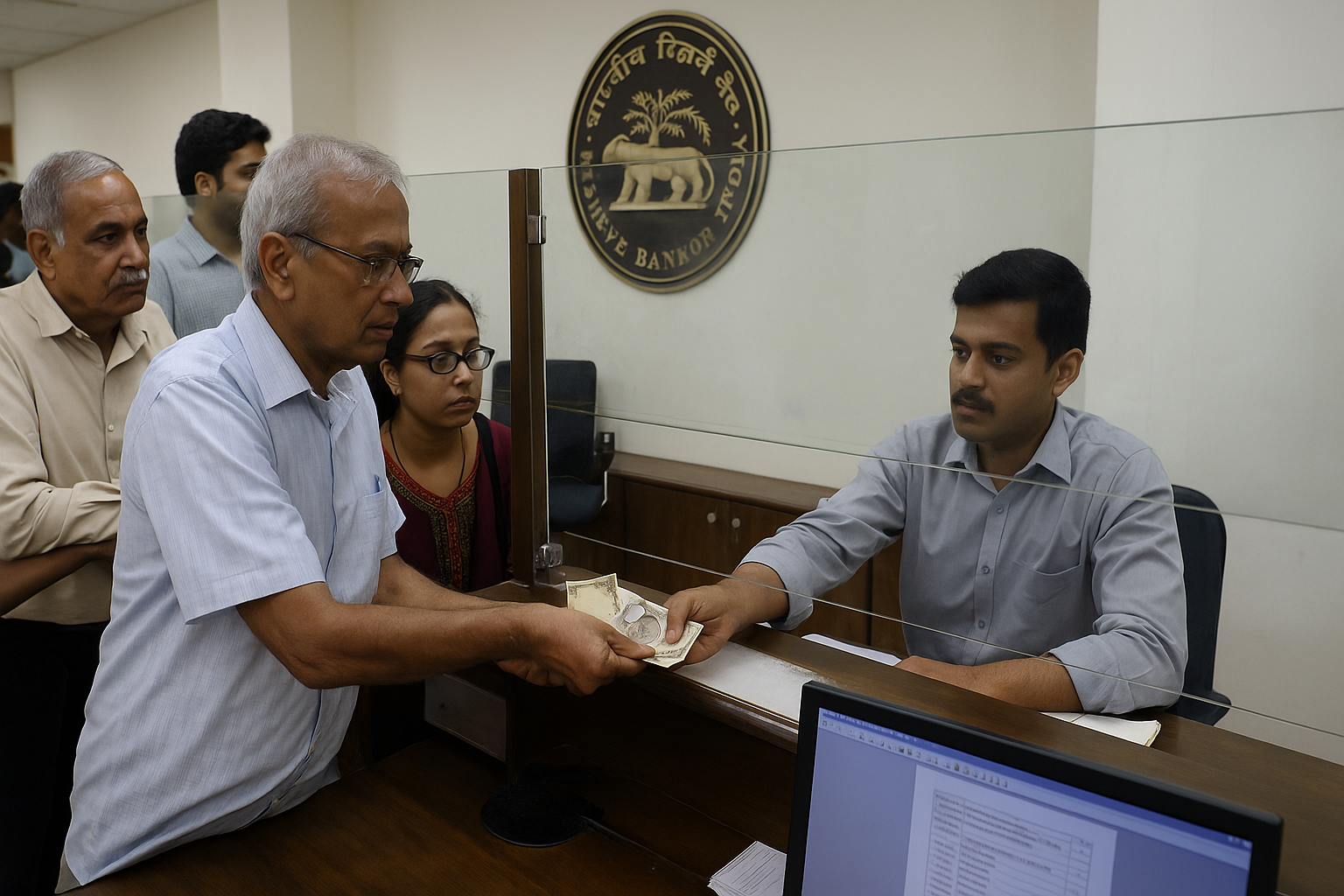
India’s Reserve Bank just attracted $72.8 billion in foreign-currency inflows in 11 weeks because the rupee needed adult supervision. Anyone calling that a clean victory is reading the press release with both eyes shut.
The Reserve Bank of India’s special swap window closes to new FCNR(B) deposits on August 31, 2026 — a month earlier than first planned. By August 21, the facility had pulled in $65.4 billion through foreign-currency deposits from non-resident Indians, plus $4.86 billion in overseas foreign-currency borrowings and $2.59 billion in external commercial borrowings. ([rbi.org.in](https://www.rbi.org.in/Scripts/BS_PressReleaseDisplay.aspx?prid=63426))
That is a hell of a number. It is also not the same thing as foreign investors deciding India is irresistible.
The RBI bought time — and time is not free
Here is the plain-English version.
India needed more dollars in the system. Oil is expensive, India imports the bulk of the crude it consumes, foreign capital has been heading for the exits, and a falling rupee makes all of that nastier. The RBI offered banks concessional currency swaps if they brought in eligible foreign-currency funding. Non-resident Indians placed FCNR(B) deposits in dollars and other foreign currencies; banks could swap that funding with the central bank and obtain rupees.
It worked because the deal was attractive. The RBI took the exchange-rate risk on the deposits. Banks could offer deposit rates reportedly as high as 7.4%, and some customers used bank leverage to magnify the advertised return. ([indianexpress.com](https://indianexpress.com/article/business/banking-and-finance/fcnrb-deposits-push-forex-reserves-to-all-time-high-of-729-billion-in-august-10853919/lite/))
That last bit matters. When a central bank makes an offer so good that money sprints through the door, don’t just applaud the queue. Ask why the door needed opening.
The RBI’s latest disclosed figure is $72.848 billion as of August 21 — not a rounded-up fairy tale and not money that arrived permanently on August 31. The FCNR(B) deposit window closes today, while banks have until September 11 to execute swaps on eligible deposits. The borrowing windows for ECBs and OFCBs stay open until December 31. ([rbi.org.in](https://www.rbi.org.in/Scripts/BS_PressReleaseDisplay.aspx?prid=63426))
That distinction is where the grown-up analysis begins.
India’s reserve pile got bigger. Its problem did not disappear.
India’s foreign-exchange reserves reached a record $729.33 billion in the week ended August 21. That gives the RBI more ammunition to smooth a disorderly rupee sell-off. It is useful. It is sensible. It is better than sitting there whistling while the currency gets belted. ([indianexpress.com](https://indianexpress.com/article/business/banking-and-finance/fcnrb-deposits-push-forex-reserves-to-all-time-high-of-729-billion-in-august-10853919/lite/))
But the rupee did not suddenly turn into Superman.
The Indian Express reported that the rupee closed August 28 at 95.39 per US dollar, barely changed from 95.79 on June 4, despite the enormous inflow. It was down 8.1% from a year earlier and had nearly reached 97 per dollar in mid-May. ([indianexpress.com](https://indianexpress.com/article/business/banking-and-finance/fcnrb-deposits-push-forex-reserves-to-all-time-high-of-729-billion-in-august-10853919/lite/))
That is the important number. Not the big reserve headline. The price of the currency.
If you throw more than $72 billion of support at a currency and it merely stops falling for a while, you have bought stability, not solved the underlying demand problem. India remains exposed to imported energy, foreign-portfolio outflows and a global interest-rate environment that has made dollars more valuable and emerging-market capital more selective.
S&P affirmed India at BBB/A-2 with a stable outlook last week, crediting policy stability and infrastructure investment. But it also flagged the country’s heavy debt burden, weak fiscal performance and low GDP per capita. S&P expects real GDP growth of 6.6% this year. That is strong in a sluggish world, but strong growth does not magically remove external-financing risk. ([marketscreener.com](https://www.marketscreener.com/news/s-p-maintains-india-rating-on-policy-stability-infrastructure-push-ce7858dedc8ef12c?utm_source=openai))
A country can be a very good long-term growth story and still have a balance-sheet problem in the short term. Investors who cannot hold two thoughts at once get cleaned up.
This is funding, not necessarily conviction
The overlooked angle is that this cash is mostly incentivised funding.
The biggest component — $65.4 billion — came through FCNR(B) deposits. These are deposits, not factories being built, patents being registered or long-term foreign owners taking equity stakes in Indian businesses. They have maturities. The central bank’s swap arrangement is reversed at maturity. ([livemint.com](https://www.livemint.com/market/hsbc-sbi-and-icici-bank-get-half-of-indias-fcnr-flows-under-incentive-window-11785762263771.html))
That does not make the scheme dodgy. It makes it exactly what it is: a liquidity and currency-stability tool.
The danger starts when politicians, pundits and retail investors treat liquidity as proof of enduring confidence. It is the financial equivalent of confusing a bridge loan with revenue. Both put cash in your account. Only one tells you your business model is working.
India has seen a version of this movie before. A similar FCNR(B) effort in 2013 raised $26 billion. This time, the scale is nearly three times larger in far less time. ([livemint.com](https://www.livemint.com/market/hsbc-sbi-and-icici-bank-get-half-of-indias-fcnr-flows-under-incentive-window-11785762263771.html))
That should not make you panic. It should make you inspect the maturity wall.
When these deposits eventually roll off, the RBI and banks will need to manage the reversal without reigniting pressure on the rupee. The outcome will depend on oil, exports, portfolio flows, domestic inflation, US dollar conditions and whether India has attracted more durable capital by then.
That is a lot of moving parts. Which is why the $72.8 billion headline deserves less chest-thumping and more respect.
The contrarian take: this may be a sign of competence
Now, before the doom merchants get carried away: I actually think the RBI deserves credit.
The dumb version of central banking is waiting until the currency has broken, then making a dramatic speech and blaming speculators. The RBI saw pressure building and created an incentive powerful enough to bring in dollars quickly. It moved the FCNR(B) closing date forward from September 30 to August 31 because inflows beat expectations. ([rbi.org.in](https://www.rbi.org.in/scripts/BS_PressReleaseDisplay.aspx?prid=63378))
That is decisive. I like decisive.
The scheme also gave the RBI more room to manage the rupee without torching reserves in the spot market every time traders got nervous. For Indian businesses importing fuel, machinery, chips or industrial inputs, less currency chaos matters. It makes pricing, working capital and planning less like gambling at a pub.
But competence in a crisis is not the same as the crisis being over.
The central bank has effectively said: “We are willing to subsidise certainty because uncertainty is becoming too costly.” That is a rational choice. It is also a flashing sign that the cost of capital and the dollar still run the show.
What this means for you
For investors, the takeaway is brutally simple: do not buy a macro story because a big number made you feel safe.
If you own Indian equities, or are looking at them, separate businesses that benefit from domestic demand and infrastructure spending from businesses that are smashed by a weak rupee or expensive imports. A company with dollar costs and rupee revenue is not the same investment as a software exporter earning dollars.
If you run a business that buys from India or sells into India, lock down your currency exposure. Quote expiry dates. Review payment terms. Don’t assume a stable rupee this week means a stable rupee next quarter. The RBI has bought breathing room, not abolished foreign exchange risk.
If you are a founder, this is the real lesson: temporary capital is useful, but it is not yours. Whether it is a central-bank swap, venture debt or a friendly bank line, match its duration to the thing you are funding. Never finance a long, uncertain bet with money that can disappear on a fixed date. I have seen plenty of smart people confuse access to capital with ownership of capital. It gets expensive fast.
And if you are simply watching from the sidelines, remember this: the best operators do not admire the headline. They ask what has to happen when the headline expires.
India has bought itself time. The next question is whether it uses that time to earn more durable trust — or merely needs to buy it again.