Roger Goodell’s 4-Year NFL Extension Is Really an 18-Game Bet
Roger Goodell’s deal through 2030 is not about loyalty. NFL owners are locking in one man for the 18-game fight, the next CBA and the TV-rights payday.
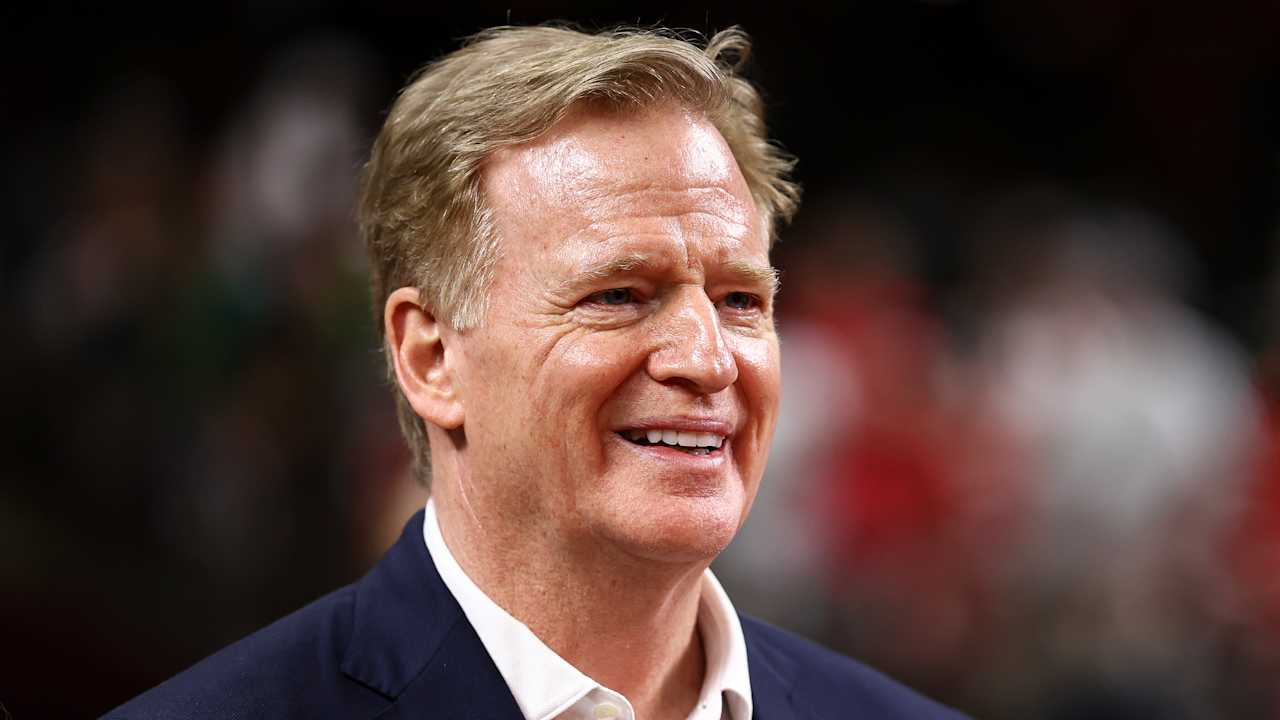
Roger Goodell’s four-year extension is an 18-game bet dressed up as a contract renewal.
The most important NFL deal this week wasn’t signed by Patrick Mahomes, Josh Allen or Justin Jefferson.
It was Roger Goodell’s four-year extension, and it tells you exactly where the owners think the next pile of money is hiding.
Goodell will now run the NFL through the 2030 season, with his contract ending on March 31, 2031. That neatly puts him in the chair for the next collective-bargaining agreement, the next major media-rights negotiation and the increasingly obvious fight over an 18-game regular season. The NFL says more than 95% of his new pay package is tied to performance metrics. Good. That is how it should be. Owners are not paying him to be liked; they are paying him to make the asset worth more. ([nfl.com](https://www.nfl.com/_amp/report-commissioner-roger-goodell-agrees-on-extension-through-2030-season-fifth-re-up-of-career?utm_source=openai))
And before anyone starts the usual “fans hate Goodell” routine: that is irrelevant. Plenty of people hate paying taxes too. Doesn’t mean the government stops collecting them.
The proper read on this extension is brutally simple: NFL owners have decided continuity is worth more than a succession contest while there is still serious money to extract from broadcasters, streamers, international markets and, eventually, the bodies of their players.
This is not a contract extension. It is a transaction timetable.
The NFL’s current labour agreement runs through the 2030 season. Goodell’s deal ends at precisely the same point. That is not coincidence; it is governance with a calendar attached.
The next CBA will decide whether an 18-game season happens, what players receive in return if it does, how rosters and injury protections change, and what percentage of the ever-growing revenue pool flows to labour. The NFL moved from 16 regular-season games to 17 in 2021. One extra game per club did not wreck demand. Quite the opposite: it created more premium inventory for broadcasters, more betting activity, more tickets, more hospitality, more advertising and another week of national relevance.
An 18th game would do the same thing again, only on a larger base.
The owners know it. The players know it. Goodell knows it. That is why keeping one negotiator in place matters. You do not change the chief executive halfway through the biggest pricing conversation your business will have this decade.
The existing NFL media agreements run through the 2033 season, but the league holds earlier opt-out rights in most of those arrangements after the 2029 season. ESPN/ABC’s timing is slightly later. That means the NFL could enter the next negotiation window with a potentially expanded schedule already agreed, giving broadcasters and streamers more games to fight over. ([nfl.com](https://www.nfl.com/news/nfl-announces-new-broadcast-deals-running-through-2033-season?utm_source=openai))
That is the real prize. Not four more years of Goodell press conferences. More inventory sold at a higher price.
The NFL has earned the right to play hardball
The league starts the 2026 season coming off its strongest viewership year in more than three decades, averaging 18.7 million viewers per game in 2025, according to Front Office Sports. In an entertainment market where cable is shrinking, streaming services are bleeding cash and most live sport struggles to cut through, that is not merely a nice statistic. It is bargaining power with a helmet on. ([frontofficesports.com](https://frontofficesports.com/article/nfl-once-again-pushing-boundaries-as-new-season-kicks-off/?utm_source=openai))
Look at the state of the buyers. Netflix wants live events because they reduce churn. Amazon wants live events because Prime membership is a retail weapon disguised as a streaming service. Disney needs ESPN to remain relevant across television and digital. NBC, CBS and Fox need NFL football because it makes the rest of their schedules look more valuable than they really are.
The NFL is not selling football matches. It is selling the rarest thing in media: a large audience that turns up live, at the same time, and mostly watches the ads.
That is why the league’s owners extended Goodell before the next bargaining cycle got properly ugly. They have one man who understands the whole flywheel: media, gambling, stadium politics, international games, player discipline, sponsor relationships and public pressure. You may not enjoy his style. I don’t particularly care for polished corporate operators who pretend they are everyone’s mate either. But the numbers say he has done the job owners hired him to do.
NFL franchise values are the proof. The Seattle Seahawks were recently sold for $9.612 billion, following the Washington Commanders’ $6.05 billion sale in 2023. Front Office Sports noted that the Seahawks transaction represented a 59% increase over the Commanders deal. That is a staggering jump for an asset whose product is essentially 17 regular-season games, some playoffs if you are lucky, and a lot of jerseys. ([frontofficesports.com](https://frontofficesports.com/article/nfl-owners-finalize-contract-extension-roger-goodell/?_bhlid=02a17fa77b8f06d0f6992ed548b1d9de71cf5f3c&utm_source=openai))
When a business can make itself scarcer, more global and more essential to advertisers at the same time, valuations go mad. The NFL is doing all three.
The overlooked angle: Goodell’s biggest job is protecting the owners from themselves
Here is the bit most fans miss. The commissioner is not the owner of the product. He is the operator hired by 32 billionaires and billionaire-adjacent groups who often want different things.
Jerry Jones wants one thing. Robert Kraft wants another. The Green Bay Packers have an ownership model unlike anyone else. The New York Giants care about preserving tradition. Newer money wants growth, digital distribution and international expansion. Every owner wants more cash, naturally, but not always through the same path.
Goodell’s job is to create enough alignment that the collective asset keeps compounding.
That matters more now because the NFL has more competing opportunities than ever. International games can create new fans and sponsorships, but they also add travel and logistical strain. Flag football’s Olympic debut in Los Angeles in 2028 could expand the NFL’s global funnel, particularly for women and younger players, but it needs careful commercial handling. Streaming partnerships create new revenue but can frustrate fans who are already sick of needing multiple subscriptions to watch their own team. ([nfl.com](https://www.nfl.com/_amp/report-commissioner-roger-goodell-agrees-on-extension-through-2030-season-fifth-re-up-of-career?utm_source=openai))
None of these issues gets solved by a bloke delivering a rousing speech at the annual owners meeting. They get solved by trade-offs, discipline and a willingness to make somebody unhappy.
That is why a commissioner who gets booed at the draft can still be exactly the right commissioner for the owners. The boos are theatre. The cash flow is the plot.
An 18th game is not inevitable — and players should make the league pay properly
Now, the contrarian point: the 18-game season is logical for owners, but it is not automatically good business if they botch the deal with the players.
More games mean more revenue. They also mean more wear on the people generating the revenue. NFL careers are short, injury risk is real and the league cannot keep marketing player personalities while treating their health as an accounting nuisance.
If owners want an 18th game, the NFL Players Association should not merely ask for a slightly fatter cheque. It should demand a proper package: meaningful roster expansion, better long-term health provisions, sharper guarantees, altered offseason demands, genuine recovery protections and a larger share of the incremental revenue.
That is not sentimentality. It is commercial common sense.
The NFL needs stars. Mahomes, Allen, Jalen Hurts, Lamar Jackson, C.J. Stroud, Saquon Barkley and the next wave of players are not interchangeable widgets. The league has depth, yes, but its biggest media moments still revolve around recognisable men doing extraordinary things under pressure. If an 18th game degrades the quality of the product or makes marquee injuries more common, broadcasters will eventually notice.
The smart version is not “squeeze another game out of everyone.” The smart version is “build a better, safer operating model and share enough upside that the people taking the hits accept the trade.”
That is a negotiation Goodell now has time to lead.
What this means for you
Whether you run a startup, manage a team or invest your own money, there is a very useful lesson in this extension.
Do not confuse a leadership decision with a personnel decision. NFL owners did not simply decide that Roger Goodell was pleasant enough to retain. They locked in the person they believe can execute through a known set of high-stakes events: a labour negotiation, media-rights decisions and possible schedule expansion.
Do the same in your business.
First, map the next three years by value-creating events, not calendar years. What are the two or three decisions that could materially change your revenue, valuation or competitive position? A fundraise? A major supplier negotiation? A product launch? An acquisition? Put names next to the people accountable for getting those moments right.
Second, pay for outcomes. The NFL says Goodell’s package is overwhelmingly performance-based. Most businesses claim they reward performance, then hand out bonuses for being present and not setting the building on fire. Tie rewards to the handful of metrics that actually matter.
Third, do not sell your best inventory cheaply because you are impatient. The NFL understands that its games are scarce, live and valuable. Founders make the opposite mistake all the time: discounting, adding features for free, signing rotten long-term contracts or giving away equity because they want the discomfort to end.
Finally, remember that popularity and effectiveness are different jobs. If you need somebody to make hard commercial calls, stop demanding that they win every room. Hire for the mission. Measure the result. Keep your eyes on the money.
Roger Goodell’s extension is a reminder that the NFL is not waiting around for the future. It is already negotiating it.