SAMY’s $100M Get Engaged Deal: Why TV Ads Are Losing
$100 million is the price tag on a blunt message for TV advertisers: social is no longer the add-on. It is where attention turns into action.
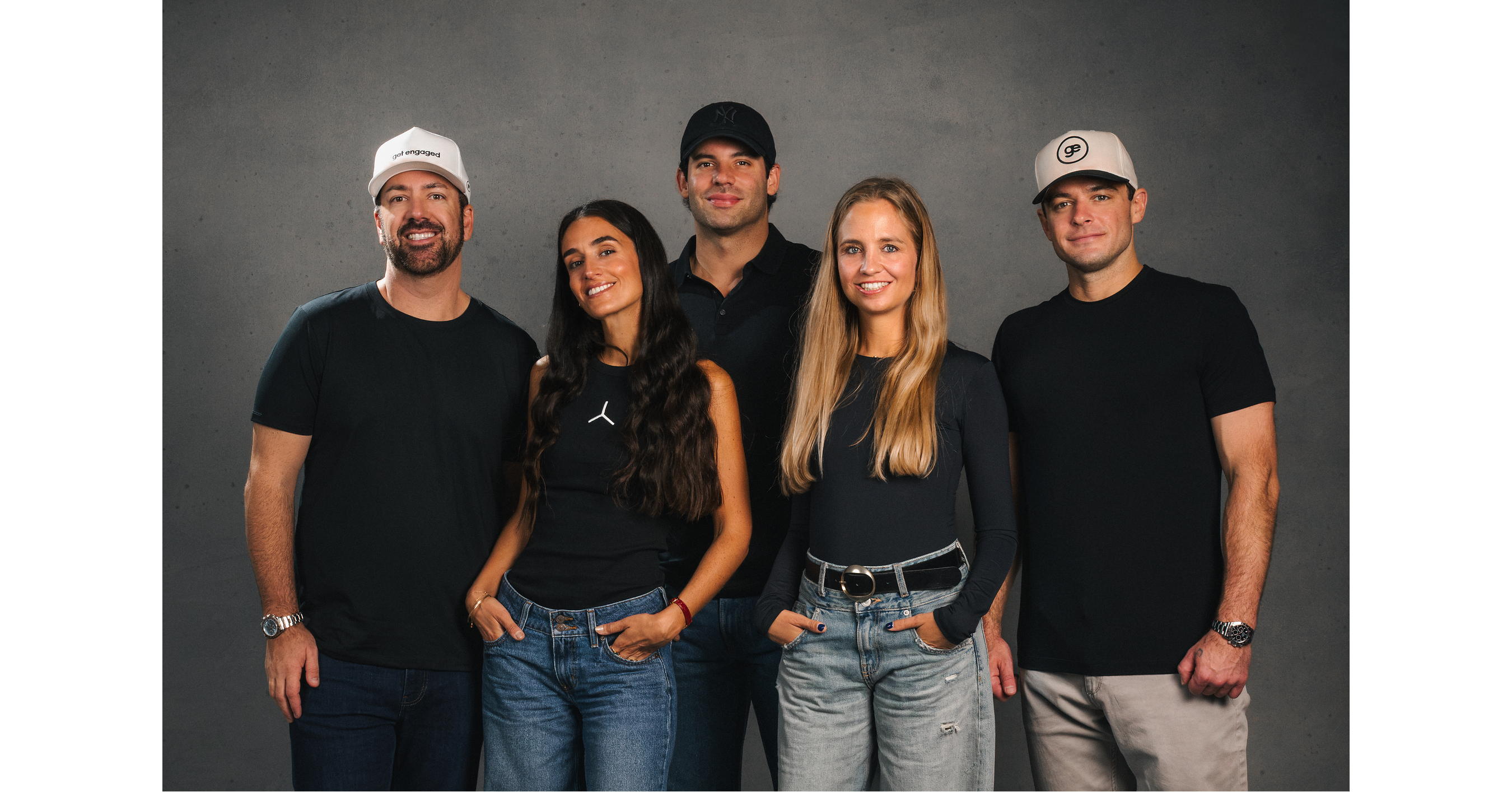
Get Engaged just sold for at least $100 million. If you still think social is the bit you bolt onto the TV campaign, you are reading the market backwards.
That is not a cute agency-world transaction. It is a bloody great neon sign telling brands their old advertising playbook is being dismantled in public. ([fortune.com](https://www.fortune.com/2026/10/06/brands-fled-tv-for-tiktok-get-engaged-samy-acquisition-fortune-exclusive/?utm_source=openai))
SAMY, a Madrid-founded social-first marketing group backed by Bridgepoint, has brought Get Engaged into its business. Get Engaged has more than 100 staff across Atlanta, New York, Nashville and Los Angeles, while SAMY has roughly 1,200 people across North America, Europe, Asia and Latin America. The point of the deal is obvious: SAMY gets real American cultural and creator-marketing firepower; Get Engaged gets the global distribution machine to turn that capability into a much larger business. ([fortune.com](https://www.fortune.com/2026/10/06/brands-fled-tv-for-tiktok-get-engaged-samy-acquisition-fortune-exclusive/?utm_source=openai))
The comfortable story is that this is another influencer-agency acquisition. Don’t buy it. This is a repricing of attention.
The old ad model is becoming an expensive habit
For decades, big brands bought reach first and figured out relevance later. You bought the television slot, the magazine spread, the billboard, the radio hit. Then you spent months producing a glossy campaign and hoped enough people noticed.
That model made sense when attention was scarce and audiences were gathered in a few obvious places. It makes less sense when a consumer can skip, mute, block, scroll past or ridicule your expensive ad before the first line lands.
WARC forecasts global advertising expenditure will reach $1.30 trillion in 2026, up 9.1%. But nearly 80% of spending is flowing into retail media, paid search and social platforms. That is the part plenty of brand executives still miss: money has not merely moved from TV to phones. It has moved toward channels where discovery, reaction, purchase and measurement can sit much closer together. ([warc.com](https://www.warc.com/en/press/press-releases/26-01-15_systems-planning-a-new-model-for-media-planning-as-traditional-approaches-collapse?utm_source=openai))
Linear TV is not disappearing tomorrow. It still creates mass reach, and some products need mass reach. But it is losing its former status as the automatic centre of gravity. A brand cannot spend eight figures on a hero film, post a cut-down on TikTok, and call that a social strategy. That is television thinking in vertical-video clothing.
Get Engaged built its business around the opposite proposition: start where culture is already moving, then make the brand useful or entertaining enough to earn a place in it.
That sounds obvious because it is. Obvious things are often the last things corporate marketing teams are willing to do properly.
DoorDash and 50 Cent showed what the new game looks like
The clearest example is DoorDash’s February 2026 campaign with 50 Cent, called The Big Beef. Instead of treating the Super Bowl as a single Sunday-night commercial break, DoorDash built a social campaign around sporting rivalries and the rapper’s natural ability to stir the pot. The campaign played out across Instagram, TikTok, X and YouTube Shorts, while steering people back to DoorDash’s service. ([about.doordash.com](https://about.doordash.com/en-us/news/doordash-big-game-beef-50-cent?utm_source=openai))
That distinction matters. The celebrity was not merely rented to read a script. The campaign used a person whose public persona already fit the format: provocative, fast, culturally fluent and built for argument. The medium was not an afterthought. The argument, the short clip, the reaction and the sharing behaviour were the media plan.
Fortune reported that Get Engaged worked on DoorDash’s 50 Cent campaign and Carl’s Jr.’s 2025 Alix Earle “hangover burger” activation—two campaigns designed to create chatter around the Super Bowl without relying on a national in-game TV buy. ([fortune.com](https://www.fortune.com/2026/10/06/brands-fled-tv-for-tiktok-get-engaged-samy-acquisition-fortune-exclusive/?utm_source=openai))
Carl’s Jr. paired Earle with a specific consumer offer: My Rewards members could claim a free Hangover Burger on February 10, 2025, the day after the game. In other words, it did not just borrow an influencer’s audience and pray for “brand awareness.” It gave people a reason to act, a reason to talk, and a simple mechanism to join the company’s first-party customer ecosystem. ([carlsjr.com](https://www.carlsjr.com/carl-s-jr-and-alix-earle-are-helping-hangovers-after-the-big-game-with-a-free-carl-s-jr-hangover-b?utm_source=openai))
That is the difference between marketing that gets discussed in the boardroom and marketing that actually moves through the market.
What SAMY really paid for
SAMY did not buy 100-plus employees because scheduling posts is hard. Plenty of agencies can schedule posts. Plenty can buy media. Plenty can hand a creator a brief that reads like it was approved by six lawyers and a committee of nervous vice-presidents.
What is scarce is judgement: knowing which personalities have genuine audience permission, which cultural moment is worth entering, which joke will feel native rather than desperate, and when a brand should keep its mouth shut.
That judgement is valuable because the downside of getting it wrong is brutal. On social platforms, weak work does not merely underperform quietly. It gets mocked, remixed or ignored in full view of the customer you were trying to impress.
My read is that the price paid for Get Engaged is a bet that creator marketing is maturing from a side budget into operating infrastructure. Brands no longer need a random influencer programme run separately from media, product, customer service and ecommerce. They need teams that can connect all of it quickly.
That is why the agency’s listed capabilities matter: campaign ideation, social management, influencer marketing, celebrity partnerships, content production and paid media. Separately, those are service lines. Together, they are a system for turning a cultural moment into a commercial outcome. ([prnewswire.com](https://www.prnewswire.com/news-releases/get-engaged-joins-samy-creating-a-powerful-global-platform-at-the-intersection-of-social-creators-entertainment-and-culture-302900421.html?utm_source=openai))
The overlooked angle: social-first does not mean creator-first
Here is where founders and marketers get carried away. They hear “social-first” and immediately start throwing product at creators with big follower counts. That is how you burn money with a smile on your face.
A creator is distribution, not strategy. Fame is not fit. Views are not demand. And a viral video that cannot be connected to a commercial action is often just a very expensive round of applause.
The better lesson from the DoorDash and Carl’s Jr. examples is not “hire celebrities.” It is that the campaign had a built-in behavioural engine. DoorDash had a live sporting moment, rivalries and food delivery. Carl’s Jr. had a post-game problem, a product designed around it, and a free offer that required a loyalty relationship.
The creator amplified a sharp commercial idea. They did not rescue a weak one.
That is the part big agencies and brand teams can still get right. You do not need 50 Cent or Alix Earle. You need a recognisable customer tension, a useful offer, and a distribution partner who credibly belongs in the conversation.
If you sell accounting software, stop trying to manufacture banter with comedians. Find the accountant or operator who can expose the stupid, expensive problem your product removes. If you sell a consumer product, stop briefing creators with ten mandatory talking points. Give them a genuine reason to use it and one clear action for their audience.
Brand building is not dead. Lazy brand building is.
There will be executives reading this and saying, “Fine, but we still need long-term brand equity.” Correct. You do. But long-term brand equity is not created by repeating the same polished message until the marketing department becomes emotionally attached to it.
It is built through repeated evidence that your business understands the customer, delivers something worthwhile, and has a distinct point of view. Social can be brilliant for that because it provides immediate feedback. The trouble is that feedback is often inconvenient.
Television let poor creative hide behind reach and production values. Social makes mediocrity more visible. That is not a reason to avoid it. It is a reason to get better.
The winners will not be the brands that abandon every broad-reach channel. They will be the ones that stop treating channels as separate silos. A big campaign should create material that can travel, conversations that can continue, offers that can convert, and customer data that improves the next move.
That is much harder than buying a 30-second ad. It is also far more defensible.
What this means for you
If you are a founder, operator or investor, do three things tomorrow.
First, audit your last five marketing campaigns. For each one, write down the actual customer action it was meant to produce. Not “awareness.” Not “engagement.” Did you want a trial, a store visit, an email sign-up, a referral, a purchase or a repeat purchase? If you cannot answer in one sentence, you funded content—not marketing.
Second, stop choosing channels before you choose the tension. Find the thing your customer already complains about, jokes about or spends time trying to solve. Build the campaign around that truth. Then select the people and platforms that naturally carry it.
Third, make speed a competitive advantage. The social-first shops are winning because they can spot a signal, make something relevant and distribute it before the moment dies. You do not need to be reckless. But if every post requires three weeks, four approvals and a brand-guidelines ceremony, you are not competing in culture. You are filing paperwork near it.
SAMY’s $100 million-plus move is not proof that every business needs an influencer agency. It is proof that attention now belongs to operators who understand behaviour, not just media buying.
The brands that win will be the ones people choose to pass along—not the ones that simply interrupt them.
Sources
- Brands are fleeing TV for social. The agency behind 50 Cent’s and Alix Earle’s viral Super Bowl-week ads just sold for at least $100 million
- WARC: Systems Planning — The Future of Media 2026
- DoorDash Brings the Beef to the Big Game with 50 Cent
- Get Engaged Joins SAMY, Creating a Global Social-First Platform