Seattle Seahawks’ $9.612B Sale: Vinod Khosla Just Reset the NFL Price
$9.612 billion for a football team isn’t a price. It’s a warning: if you wait for a great asset to look cheap, you’ll watch someone else buy it.
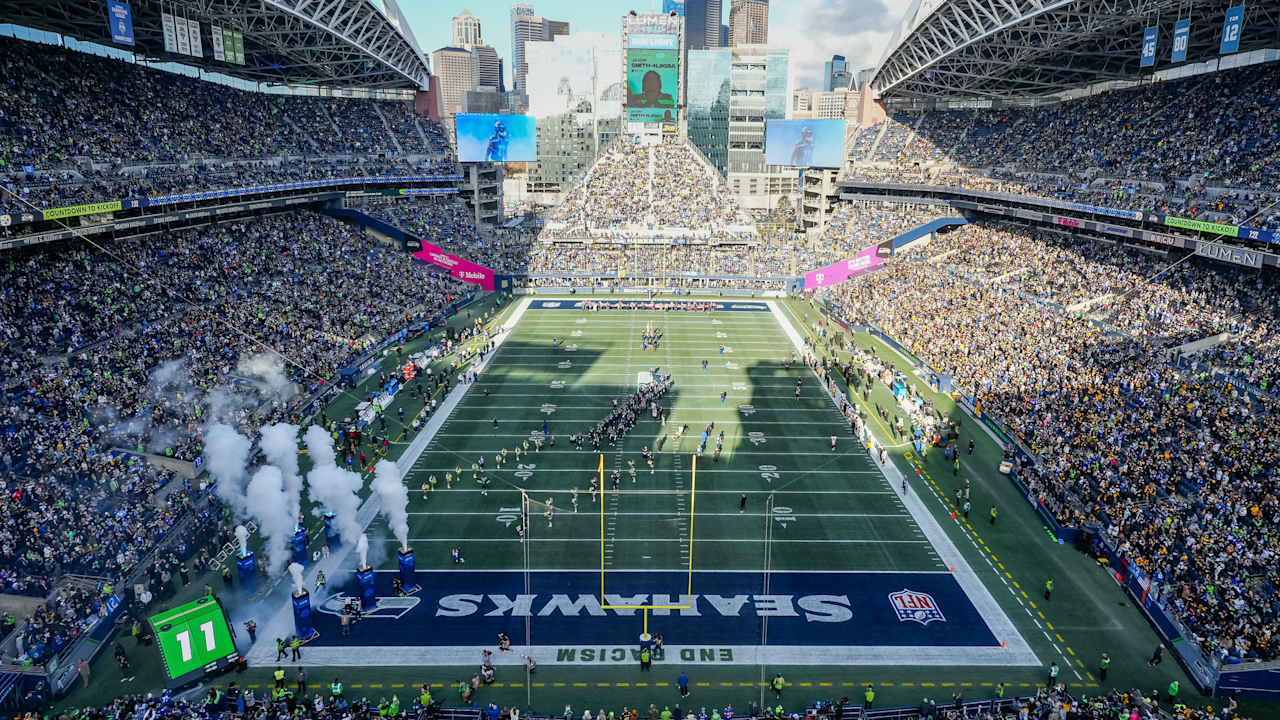
$9.612 billion for a football team isn’t a price. It’s a warning: if you wait for a great asset to look cheap, you’ll watch someone else buy it.
The Khosla family’s reported deal to buy the Seattle Seahawks from Paul Allen’s estate has blown past the NFL’s previous sale record. Josh Harris’s group paid $6.05 billion for the Washington Commanders in 2023. This is roughly 59% higher.
And here is the bit most people will miss while they argue about whether Vinod Khosla overpaid: he probably did — if you value the Seahawks like an ordinary business.
But NFL teams are not ordinary businesses. They are scarce, protected, cultural monopolies with a licence to print relevance. That is why sensible people keep looking at the price and calling it mad, while rich people keep buying.
The $9.612 billion number is the story
The estate of Microsoft co-founder Paul Allen announced on July 11 that it had reached a formal agreement to sell the Seahawks to an ownership group led by the Khosla family, including venture capitalist Vinod Khosla. The team said the family would become controlling owner, subject to NFL approval. The reported price is $9.612 billion.
That matters because this is not a distressed club being sold at a discount, nor a rebuild with a rubbish product. The Seahawks are the defending Super Bowl champions. They have quarterback Sam Darnold, receiver Jaxon Smith-Njigba — who signed a multi-year extension after a 2025 season in which the club said he became an All-Pro and franchise record-setter — and a fan base that treats the team as civic infrastructure.
The buyer is not acquiring a turnaround project. He is acquiring a finished product with upside.
That is the whole point.
Most investors are trained to find a broken thing, buy it cheaply, fix it and pat themselves on the back. Fair enough. That works in property, retail, software, manufacturing — plenty of places.
But the very best assets often do not come broken. They come expensive, obvious and bloody hard to access.
A scarce NFL franchise is one of them. There are only 32 seats at that table. You cannot ring the league and ask it to spin up another Seattle Seahawks because you have a clever PowerPoint and a fat cheque. When a legitimate team becomes available, bidders are not merely buying projected cash flow. They are buying a lifetime seat inside an exclusive system.
Why the Commanders comparison should make owners nervous
The Washington Commanders sold for $6.05 billion in 2023. At the time, that was the record.
Three years later, the Seahawks transaction has reportedly lifted the benchmark by about $3.562 billion.
That is a staggering move in the reference price for an entire asset class.
Now, before everyone gets carried away: one sale does not mean every NFL team is suddenly worth $9.612 billion. A transaction price reflects a particular buyer, a particular seller, timing, team quality, market, financing and appetite. Anyone who tells you every club has instantly repriced to the same number is doing estate-agent maths with a sports jacket on.
But precedent matters. It gives every future seller a fresh number to point at. It gives every prospective buyer a new pain threshold. And it tells existing owners something they already suspected: the biggest threat to their paper wealth is not poor operating performance. It is a lack of wealthy people competing for scarce trophies.
The Khosla deal is especially powerful because the Seahawks were not sold by a founder looking for a vanity exit. The sale was part of the eventual disposition of Allen’s estate. Khosla said he was pleased the money would go to a nonprofit. That makes this a very unusual transaction: an elite sports asset moving from one long-term stewardship structure into another, with philanthropy at the end of the cash trail.
There is no need to invent a cynical motive where the public facts show a clear one. Paul Allen’s estate wanted to sell. Khosla wanted to own. The market cleared at $9.612 billion.
Simple.
The overlooked angle: Khosla did not buy a football team
He bought optionality.
That word gets abused by investors, usually by blokes trying to justify paying too much for a startup with no revenue. But in this case, it fits.
The Seahawks give Khosla and his family exposure to a live sport that dominates attention, a year-round content machine, a premium consumer brand and a platform that can compound in ways a spreadsheet cannot neatly capture. A winning season makes those advantages louder. A Super Bowl title makes them louder again.
The actual football operation is only part of it. Sam Darnold throwing to Jaxon Smith-Njigba is the product fans see. But ownership is about the ecosystem around that product: sponsorship demand, premium hospitality, merchandise, media distribution, events, community standing and the ability to attract partners who want to borrow the credibility of the shield.
That is why I would be careful about judging this deal through a narrow annual-profit lens.
If you buy a boring warehouse for a yield, you can model the rent. If you buy an NFL team, you are paying for earnings, yes — but also for future scarcity, social status, strategic relationships and the possibility that the next buyer will have even more money and fewer places to put it.
That last bit may sound uncomfortable. Good. It should.
A lot of modern asset prices are set not by what an asset earns today, but by whether a richer buyer will desperately want it tomorrow. That is dangerous in plenty of markets. In a tightly controlled league with 32 franchises, it is also rational.
The contrarian take: the price is not the risk
Everyone is gawking at the $9.612 billion figure. I think that is the easy part.
The more interesting risk is whether new ownership confuses access with competence.
Buying a champion does not mean you know how to run one. The Khosla family inherits a successful football organisation, but successful operators do not need a new owner arriving with a tech-founder urge to optimise every living thing by Tuesday.
The best first move may be to do less than people expect.
Keep the football people focused on football. Protect the culture that got the Seahawks to a second Super Bowl. Learn where the organisation actually creates value before launching a grand transformation program full of dashboards, consultants and words like synergy. Nothing kills momentum faster than a new boss who mistakes activity for intelligence.
This applies far beyond sport. I have seen entrepreneurs buy businesses, make three weeks of cosmetic changes, announce a new strategy, confuse staff and then wonder why the wheels wobble.
When you buy quality, your first obligation is not to improve it. It is to avoid stuffing it up.
Khosla’s public comment was sensible: he spoke about being entrusted with the franchise’s legacy and earning the trust of the organisation and fans. That is the right frame. Ownership is control on paper; stewardship is what determines whether people want you around.
What this means for you
You probably are not buying an NFL team this year. If you are, congratulations — and please stop pretending you need my advice.
But the Seahawks deal offers three practical lessons for founders, investors and operators.
First, stop waiting for elite assets to become obviously cheap. The best business, employee, property, partnership or acquisition is often expensive precisely because it is good. Do the work to distinguish overpriced rubbish from expensive quality. They are not the same thing.
Second, understand what you are really buying. Do not value a business only on this year’s revenue. Ask what access, distribution, trust, repeat customers, brand permission and strategic options come with it. Those are often where the real upside lives.
Third, when you acquire something working, earn the right to change it. Spend your first 90 days learning the economic engine, identifying the people who make it run and finding the few things that genuinely need fixing. New owners love announcements. Great owners protect what is valuable first.
The Seattle Seahawks’ reported $9.612 billion sale is not proof that money has lost its mind. It is proof that scarcity, quality and cultural relevance are still worth a fortune.
The trick is recognising that before the next Khosla does.