Southern Glazer’s 76% Mini-Bottle Growth Is Tequila’s Real Warning
A US$60 tequila bottle is a bad growth strategy if it is the first thing a customer has to buy. Trial is getting cheaper, smaller and far less forgiving.
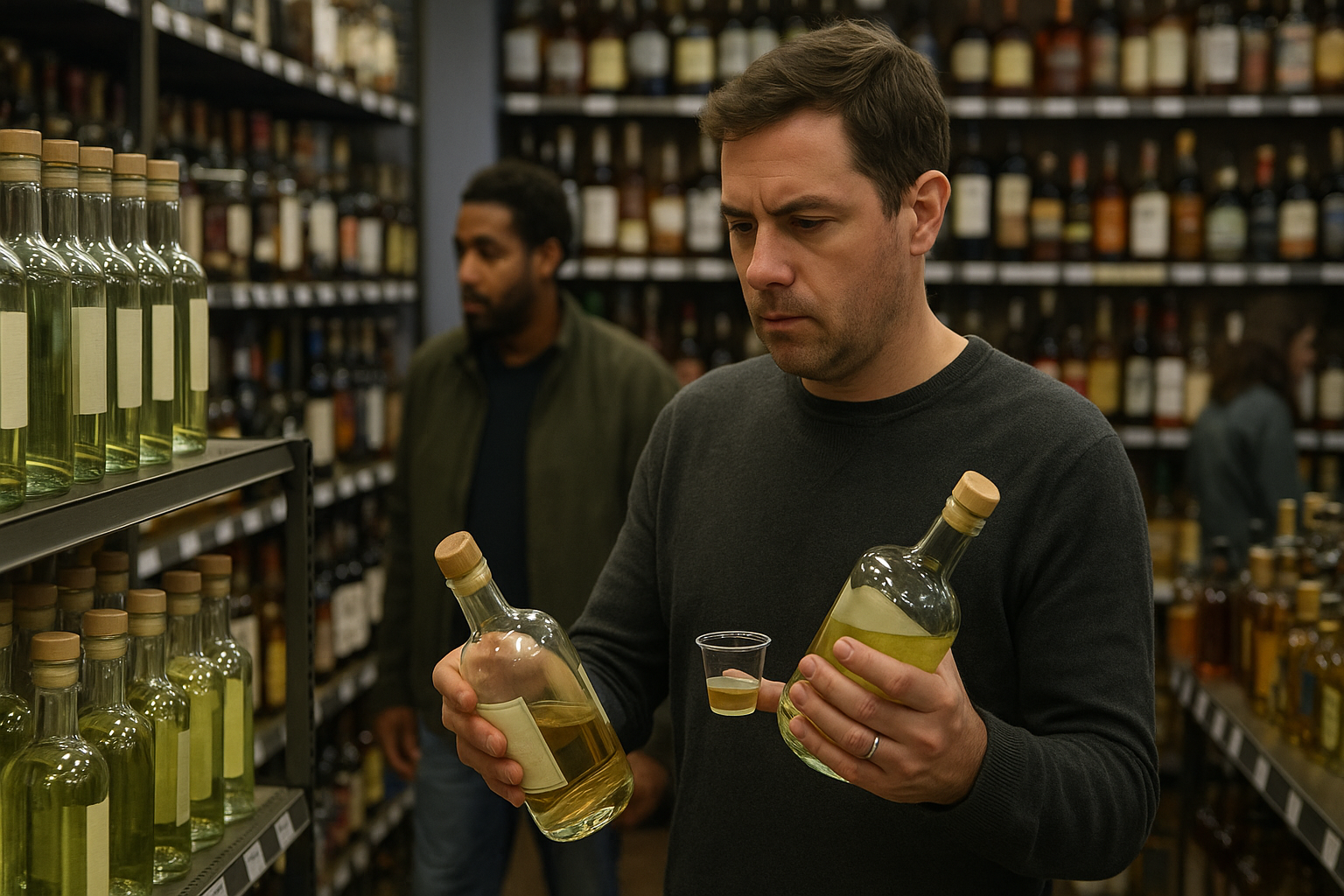
A US$60 tequila bottle is a bad growth strategy if it is the first thing a customer has to buy.
That is the uncomfortable message sitting inside Southern Glazer’s latest market data. The largest distributor’s new H2 2026 report says 50-millilitre bottles are generating 76% of core spirits volume growth inside its business. Meanwhile, 98% of tequila volume growth is coming from bottles priced between US$20 and US$34.99.
That is not a tequila collapse. It is worse news for lazy operators: the customer is still there, but they are making you earn the sale.
The real tequila story is not premiumisation
For years, the spirits industry sold itself a lovely story. Tequila was going premium. Consumers wanted better liquid, better stories, better bottles and, naturally, higher prices.
Some of that was true. But “premium” became a lazy excuse for charging more while making the consumer take more risk.
Southern Glazer’s report, released on September 8, says the overall beverage-alcohol market is in a cyclical and structural reset. That is corporate language, admittedly. Here is the plain-English version: people have not stopped drinking, but they are being much pickier about what earns a place in the basket.
Spirits RTDs now account for 94% of total spirits volume growth in Southern Glazer’s data. Portable wine and spirits packs of 500 millilitres or less are growing 28%. The report says consumers are chasing convenience, affordability and easier ways to explore a category.
That last bit matters more than most brand owners will admit. Trial is the business.
A tequila brand can spend a fortune on a beautiful bottle, a celebrity launch party and some bloke with nice teeth making a margarita on Instagram. None of it matters if the first purchase feels like a financial commitment.
The customer is not necessarily saying, “I want cheap tequila.” They are saying, “I want permission to try something without feeling like an idiot if it is ordinary.”
There is a massive difference.
The numbers say tequila is holding up — but the money is getting choosier
NielsenIQ channel data reported this month showed total beverage-alcohol sales down 3% by value and 5% by volume in the four weeks through August 22. Spirits were down about 3% in both measures.
Tequila did better than the broader spirits market: value was up 0.1% and volume rose 2.9%. That is not fireworks, but in this market it is meaningful. Vodka was down 3% in both value and volume. Whiskey dollar sales fell 5%, with volume down 5.7%.
So tequila is not dead. Far from it.
But the gap between tequila’s modest value growth and stronger volume growth is the tell. More tequila is moving, yet the dollars are barely moving. I would not pretend that one data set tells us the exact cause — channel mix, promotions and pack formats all matter — but the commercial message is obvious enough: growth is not coming from blindly pushing price upward.
Southern Glazer’s own figures reinforce it. Nearly all tequila volume growth is concentrated in the US$20-to-US$34.99 range. That is the fight.
Not US$150 “collector” bottles bought twice a year by people showing off at dinner. Not a sea of me-too celebrity labels priced just high enough to make the founder feel luxurious. The fight is for the bottle a customer can bring to a barbecue, a mate’s place or a restaurant table without needing a board meeting first.
In other words: accessible premium.
That phrase gets butchered by marketing departments, but the commercial principle is dead simple. Make the product feel better than the price asks of the customer.
Small formats are not just a discount aisle
Here is the contrarian point: mini bottles are not merely evidence that people are broke.
Southern Glazer’s data says high-income households contributed 40.1% of sales growth for small-size spirits and account for 43.2% of buyers in that segment. Wealthier drinkers are using small formats too.
Why? Because money does not remove the need for convenience. It does not remove the desire to sample. And it definitely does not create more occasions to drink an entire 750-millilitre bottle.
The old industry instinct is to treat a 50-millilitre bottle as a low-status thing — the miniature near the register, the airline pour, the last refuge of price-sensitive shoppers. That is a category-management error.
A small format can be a discovery product, a travel product, a gifting product, a hotel product, an event product and a way to introduce a more expensive expression without forcing a full-bottle punt.
That is particularly relevant in tequila. A consumer may understand blanco broadly, but they may not know whether they like a particular reposado, whether an additive-free profile suits them, or whether a brand actually works in their preferred cocktail. A lower-risk first purchase can turn curiosity into repeat behaviour.
Southern Glazer’s figures also show reposado generating 43% of core spirits volume growth, excluding cocktails. That should make tequila operators sit up. There may be room to give consumers a clearer ladder: an easy entry into blanco, then a genuinely useful reason to trade into reposado.
Not a lecture about craftsmanship. A reason.
Better sipping. A richer margarita. A bottle that works with food. Whatever the brand’s answer is, it needs to be obvious in ten seconds.
The bar is still where brands get discovered
This is where plenty of direct-to-consumer dreamers get it wrong. Discovery still happens in the real world.
Southern Glazer’s report says 46% of consumers believe bars and restaurants are the best places to try a new brand. Of those who discover one there, 69% later look for it at retail and 70% keep drinking it on future on-premise visits.
That is a brilliant funnel if you are good enough to execute it.
Put differently: the bar is not just another sales channel. It is a live product demonstration with social proof built in.
For tequila, that means menu placement matters. Staff education matters. The serve matters. Whether the customer can order a clean margarita, a ranch water or a neat pour without explaining your brand to the bartender matters.
While building Agave Finder, I keep coming back to the same blunt observation: tequila drinkers are becoming more curious, but curiosity without usable information turns into hesitation. People want to know what they are buying, how it tastes and where it fits. The brands that reduce that friction will take share from brands that merely look good on a shelf.
The bottle is not the product anymore. The buying decision is the product.
The overlooked danger: portfolio clutter
When a market slows, big companies and ambitious founders often respond the same way: launch more SKUs.
That is usually rubbish.
More flavours. More special editions. More collaborations. More labels that require a retailer, distributor rep and bartender to remember another story.
Southern Glazer’s data points in the opposite direction. Growth is concentrating in specific occasions, specific price bands and specific formats. More choice is not automatically more revenue. In fact, too much choice can make your sales team worse, clog your inventory and bury the one product that could have won.
The barbell market is real: consumers are buying value at one end and worthwhile premium at the other. But “barbell” does not mean every brand deserves to live in both places.
A brand needs to decide where it earns the right to exist.
If you are playing in the US$20-to-US$34.99 tequila growth zone, be ruthlessly good there. Have a price the customer understands. Make the liquid and packaging justify it. Build a serve that venues can execute quickly. Then offer a small-format entry point that makes trial painless.
If you are going genuinely premium, stop pretending you can win on vague luxury. Give people proof: scarce production, exceptional liquid, real provenance, impeccable hospitality placement or a reason to collect. Otherwise you are just expensive.
What this means for you
For founders, investors and operators, here is the practical playbook.
First: audit your first purchase. What does it cost? Where is it sold? How obvious is the taste and occasion? If the answer requires a paragraph, fix it.
Second: treat small formats as customer acquisition, not clearance stock. Build a proper 50-millilitre, 200-millilitre or trial-pack strategy where regulations and economics allow it. Measure repeat purchase into your core bottle, not merely mini-pack revenue.
Third: own one price rung before climbing the ladder. The data says US$20 to US$34.99 is where tequila volume is growing. That does not mean every brand must live there. It means anyone outside it needs an unusually sharp reason for the consumer to keep paying attention.
Fourth: use bars and restaurants as a conversion engine. Do not spray samples around and call it brand building. Pick accounts that fit the customer you want. Give staff one memorable serve and one useful sentence. Then make the bottle easy to find at retail nearby.
Finally: stop confusing a fancy bottle with a business model. The tequila market is still producing growth, but it is rewarding brands that make trial easy, price honest and occasions clear.
That is good news if you are prepared to operate. It is terrible news if your whole strategy was hoping people would confuse expensive packaging with value.