Stan Kroenke’s $4B Angels Deal Is a Stadium Bet, Not a Baseball Bet
The Los Angeles Angels were not bought for $4 billion because baseball is fun. Stan Kroenke bought control because mediocre teams in prime real estate can become extraordinary businesses.
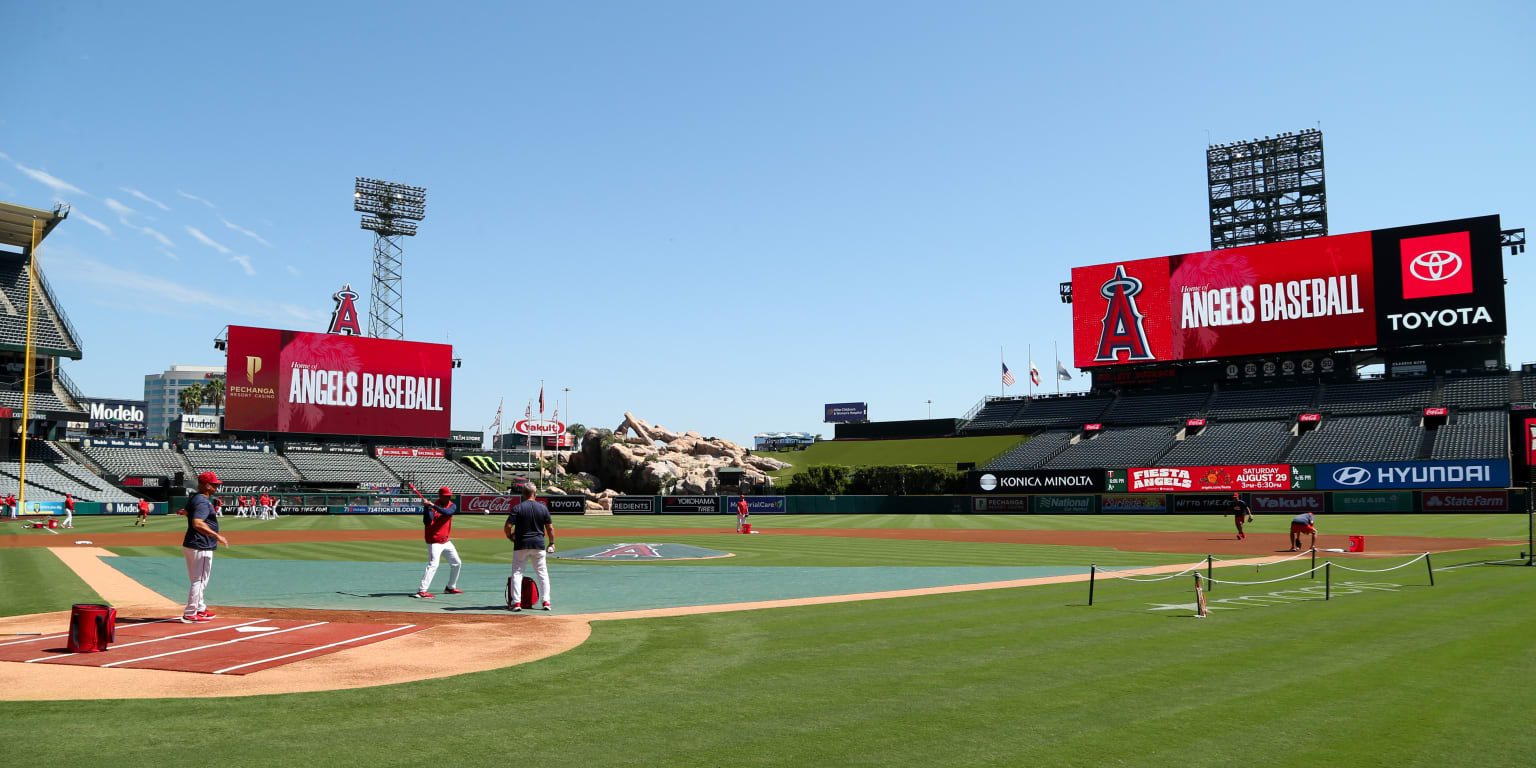
The Los Angeles Angels were not bought for a reported $4 billion because baseball is fun. Stan Kroenke bought control because a mediocre team sitting on 150 acres in Southern California can become an extraordinary business.
That is the bit sports fans routinely miss. They’ll debate whether Kroenke will spend on pitchers, whether Mike Trout finally gets a proper crack at October, or whether Arte Moreno’s exit ends two decades of frustration. Fair enough. But if you think the real return on this deal comes from batting averages, you’re looking at the wrong bloody scoreboard.
The core deal: Stan Kroenke just paid a record price for control
Kroenke Sports & Entertainment has agreed to acquire a controlling interest in the Angels from the Moreno family. The deal is expected to close in the first quarter of 2027, subject to Major League Baseball approval. Reported at roughly $4 billion, it tops the $3.9 billion José Feliciano’s Clearlake Capital paid for the San Diego Padres. ([axios.com](https://www.axios.com/2026/09/02/stan-kroenke-los-angeles-angels-arte-moerno))
Moreno paid $184 million for the Angels in 2003. Put bluntly: the reported sale value is more than 21 times his purchase price before you even start arguing about dividends, debt, operating losses, tax treatment or what he did wrong along the way. ([axios.com](https://www.axios.com/2026/09/02/stan-kroenke-los-angeles-angels-arte-moerno))
Kroenke is not a bloke who woke up one morning and decided he needed another logo on the office wall. He already controls the NFL’s Los Angeles Rams, the NBA’s Denver Nuggets, the NHL’s Colorado Avalanche, MLS’s Colorado Rapids, Arsenal’s men’s and women’s football teams, and the venues around several of those assets. Forbes estimates his existing sports stakes at around $22 billion net of debt, bought over time for roughly $2.4 billion, or about $3.8 billion in today’s dollars. ([forbes.com](https://www.forbes.com/sites/hanktucker/2026/09/06/new-angels-owner-stan-kroenke-has-already-made-nearly-20-billion-on-his-sports-teams/))
Once the Angels transaction closes, Kroenke is set to become the first person to control teams across North America’s five major men’s leagues. That sounds like trivia until you understand what it gives him: year-round live content, sponsorship inventory, customer data, hospitality demand, ticketing leverage and a powerful negotiating position with media and commercial partners. ([forbes.com](https://www.forbes.com/sites/hanktucker/2026/09/06/new-angels-owner-stan-kroenke-has-already-made-nearly-20-billion-on-his-sports-teams/))
Mike Trout is the headline. The land is the prize.
The Angels have Mike Trout under contract through 2030. Shohei Ohtani is gone, now winning across town with the Dodgers. The club has not made the playoffs in more than a decade and has not won a playoff series in 17 years. That is why Angels supporters see this as a rescue operation, and frankly, they have every right to. ([axios.com](https://www.axios.com/2026/09/02/stan-kroenke-los-angeles-angels-arte-moerno))
But the overlooked part is Angel Stadium.
Anaheim owns both the stadium and the land. The Angels’ current lease runs through December 31, 2032, with two extensions that could keep the club there through 2038. The stadium sits on a 150-acre site. MLB has reported that KSE could seek to buy the land and stadium and potentially develop the site, though no specific plan has been announced. ([mlb.com](https://www.mlb.com/news/angels-team-sale-ownership-change-faq))
That last sentence matters more than 90% of the early commentary.
Kroenke’s real skill is not merely collecting teams. It is turning sport into an anchor tenant for far larger commercial ecosystems. The Rams’ SoFi Stadium did not land in Inglewood as a stand-alone football venue. It sits within the 300-acre Hollywood Park development. In Denver, Kroenke’s group is pursuing a 55-acre development around Ball Arena, including residential buildings, a hotel and a concert venue. ([forbes.com](https://www.forbes.com/sites/hanktucker/2026/09/06/new-angels-owner-stan-kroenke-has-already-made-nearly-20-billion-on-his-sports-teams/))
A baseball team gives you 81 regular-season home dates before playoffs. A properly built precinct can give you revenue on the other 284 nights as well: concerts, food, hotels, office space, retail, premium events and year-round sponsorship exposure. The team gets the headlines. The precinct pays the bills.
Why $4 billion is not as mad as it looks
A $4 billion cheque for a team with a lousy recent record looks insane if you value it like a normal operating business. That is the rookie mistake.
Sports franchises are not normal businesses. There are only so many of them. MLB is not handing out Angels-sized franchises every Tuesday. The supply is brutally constrained, the brands are deeply embedded in their cities, and the biggest clubs possess one asset that every streaming platform, advertiser and gambler still wants: live attention that people watch at the same time.
Forbes says MLB franchise values have more than doubled on average over the past decade. It also notes that the five major North American men’s leagues contain only 154 franchises combined, even after recent MLS expansion. Scarcity is not a slogan here; it is the whole game. ([forbes.com](https://www.forbes.com/sites/hanktucker/2026/09/06/new-angels-owner-stan-kroenke-has-already-made-nearly-20-billion-on-his-sports-teams/))
Kroenke has also shown what happens when the right asset is paired with the right market. Forbes estimates the Rams generated $764 million in revenue in 2024 and $244 million in operating income, after moving from St. Louis to Los Angeles and building out the SoFi ecosystem. The franchise was valued at $10.5 billion in 2025. ([forbes.com](https://www.forbes.com/sites/hanktucker/2026/09/06/new-angels-owner-stan-kroenke-has-already-made-nearly-20-billion-on-his-sports-teams/))
That does not mean the Angels will become the Rams. Baseball has different economics, Anaheim is not Inglewood, and the Angels have their own political and lease constraints. Anyone telling you a new stadium or a giant mixed-use project is inevitable is making things up.
What is obvious, though, is that Kroenke has bought an option. He has bought the right to spend the next few years assessing whether the best move is to renovate Angel Stadium, build anew, acquire more control of the land, or push for a broader entertainment district. Options on scarce assets are often worth more than certainty in ordinary ones.
The contrarian angle: Angels fans should not demand a spending spree first
The instinct after an ownership sale is always the same: spend more on players. Sign the free agent. Trade for the big arm. Throw money around and call it ambition.
That is how impatient owners torch capital.
MLB’s own reporting suggests Kroenke typically takes a measured approach after acquiring franchises, with an emphasis on research and development, technology, front-office talent and player development before indiscriminate splurging. The Angels’ leadership has said it is too early to know how the pending sale will affect offseason strategy. ([mlb.com](https://www.mlb.com/news/angels-team-sale-ownership-change-faq))
Good. That is the grown-up answer.
The Angels do not merely need a larger payroll. They need a better machine: scouting, development, medical performance, decision-making, succession planning and accountability. A fat cheque without an operating system is just an expensive way to buy headlines.
Moreno’s era is proof enough. He bought a club for $184 million, saw its value soar, employed stars including Trout and Ohtani, yet left fans staring at a dreadful competitive stretch. Value creation for an owner and winning for supporters are related, but they are not the same thing. A competent new owner needs to improve both.
Kroenke’s track record says he understands patience. His critics would say that patience can look like distance or indifference. Both can be true. But for the Angels, distance from day-to-day meddling may be exactly what they need—provided the people doing the day-to-day work are excellent.
The real second-order implication: sport is becoming property with a scoreboard attached
This deal is another reminder that elite sport is drifting away from the old image of the passionate local owner writing cheques for a hobby. It is becoming infrastructure.
The best operators do not buy a club, a stadium and a parcel of land as three separate things. They see one flywheel. The team drives attention. Attention sells tickets. Tickets support premium hospitality. Hospitality attracts sponsors. The venue hosts other events. The precinct makes the destination useful every day, not merely on game day. Better economics fund a better team. Then the flywheel gets another shove.
That is why the Angels transaction is bigger than a change of owner. It is a test case for whether one of baseball’s most underperforming big-market clubs can be rebuilt as a modern sports-and-entertainment platform.
And it should make every operator pay attention. The businesses with the best valuations are often not the ones with the best product in isolation. They are the ones controlling the customer relationship, the distribution, the physical or digital real estate around the product, and the ability to monetise demand more than once.
What this means for you
First: do not confuse the visible product with the real asset. In sport, the game is visible; the land, media rights, data and premium inventory are often where the serious money sits. In your business, ask what sits behind the product customers see. Is it distribution? A database? A licence? A location? A trusted brand? Find the thing that compounds.
Second: buy or build optionality before you need it. Kroenke has not announced an Angels stadium project. He does not need to. Owning control of the club gives him time and leverage to assess several valuable paths. Operators get richer by creating choices, not by locking themselves into one heroic plan.
Third: fix the machine before feeding it more fuel. If your sales process, hiring, product development or customer service is broken, more marketing spend will only make the mess larger. The Angels do not need a sugar hit; they need institutional competence. So do most businesses.
Finally: pay up for scarce assets only when you understand the flywheel. A $4 billion valuation can look ridiculous to somebody staring at last season’s results. It looks more rational when you see a scarce MLB franchise, a major Southern California market, a global sports portfolio and potential real-estate upside sitting together.
That is the lesson. Don’t buy the shiny thing because everyone is watching it. Buy the control point that keeps making money after the crowd has gone home.