Steve Ballmer, Kawhi Leonard and the Clippers’ $30M Lesson in Rule-Breaking
A $30 million fine is pocket lint to Steve Ballmer. Losing five first-round picks and a year of control is the part that should terrify every owner and operator.
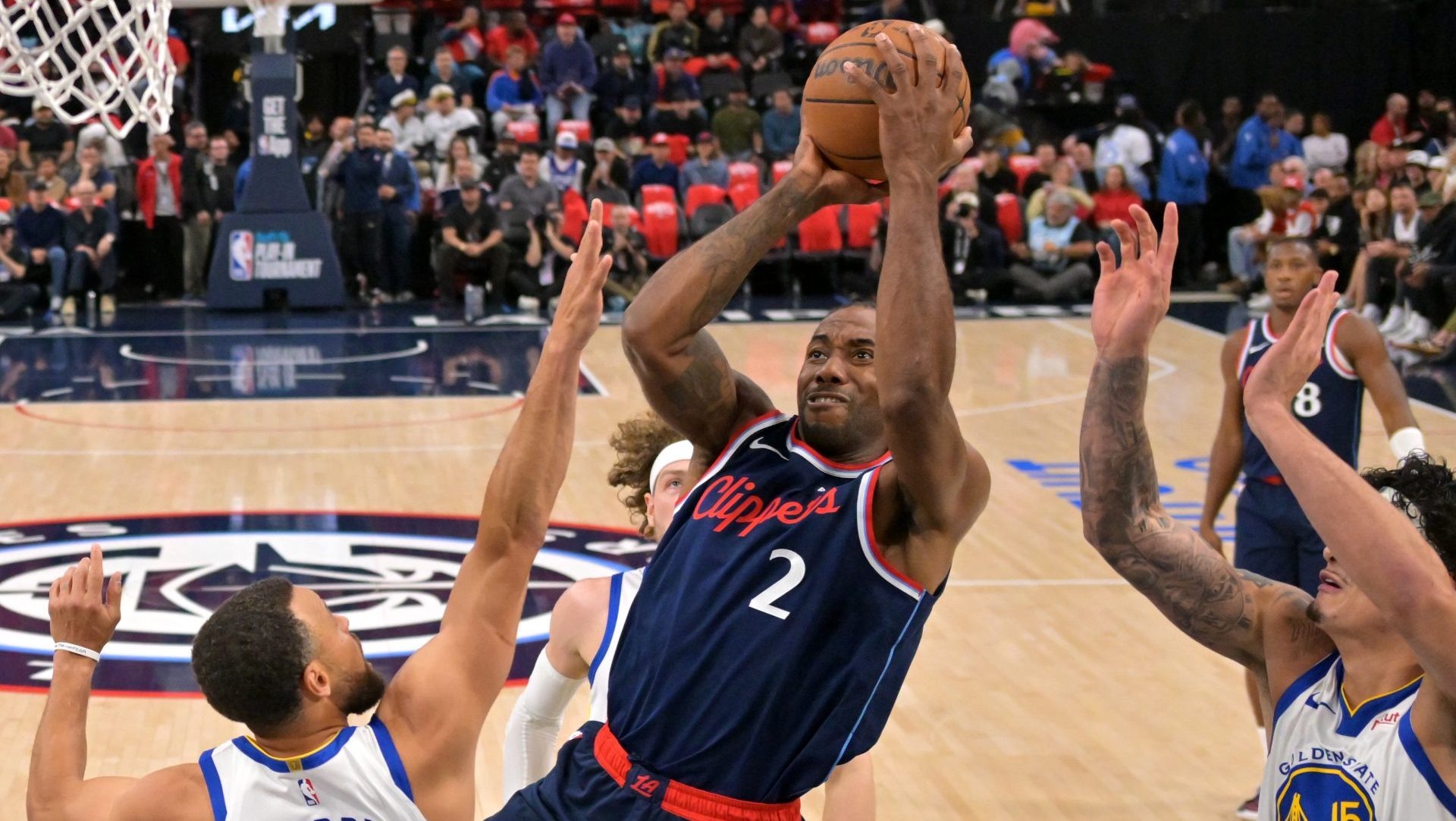
$30 million is not a punishment when you are Steve Ballmer. It is a rounding error with better PR.
What hurts is the NBA taking five first-round picks from the Los Angeles Clippers, suspending Ballmer for a year, and publicly declaring that the billionaire owner helped Kawhi Leonard get paid outside the salary-cap system. That is not a fine. That is the league telling every sports owner: your money does not put you above the operating system.
On September 2, the NBA announced penalties after an independent investigation into the Clippers and Leonard. The club loses first-round picks in each draft from 2029 through 2033, pays a $30 million fine, and enters a five-year league compliance and monitoring program. Ballmer is suspended from all league and team activities for one year. Clippers president of business operations Gillian Zucker received a one-year unpaid suspension; president of basketball operations Lawrence Frank received six months unpaid. Leonard must pay $700,000, while his uncle and former business manager, Dennis Robertson, is barred from dealing with NBA teams for five years. [The NBA’s announcement](https://pr.nba.com/nba-investigation-clippers-kawhi-leonard/) and [the independent investigators’ summary report](https://www.wlrk.com/la-clippers-report/) set out those findings and penalties.
That is an astonishing bill for trying to get cute.
The core story: the Clippers tried to make player pay look like sponsorship
The NBA says the Clippers violated the collective bargaining agreement’s salary-cap circumvention rules by initiating and facilitating off-court income opportunities for Leonard with four companies that did business with the team: Aspiration Partners, Boingo Wireless, Daktronics and Lockton Insurance.
According to the league, the Clippers induced those companies to enter endorsement arrangements by offering them team business, paid personal expenses for Leonard and his representatives, and failed to report improper requests for off-court income made on Leonard’s behalf. Those are the league’s findings, not loose media speculation. They are detailed in [the NBA announcement](https://pr.nba.com/nba-investigation-clippers-kawhi-leonard/) and [the investigators’ report](https://www.wlrk.com/la-clippers-report/).
The underlying commercial logic was obvious enough. Leonard signed a three-year, $103 million Clippers contract in July 2019. The NBA investigation found that three endorsement deals arranged through companies connected to the club totalled $18 million, paid by August 2021. The league’s conclusion was that the arrangements were not genuine arms-length endorsements at all, but a pathway to add compensation outside the cap.
That distinction matters. An NBA salary cap is not a polite suggestion. It is the fundamental pricing mechanism for the league’s labour market. If one franchise can quietly top up a star player through vendors, sponsors and friendly third parties, the cap becomes theatre. The richest owner wins because he has the most companies to ring.
The Clippers reject the NBA’s conclusions and say the investigation was biased. They have said they will challenge the sanctions. But the NBA and National Basketball Players Association have entered an agreement describing the penalties as final and binding. That does not mean the noise ends. It means the league has made its formal call, and it is a brutal one. [Front Office Sports](https://frontofficesports.com/article/kawhi-leonard-clippers-nba-report/) also reported the sanctions and Ballmer’s one-year ban.
Why five draft picks sting more than $30 million
Fans will fixate on Ballmer’s suspension because it is headline material. Fair enough. You do not often see the owner of an NBA team banned for a year.
But the five first-round picks are the real commercial damage.
Draft picks are not merely young players. They are inventory. A first-rounder can become a starter, a cheap contributor, a trade chip, or the sweetener that gets an unhappy superstar through the door. They give a front office options when its current roster ages, contracts turn ugly or a title window slams shut.
The Clippers do not lose those picks until 2029. That delay is important: it means the punishment is designed to outlive the immediate scandal and reach into the next phase of the franchise. Whoever runs basketball operations then will inherit less flexibility because people years earlier decided the rules were for other people.
This is the bit business owners routinely underestimate. A fine is a one-off expense. A loss of optionality compounds.
A $30 million cheque disappears into the accounting statements. Five missing first-round picks can distort roster construction for half a decade. The opportunity cost is not one player; it is all the choices you cannot make when another team asks for one more pick to close a trade.
If you want the blunt version: Ballmer can afford to lose money. The Clippers cannot easily afford to lose futures.
The background: a star, a cap and the temptation to outsmart both
Leonard joined the Clippers in 2019 as the franchise chased the thing every ambitious owner wants: relevance becoming contention, and contention becoming a championship.
There is nothing wrong with paying a superstar. There is nothing wrong with helping a player build a legitimate off-court business career either. Athletes should make every legal dollar they can while their earning window is open.
The line is crossed when the club is no longer simply introducing a player to commercial opportunities but is using business relationships to create compensation it could not legally put on the payroll.
That is why this story is bigger than Leonard, Ballmer, Zucker or Frank. The NBA’s modern economy is thick with overlapping relationships: team sponsors, arena partners, media companies, brands, founders, agents, family offices, private equity people and player entourages. Everyone knows everyone. A casual introduction can be harmless. A sponsor deal might be real. But when a team directs the traffic, sets terms, exchanges commercial favours and the player’s deal lacks the basic public logic of an endorsement, the conflict is not subtle.
The NBA’s finding that the Clippers were a prior offender makes the punishment even sharper. This was not treated as an accidental paperwork cock-up. The league called it a pattern of misconduct and multiple significant violations. Those characterisations come from [the NBA’s findings](https://pr.nba.com/nba-investigation-clippers-kawhi-leonard/) and [the independent investigators’ report](https://www.wlrk.com/la-clippers-report/).
That language is what every operator should notice.
The overlooked angle: this is a governance failure, not a basketball scandal
Most people will frame this as a Kawhi Leonard story. It is not primarily one.
It is a governance story about a business with too much money, too many relationships and apparently too little fear of a hard “no.”
The NBA’s penalties reach across ownership, business operations, basketball operations, the player and his representative. That tells you the alleged conduct was not sitting in one rogue employee’s inbox. The investigation found institutional and leadership failures.
This is exactly how expensive messes happen in normal companies too. Nobody wakes up and says, “Let’s commit a giant breach today.” Instead, people make a series of clever little exceptions. Someone important asks for help. A sponsor wants access. A commercial deal makes another commercial deal easier. The person who should stop it is worried about upsetting the founder, the rainmaker or the star employee.
Then the workaround becomes a system.
Smart operators do not build compliance departments so they can say “no” to minor things. They build them so the company can keep saying “yes” to legitimate opportunities without accidentally converting favours into liability.
The Clippers case also puts every sponsor and vendor on notice. If you do business with a team, you cannot assume a player arrangement is just private commercial activity because it sits in a separate contract. If the club has connected the dots, offered consideration or helped structure the deal, you may be standing inside the team’s risk perimeter whether you realise it or not.
Money did not buy the Clippers an edge. It bought them scrutiny.
Here is the contrarian bit: the NBA’s toughest move was not anti-owner. It was pro-owner.
The league’s value rests on the belief that the rules apply to all 30 clubs. Owners who follow the cap need to know they are not competing against a billionaire with an unofficial payroll hidden in sponsor agreements. Players need to know the market is real. Fans need to believe a small-market team has some chance beyond turning up to make numbers.
A soft penalty would have been worse for the NBA’s business than it was for the Clippers. It would have told every team that the upside of cheating is a championship shot and the downside is an affordable invoice.
Instead, the league made the punishment structurally painful: picks, suspensions, monitoring and public findings. Whether you think the Clippers deserve every piece of it is beside the point. The NBA has made clear that “creative compensation” is now one of the fastest ways to destroy a franchise’s flexibility.
And that should make other owners very nervous.
What this means for you
You do not run an NBA franchise. Good. Your problems are probably cheaper.
But the lesson travels perfectly.
First, never let a commercial deal solve an employment problem. If you need to pay a key employee more, pay them properly, document it properly and get the approvals required. Do not disguise compensation as consulting, sponsorship, a vendor rebate, a family arrangement or a mate’s investment. Clever structures are often just bad decisions wearing a suit.
Second, map your conflicts before a crisis maps them for you. List your major suppliers, sponsors, advisers, executives and their related parties. Then ask one simple question: could a reasonable outsider believe this relationship is buying influence? If the answer is “maybe,” bring in independent legal and financial review before signing anything.
Third, protect optionality like it is cash. The Clippers’ five lost picks are a masterclass in compounding consequences. In your business, optionality might be clean cap tables, unspent borrowing capacity, retained talent, trusted suppliers or a reputation that lets you recruit well. Do not burn long-term choices for a short-term win.
Finally, build a culture where somebody can tell the boss no. Especially the boss. If your best people cannot challenge a dumb idea because it came from the founder, the owner or the rainmaker, you do not have a high-performance culture. You have a delayed explosion.
Steve Ballmer will survive this. Kawhi Leonard will survive this. The Clippers will eventually draft players again.
But a $30 million fine is nothing compared with the cost of proving, in public, that your organisation confused wealth with immunity. That is a mistake no serious operator should need five missing draft picks to understand.