Torrente’s $100 Tequila Win Exposes the Premium Spirits Trap
A $100 bottle just won Best New Tequila of 2026. That does not mean premium tequila is booming—it means the survivors are being forced to earn every dollar.
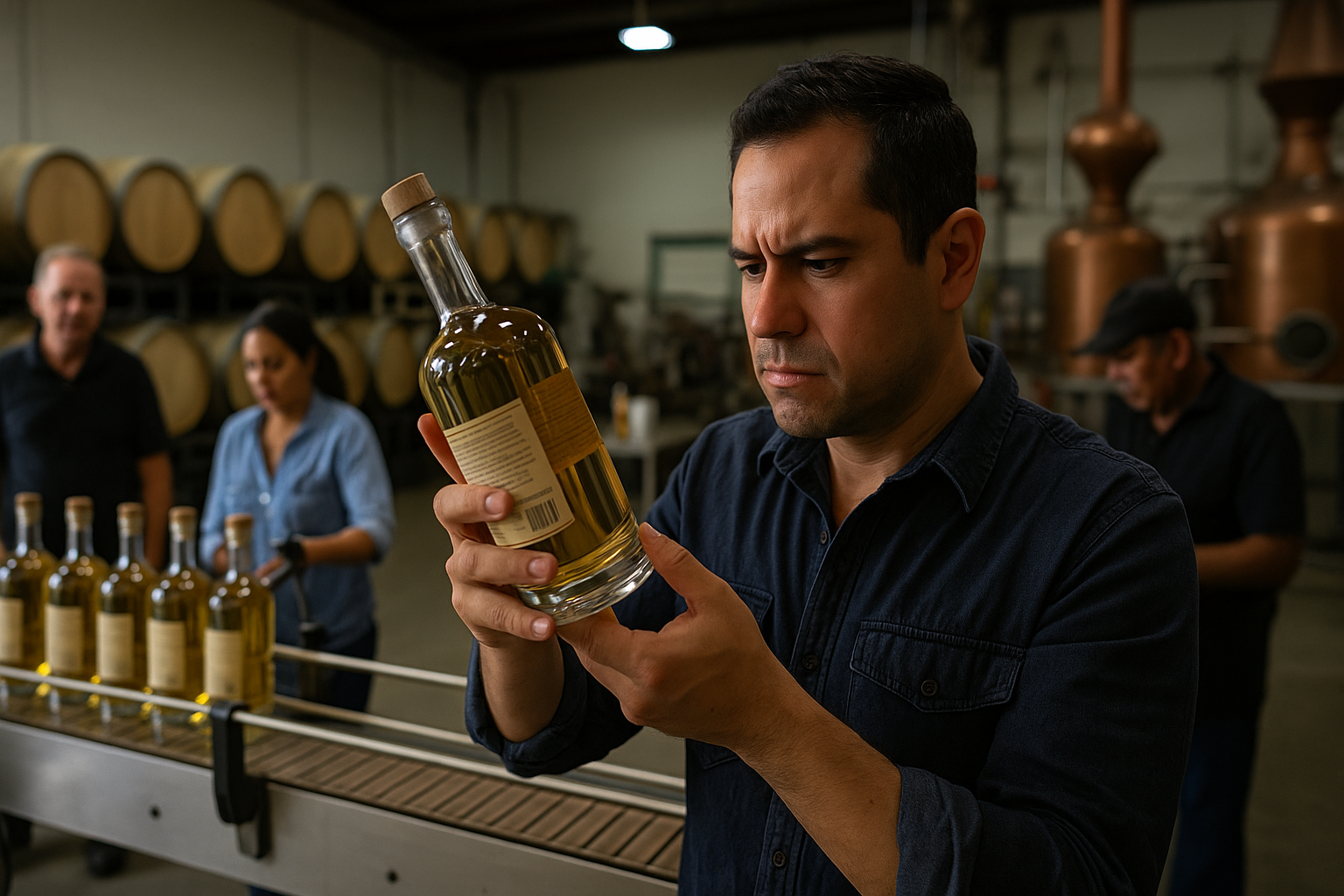
A $100 bottle just won Best New Tequila of 2026. That does not mean premium tequila is booming—it means the survivors are being forced to earn every dollar.
Torrente won the trophy. The market delivered the warning.
On August 30, Torrente High Proof Blanco was named Best New Tequila of 2026 by the San Francisco World Spirits Competition. It is a 100-proof blanco, sells for about US$100, and comes from a barely year-old brand making a serious pitch around regenerative agriculture, chemical-free agave growing and recycled glass.
Good on them. A new brand winning anything meaningful in tequila is hard work. Winning with a high-proof blanco rather than another bottle dressed up in barrel spice, celebrity gloss or nightclub nonsense is even more interesting.
But don’t make the lazy conclusion: “Great, premium tequila is flying again.”
The broader US spirits market shrank 2.2% in 2025 to US$36.4 billion, according to the Distilled Spirits Council figures reported by Forbes. Tequila and mezcal were among the categories where demand fell. Meanwhile, ready-to-drink cocktails grew 16% to US$3.8 billion.
That is the actual story for founders, investors and operators. The market has stopped rewarding the vague promise of premium. It is rewarding products with a reason to exist, a job in the consumer’s life and an offer people can understand without needing a brand ambassador to explain it.
Torrente’s award matters because it is a sharp example of that shift.
A US$100 blanco has to be more than a pretty bottle
A US$100 tequila is not competing with the bottle next to it on a liquor-store shelf. It is competing with a restaurant meal, a decent bottle of Champagne, a night out, an ETF contribution, or the very rational decision to spend nothing at all.
That is especially true for blanco tequila. Añejo and extra añejo have an easy sales story: age, oak, scarcity, luxury. Plenty of brands lean on that because wood gives marketers something familiar to sell. It also gives them cover. A customer can see colour in the bottle and tell themselves they are buying something more sophisticated.
Blanco has nowhere to hide.
Torrente High Proof Blanco is bottled at 100 proof. The San Francisco competition’s published tasting notes describe green agave, florals, dried herbs, spice, roasted agave, honeyed sweetness and earthy depth. Whether you agree with every tasting note is beside the point. The commercial point is much cleaner: high proof is visible, intelligible differentiation. It tells the buyer this is not intended to disappear under lime juice and sugar.
That matters because premium buyers have become better at sniffing out fake complexity. They do not necessarily need to know every production detail. But they can tell when a brand is charging luxury money for a generic liquid, a celebrity face and a paragraph of beige nonsense about “heritage.”
Torrente has built a proposition a customer can repeat: high-proof blanco, regenerative positioning, recycled glass, roughly US$100. Four facts. No PowerPoint required.
That is good brand architecture.
The real competition is not other tequila brands
The tequila industry spent years mistaking distribution growth for brand strength. A label got into enough accounts, landed a few social posts, put a famous person on the cap table and suddenly everyone started talking as though it had built a durable business.
It had not. It had rented attention.
When money was loose and consumers were happily trading up, a lot of brands could get away with being broadly “premium.” The category itself did most of the lifting. Tequila’s cultural rise, margarita demand, Mexican food’s continued influence and the broader move from shots toward sipping all created a tide that floated a lot of questionable boats.
That tide is lower now.
A weaker overall spirits market changes the maths brutally. Distributors become less patient. Retailers look harder at velocity. Bars cut dead stock. Consumers who might once have bought three bottles to try now buy one bottle they already trust. The middle gets squeezed first: not cheap enough to be an easy everyday purchase, not distinctive enough to feel worth the splurge.
This is why a competition win can matter, but only if the brand knows what to do with it. An award is not a business model. It is a piece of third-party proof. Used properly, it gives a small brand an excuse to get a better meeting with distributors, retailers, bartenders and serious drinkers. Used badly, it becomes another gold sticker in an industry already covered in gold stickers.
The brands that win from here will turn recognition into repeat purchase. That means product education, pricing discipline, reliable supply and clear occasions for drinking the thing.
Not “luxury.” An occasion.
Is Torrente a dinner-party pour? A tequila nerd’s benchmark? A gift for someone who already owns Don Julio 1942? A bartender’s serious margarita base despite the price? The clearer the answer, the more likely US$100 makes sense.
Regenerative tequila is a stronger idea than “sustainable” tequila
The overlooked part of Torrente’s story is not the medal. It is the regenerative claim.
The brand says it uses agave grown on farms designed to restore soil health and ecosystems, without herbicides, pesticides or fungicides, and calls itself the world’s first certified regenerative tequila. It also uses 100% recycled glass and has a designated “Soil Guardian.”
Now, I have a healthy allergy to sustainability theatre. Put a leaf on a label, use a brown carton, talk about “the planet,” then quietly run the same old extractive operation—seen it a thousand times.
But regenerative agriculture is at least pointed in the right direction because it forces a more useful question: are you merely reducing damage, or are you improving the system that produces your raw material?
For tequila, that is not a fluffy question. Agave is a long-cycle crop. Supply, farming methods, quality and producer relationships are not background details; they are the guts of the business. Anyone can commission a bottle design. Not everyone can build a supply chain that gets stronger rather than shakier as the brand grows.
That is why this kind of positioning can be commercially valuable if it is substantiated. It gives a serious buyer something deeper than celebrity or packaging to believe in. It can also create internal discipline. If you claim to care about soil, you had better know your growers, your inputs, your yields and your waste streams.
Those are not marketing metrics. They are operating metrics.
The contrarian view: US$100 may be too cheap for the story—or too expensive for the market
Here is the uncomfortable bit. Torrente’s price may be exactly right, or it may be trapped.
At US$100, it is high enough to signal intent and protect margins. It is low enough to sit below the ridiculous trophy-bottle end of tequila, where price itself becomes the product. But it is also right in the danger zone: expensive enough to demand conviction, yet not expensive enough to automatically become a status purchase.
That means the brand cannot rely on aspiration alone.
If a customer buys it, they need to feel the liquid delivers. If a bartender recommends it, the bartender needs to believe in it. If a retailer stocks it, it needs to move without permanent discounting. Those are much tougher tests than getting a nice write-up after an award.
The category’s temptation will be to chase the Torrente story with more US$90-to-US$150 bottles and more environmental language. That would be the wrong lesson.
The right lesson is this: specificity sells when consumers are cautious.
High proof is specific. A clear farming claim is specific. A meaningful production choice is specific. A price that matches a defined occasion is specific.
“Premium crafted tequila inspired by tradition and modernity” is not specific. It is the verbal equivalent of pouring soda water into a good drink.
While building Agave Finder, I keep seeing the same problem from the consumer side: people want help sorting signal from rubbish. They do not need another brand sermon. They want to know what the bottle is, where it fits, what it tastes like, what it costs and whether it is worth buying.
The businesses that make that decision easier will win more often than the ones shouting loudest.
What this means for you
If you are building a spirits brand, stop asking whether your product looks premium. Ask whether a buyer can explain, in one clean sentence, why it costs what it costs.
Write that sentence without the words “authentic,” “craft,” “journey,” “elevated” or “passion.” If it collapses, you do not have positioning yet. You have decoration.
If you are an investor, be wary of tequila decks that lead with category growth charts and celebrity access. Demand evidence of repeat purchase, distributor pull-through, gross margin after promotions, production resilience and a customer acquisition plan that does not depend on free bottles and Instagram.
If you run a bar or retail shop, use awards as a starting filter, not the final answer. Taste the product. Ask whether staff can sell it in ten seconds. Give it a clear role: sipping, gifting, cocktails, high-proof exploration or food pairing. Then watch how quickly it earns its shelf space.
And if you are simply buying tequila, spend less time hunting the bottle everyone says is “the best” and more time asking what you want it to do. A US$100 blanco can be brilliant. But only if you are buying flavour, provenance and purpose—not a story you have to work too hard to believe.
Torrente’s win is not proof that the tequila gold rush is back. It is proof that the next winners will need more than a nice label and a famous mate. Frankly, good. The industry will be better for it.