Trump’s Sept. 29 Canada Alcohol Ban Puts Spirits Supply Chains at Risk
A 50% tariff was already ugly. An outright ban on Canadian alcohol from September 29 is how governments turn supply chains into political hostages.
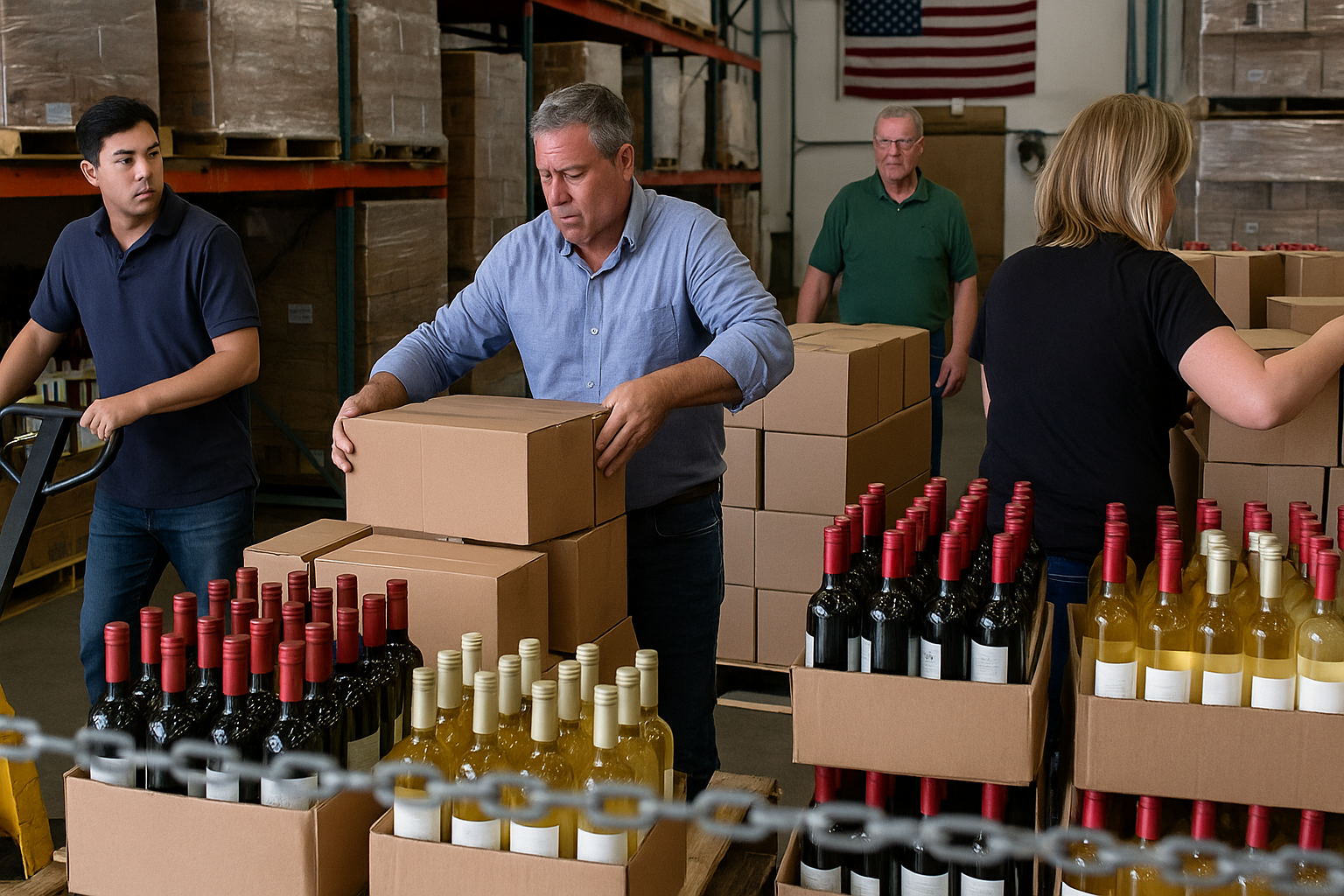
A 50% tariff was already ugly. An outright ban on Canadian alcohol from September 29 is how governments turn supply chains into political hostages.
And before anyone cheers because they don’t drink Canadian whisky, understand the real lesson: once governments decide a bottle is a trade weapon, nobody in the drinks business gets to pretend their supply chain is safe.
This is no longer a pricing problem
On September 8, President Donald Trump signed proclamations that will block imports of specified Canadian alcohol, dairy products and motorcycles from September 29. The alcohol measures cover a broad range of Canadian beer, wine and spirits. This is a meaningful escalation from the 50% additional duties that had already been hitting affected Canadian goods.
There is a big difference between an expensive product and an unavailable product.
A tariff lets a brand raise prices, absorb pain, cut a distributor deal, reduce marketing, perhaps shift its pack size or wait for the politicians to calm down. None of those tricks work when the product cannot enter the country. You cannot discount your way around a border closure.
The administration’s argument is that Canada has discriminated against US alcohol through provincial restrictions on American bottles. Canadian provinces began pulling or restricting American alcohol from shelves during the earlier stages of the trade dispute. Washington has now decided to answer a retail-access fight with an import ban.
That may sound like a fair bit of geopolitical chest-beating. For operators, it is something much more boring and much more expensive: chaos in the middle of a route-to-market system built on predictability.
Canadian spirits have a very awkward exposure
The numbers make the imbalance plain. Spirits Canada says roughly half of the C$2 billion in spirits produced in Canada each year is sold into the United States. That is not a nice export opportunity. For plenty of distillers, it is the commercial engine.
Canadian producers do not simply wake up on September 30 and sell that volume somewhere else. The obvious replacement market — Canada itself — is smaller. Europe and other export markets have their own distributor relationships, labels, regulations, consumer preferences and shelf constraints. Building those channels takes years, not a panicked fortnight.
Canadian whisky is especially awkward. Its identity is tied to where and how it is made. You cannot neatly relocate production to Kentucky, slap on the old branding and call the issue solved. The legal and product rules around Canadian whisky mean the category cannot simply be manufactured in the US as a workaround.
That is why small distillers should be nervous, even if the headlines largely focus on big, familiar brands. Large suppliers have cash, inventory, lawyers, distributors and a few more levers to pull. A smaller producer may have one meaningful US importer, one handful of chain placements and a warehouse full of stock with nowhere immediately profitable to go.
Moosehead Breweries CEO Andrew Oland said the company sends 15% of its beverages to the US and has already been absorbing the cost of steep duties. His response was entirely rational: ship as much as possible before the deadline to protect retail shelf space and customer relationships.
That is the first practical consequence of a ban: a mad rush to bring forward orders. Importers load up. Warehouses fill. Retailers hedge. Freight capacity gets tighter. Then, after the deadline, the channel has distorted inventory and no clean picture of real underlying demand.
Brilliant. Exactly what a soft drinks market needed.
The category’s real asset is shelf space, not the bottle
The overlooked damage is not one lost sale. It is the loss of a place in the system.
A bar replacing a Canadian whisky with an American rye might not care much in the short term. A retailer may give that shelf to bourbon, Irish whiskey, tequila or a local craft brand. A distributor that has to explain why it cannot fulfil orders will redirect sales staff to products that can actually be delivered.
Once a brand disappears from a menu, a shelf or a distributor’s weekly call sheet, returning is painful. The replacement brand starts earning its place. The bartender learns its serves. The retailer sees its margins. The customer forms a new habit.
This is where people get trade disputes wrong. They treat them as a tax calculation. In consumer goods, they are usually a distribution calculation.
I’m building Agave Finder, and one thing is painfully clear when you look closely at spirits: consumers assume products are permanently available because they can see them in an app, a shop or an Instagram post. They are not. Availability is a commercial achievement rebuilt every day through importers, wholesalers, listings, replenishment and staff attention.
Kill any link in that chain and the brand can become invisible surprisingly fast.
The contrarian view: US producers should not get too excited
Some American whiskey producers will see this as a win. Canadian whisky loses access; domestic products get an opening. Fair enough. If you make bourbon or rye, a rival’s absence can create a short-term chance to win a menu or a shelf.
But calling this a victory for American spirits would be a bit premature.
The fight started in part because American alcohol was already being shut out or restricted in Canadian provincial channels. Canada is not the US market, obviously, but it has mattered to American exporters. One estimate cited by Kentucky television station WDRB puts the Canadian market’s potential hit to the US bourbon industry at US$43 million. That is not fatal to the biggest global suppliers. It is very real money to distillers trying to build exports beyond their home state.
More importantly, this normalises a rotten idea: alcohol is an easy thing for governments to target because it is visible, politically useful and easy for voters to understand. No politician wins applause by banning industrial components nobody can name. Ban a famous bottle, though, and everyone gets the symbolism.
That makes premium spirits unusually exposed. The category is built on national identity — Scotch, Cognac, tequila, Irish whiskey, Canadian whisky. That identity is its magic and its weakness. You cannot move it around like a generic soft drink without weakening the reason customers buy it.
The tequila crowd should pay attention. Tequila has spent years becoming more important in US bars, stores and investors’ portfolios. Its Mexican origin is not a minor supply detail; it is the product. Anyone building a tequila brand that assumes cross-border trade will remain frictionless forever is confusing a good run with a permanent right.
What smart operators do before September 29
If you import, distribute, retail or invest in spirits, do not wait for the political theatre to finish. Work the operational problem now.
First, get brutally specific on your exposure. Not “we have some Canadian brands.” List every affected SKU, its importer of record, current stock, inbound purchase order, port status, wholesale inventory and days of cover. A spreadsheet beats optimism every time.
Second, separate legal availability from physical inventory. Product already landed may be saleable under different conditions from goods that are still in transit or have not yet been entered into the US. Get proper customs advice. This is not the moment for a mate’s interpretation of a headline.
Third, protect your best placements. If you are a supplier, identify the accounts where losing your position would hurt most. If you are a retailer or bar, decide now what substitutes preserve margin and customer trust. Do not leave a confused staff member to explain it on a Saturday night.
Fourth, do not over-order blindly. Bringing forward inventory is sensible only if you have the working capital, storage and a credible sell-through plan. Panic-buying can turn a trade problem into a cash-flow problem, which is usually worse.
Fifth, investors should stop valuing drinks companies as though brand strength alone is the moat. Brand matters. But geographic concentration, border dependence, distributor control and regulatory exposure matter just as much when things get ugly.
What this means for you
The useful lesson here is bigger than Canada, Trump or whisky.
If you run a business, find the thing you assume will always be available: a supplier, a payment platform, a marketplace, a distributor, a country, a regulator’s approval. Then ask what happens if it disappears for 90 days.
If the answer is “we’d work it out,” you have not done the work.
Build a list of substitutes. Know your inventory position. Understand your contract escape routes. Protect customer relationships before a competitor gets invited in to solve the problem for you.
The spirits trade has just been reminded that a bottle can be a political pawn. The operators who come out ahead will not be the loudest ones on LinkedIn calling it unprecedented. They will be the boring, prepared bastards who already know exactly what moves next.