Tua Tagovailoa’s $99.2M Dolphins Dead-Cap Bill Is a Masterclass in Bad Risk
The Miami Dolphins are carrying a $99.2 million bill for Tua Tagovailoa to play somewhere else. That isn’t a rebuild. It’s what happens when hope gets dressed up as a financial plan.
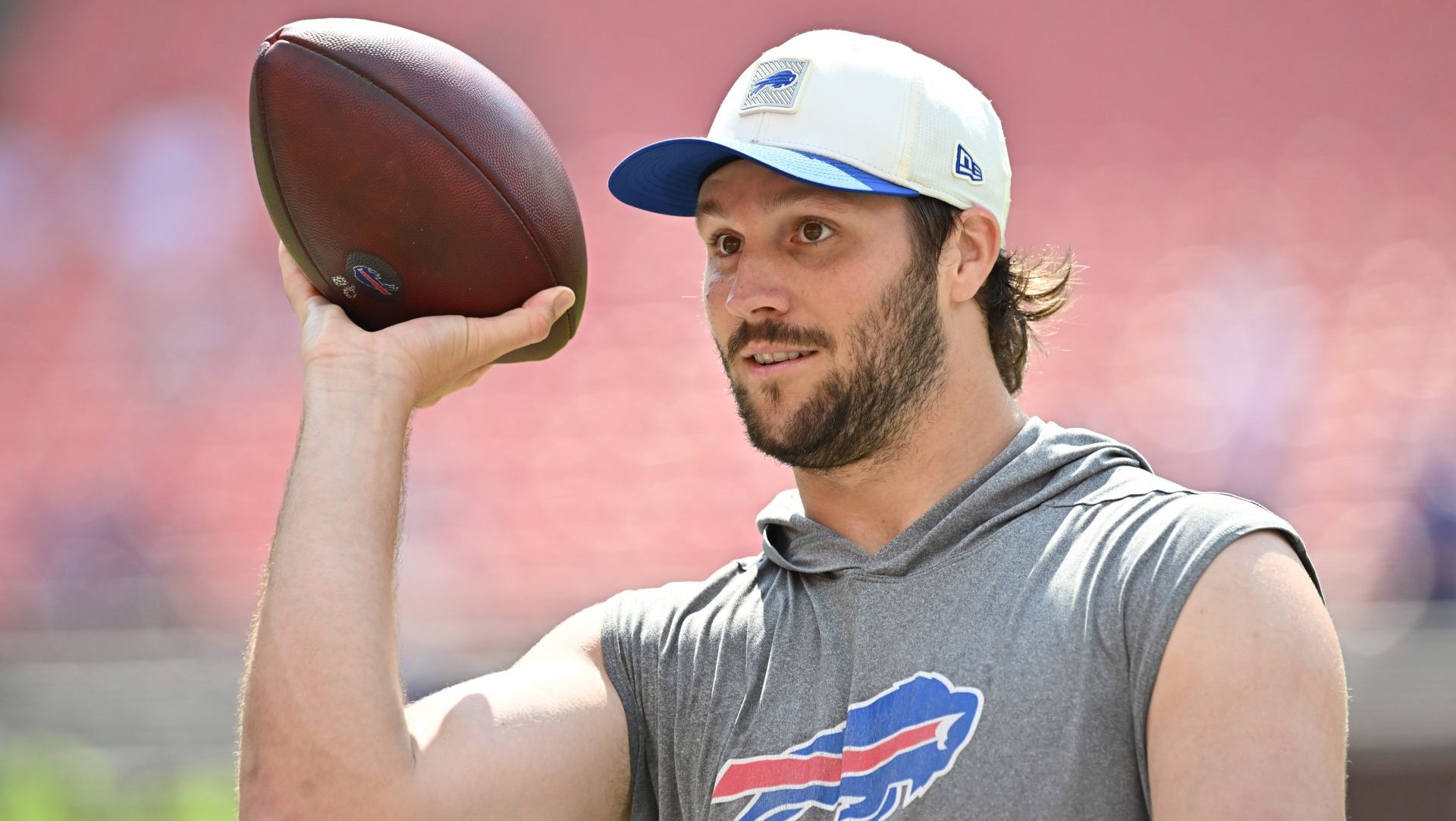
Miami have managed the sort of financial disaster that makes a bloke want to put his wallet in a safe and throw the key into the ocean: a $99.2 million dead-cap bill for Tua Tagovailoa, while he starts 2026 with the Atlanta Falcons on a one-year deal worth roughly $1.2 million.
That is not merely an expensive football decision. It is a case study in what happens when an organisation confuses commitment with conviction.
The Miami Dolphins released Tagovailoa in March, less than two years after signing him to a four-year, $212.4 million extension. The total dead-money hit is an NFL record. Miami still owes him $54 million in 2026 cash, less what he earns elsewhere, and the club is absorbing cap pain that will hang around well after the player has left the building. ([espn.com](https://www.espn.com/nfl/story/_/id/48153010/atlanta-falcons-miami-dolphins-tua-tagovailoa-michael-penix-jr-free-agency?utm_source=openai))
And as the 2026 season gets properly underway, the cost is no longer a theoretical spreadsheet problem. It is the operating environment for new coach Jeff Hafley, general manager Jon-Eric Sullivan, quarterback Malik Willis and every player asked to make Miami competitive while an absurd chunk of the cap belongs to people not helping them win games. Front Office Sports puts the Dolphins’ 2026 dead cap at $183.9 million against a $301.2 million league cap. That is more than 60 cents in every dollar of cap capacity tied up in yesterday’s decisions. ([frontofficesports.com](https://frontofficesports.com/article/qb-contracts-and-new-coaches-nfl-week-1-storylines/))
The $99.2 million lesson nobody wants to learn
Here is the uncomfortable bit: the Dolphins did not make one reckless decision. They made a sequence of very normal-looking decisions that compounded into a monster.
First, they paid a quarterback at franchise-quarterback prices. Then his form and availability stopped justifying the bet. Then the team ran out of credible alternatives. Then the contract became too ugly to trade. Finally, they paid an historic fee to get their own decision off the books.
That is how businesses get into trouble too. Not through one dramatic act of stupidity, usually. Through a hundred respectable meetings where everybody says, “We can’t walk away now.”
Tagovailoa’s 2024 extension was worth $212.4 million over four years. By the time Miami chose to release him, the club faced $99.2 million in dead money. A post-June 1 structure allowed the Dolphins to spread the accounting damage across seasons, but spreading pain is not the same as removing it. It just gives the pain a payment plan. ([upi.com](https://www.upi.com/Sports_News/NFL/2026/03/09/Miami-Dolphins-cut-Tua-Tagovailoa-dead-cap/1471773060119/?utm_source=openai))
That distinction matters. Dead cap is not literally cash being lit on fire on a Miami street corner. It is the salary-cap consequence of bonuses and guarantees already committed to a player who is no longer producing for your team. But in a league with a hard cap, that accounting consequence is brutally real. Every dead-cap dollar is a dollar that cannot buy depth, insurance, flexibility or a better player.
NFL clubs love to sell fans the word “flexibility.” Miami has purchased the opposite.
Miami’s real problem is not Tua. It is the missing option value
People will naturally make this about Tagovailoa. That is lazy.
Tua did not negotiate against himself. The Dolphins chose the deal, the guarantees and the timing. They made a decision about risk, then discovered they had not been paid enough for taking it.
A good contract is not one that looks clever when everything goes right. Any idiot can approve one of those. A good contract still leaves you with tolerable choices when the player gets hurt, declines, clashes with the scheme, or simply proves he is not the bloke you thought he was.
Miami’s agreement did not leave enough tolerable choices.
The consequence is visible everywhere. The Dolphins released Tagovailoa, then signed former Green Bay Packers backup Malik Willis to a three-year, $67.5 million free-agent deal. Willis now has to lead an organisation navigating the league’s heaviest dead-cap burden, with Tua carrying a $55.4 million 2026 cap charge in Miami’s accounting. ([frontofficesports.com](https://frontofficesports.com/article/qb-contracts-and-new-coaches-nfl-week-1-storylines/))
That is not a criticism of Willis. It is a warning about the environment around him. When a business has no room for error, every ordinary problem becomes existential. A slow start is not just a slow start. An injury is not just an injury. A free agent asking for market value is not merely annoying. It is a crisis because the business used too much future capacity on the past.
The NFL is viciously efficient at exposing this. You cannot hide a bad capital-allocation decision under a glossy earnings presentation. Sunday arrives. The roster is the roster.
The salary cap is just business leverage with helmets
Owners and executives can afford the cash. That is not the point.
The cap is a constraint designed to stop wealthy clubs from simply buying their way out of every cock-up. It turns guarantees into leverage. The more future money you guarantee, restructure or push down the road, the more of your future decision-making you hand to past assumptions.
That is why I dislike the macho obsession with “going all in.” Most of the time, it means someone is borrowing future flexibility to avoid making a hard call today.
There are moments to go all in. If you have Patrick Mahomes, Josh Allen or Lamar Jackson in their prime and a roster ready to win, you do not sit in the corner counting paper clips. But aggressive spending needs a clear reason, a limited time frame and a bloody exit plan.
Miami had a quarterback decision to make. Fine. Every club does. But the price of being wrong became so large that the franchise had to swallow a record cap hit to change course. The Dolphins may eventually recover. The NFL cap rises, poor contracts expire, drafts deliver cheap talent and a competent front office can rebuild faster than people think.
But “eventually” is doing serious work there.
In the meantime, the club is operating with a $183.9 million dead-cap burden, while its nominal league cap is $301.2 million. That means the Dolphins are not merely trying to improve the roster. They are trying to compete while carrying the financial equivalent of a grand piano on their back. ([frontofficesports.com](https://frontofficesports.com/article/qb-contracts-and-new-coaches-nfl-week-1-storylines/))
The contrarian take: cutting Tua may still have been the right move
Here is the bit that will annoy the hindsight merchants: taking the $99.2 million hit may have been the least bad option.
Once a contract becomes a sunk-cost trap, keeping the player merely because leaving is expensive is how you make an expensive mistake even more expensive.
If Miami no longer believed Tagovailoa was its answer, retaining him to avoid embarrassment would have been worse than the dead money. The club would have kept paying for a quarterback it did not truly want, delayed the search for its next answer and fooled itself into thinking an accounting problem was a football strategy.
That is corporate cowardice in shoulder pads.
The right call can still be costly. In fact, it often is. The question is whether you recognise reality early enough that the cost remains survivable.
Miami did eventually recognise it. The failure was not the willingness to cut Tua. The failure was writing a contract that made the necessary correction so grotesquely expensive.
This is why smart operators should be suspicious when a deal is sold as “player-friendly” or “team-friendly” without anyone explaining the downside case. The only question that matters is: what happens if this goes wrong?
If the answer is vague, expensive or dependent on everybody staying optimistic forever, you have not got a deal. You have got a future problem wearing a nice suit.
What this means for you
You do not run an NFL team. Good. Your mistakes probably do not get dissected by millions of people every Sunday.
But you do make commitments: senior hires, leases, equity grants, software contracts, debt facilities, partnerships and acquisitions. And each one can become your own version of dead cap.
Use this tomorrow:
1. Price the exit before you celebrate the entry. Before signing anything meaningful, write down the exact cost of being wrong at 12, 24 and 36 months. Not the polite estimate. The ugly one.
2. Protect option value. Avoid structures that require years of perfection to work. Shorter terms, performance gates, staged investment and clean termination rights may look less glamorous, but they keep you alive.
3. Do not confuse cash with capacity. A business can have money in the bank and still be strategically broke if its future revenue, management time or borrowing power is already committed.
4. Treat sunk cost as a warning, not a strategy. The money already spent is gone. The only useful question is whether spending the next dollar improves the outcome.
5. Make one person own the downside case. Not a committee. Not a slide deck. One person whose job is to argue why the deal fails and what failure costs.
The Dolphins’ $99.2 million Tua bill is painful because it is so visible. Most bad commitments are quieter. They sit inside businesses for years, draining attention, money and momentum while everyone pretends patience is the same thing as strategy.
It isn’t.
The best operators are not the ones who never make a bad bet. They are the ones who never make a bad bet so rigid that it can bankrupt the next five good decisions.