UFC’s $7.7B Paramount Deal: Fighters Still Don’t Own the Upside
A $7.7 billion rights deal should change fighters’ lives. Instead, UFC has made watching cheaper, bonuses bigger and the real money far more secure—for everyone except most of the people getting punched.
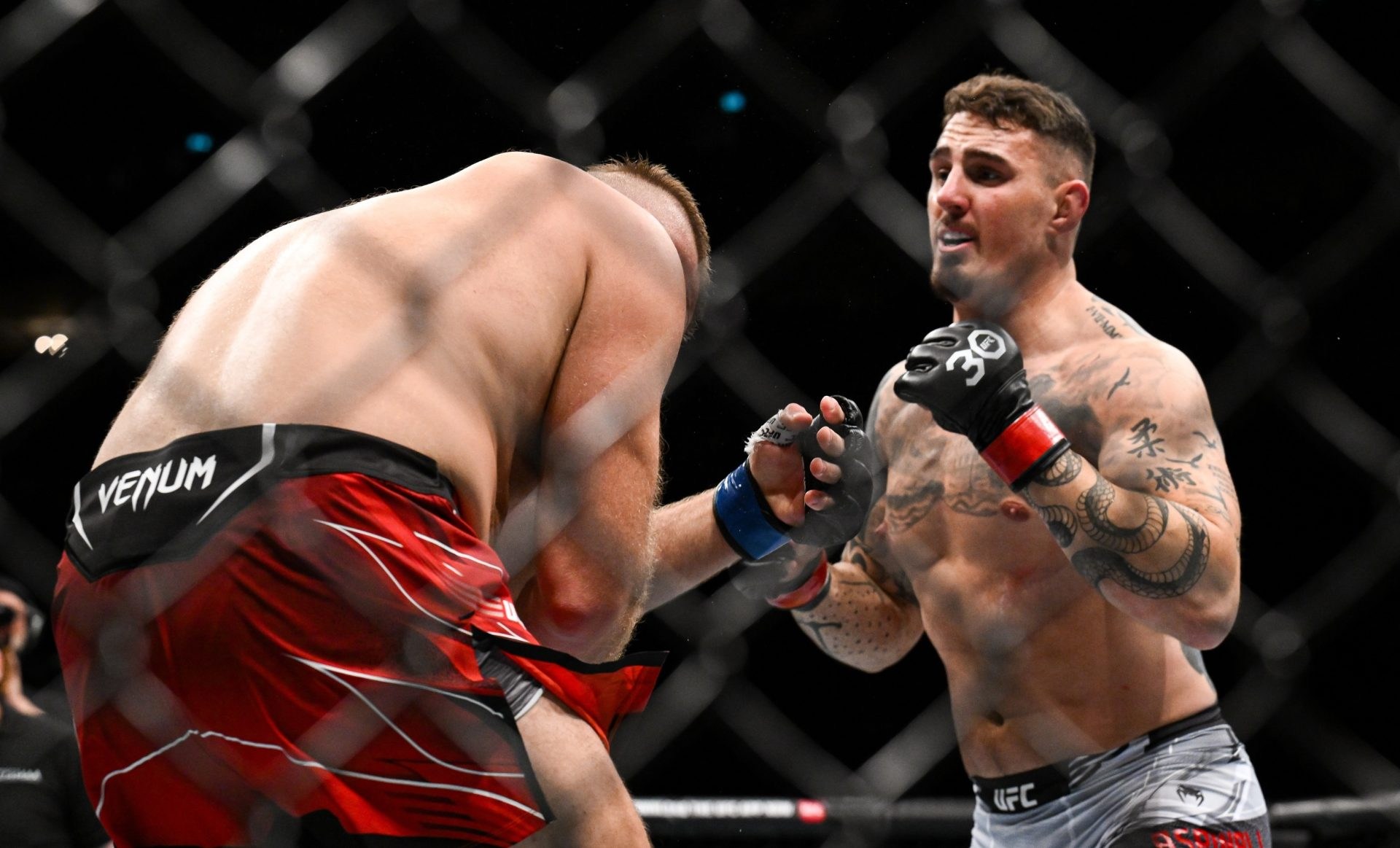
A $7.7 billion rights deal should change fighters’ lives. Instead, UFC has made watching cheaper, bonuses bigger and the real money far more secure—for everyone except most of the people getting punched.
That is not a moral outrage. It is a business lesson. And if you run a company, invest in one or sell your time for money, you should pay attention.
The $7.7 billion deal that changed everything—except the power structure
UFC’s seven-year U.S. media-rights agreement with Paramount is worth $7.7 billion, or roughly $1.1 billion a year. It began in 2026 and moved UFC’s biggest numbered events and Fight Nights away from the old ESPN+ pay-per-view model. Paramount+ now carries 13 numbered events and 30 Fight Nights in the U.S., with selected marquee cards also simulcast on CBS.
For Paramount, it is a big swing. For TKO Group, UFC’s parent company, it is a beautiful deal: recurring, contracted media money at roughly double the estimated annual value of the previous ESPN arrangement.
For fans, it is plainly better value. Under the old setup, a committed fan could pay $79.99 for each numbered pay-per-view on top of an ESPN+ subscription. Across roughly 13 major cards, that could run past $1,200 a year. Paramount+ flattened that pain into a normal streaming subscription. You can argue about the precise long-term subscription price, but the direction is obvious: the sport has become cheaper and easier to consume.
That matters because reach matters. The first UFC-on-Paramount+ period in the U.S. and Latin America produced more than 10 million households and more than 100 million hours watched, according to Paramount and UFC. The companies said that was more than 15 times the average pay-per-view event over the previous two years.
So the product has expanded. The audience has expanded. The guaranteed revenue has expanded.
Now ask the only question that matters: who negotiated the contractual right to share in that expansion?
Not most fighters.
Dana White raised bonuses. That is not the same thing as sharing the upside
Dana White and UFC did not do nothing. Beginning with UFC 324 in January, the promotion doubled its standard Fight Night bonuses from $50,000 to $100,000. It also added a $25,000 payment for every athlete who earns a finish but does not receive one of the bigger bonuses.
Good. A hundred grand is real money. It can pay for a training camp, give an undercard fighter breathing room, help cover the ridiculous list of costs that arrives before an athlete takes home a cent: coaches, sparring partners, physios, management, travel, tax and time away from work.
But let’s not get drunk on the headline.
A bonus is discretionary, variable and selective. It rewards a small group on a given night. A guaranteed purse, a revenue share or a collectively negotiated minimum changes the economics for the whole roster.
Those are wildly different things.
Justin Gaethje has built a career on being the sort of fighter fans pay to see, and Charles Oliveira holds the UFC record for Fight Night bonuses. Stars of that calibre can generate bargaining leverage because they have audiences, alternatives and the credible threat of making a promoter’s life harder. But the average fighter does not have that.
The average fighter has a contract, a short career, a brutal occupation and limited leverage against the dominant buyer of elite MMA talent.
That is why a higher bonus pool, while welcome, should not be confused with a new labour model. It is the company deciding to be more generous. It is not the workforce owning a defined slice of the wealth it creates.
UFC has done what every great business tries to do: control the supply
This is the part people miss because combat sports are emotional and business is boring right up until it empties your wallet.
UFC is not a league of independently owned teams bidding against one another for athletes. It is the central platform. It controls the brand, the championship belts, the rankings, the matchmaking, the broadcast machine and the biggest global route to relevance in MMA.
That creates what founders would call a moat and what workers might call a problem.
In the NFL, NBA and NHL, players have collective bargaining agreements and roughly half of defined league revenue is allocated to players. That does not make those negotiations friendly. It does mean the players have an institutional claim on the upside.
UFC fighters have historically received a much smaller share. Court documents referenced in the Le v. Zuffa antitrust litigation put historical fighter compensation below 20% of UFC revenue; more recent estimates cited by Front Office Sports put it at around 17%.
The exact percentage matters less than the mechanism. When revenue rises by hundreds of millions of dollars and labour does not have a pre-agreed share, the company decides how much of the lift flows through.
That is the whole game.
Front Office Sports made the maths painfully clear: UFC could increase fighter pay by 25% and the fighters’ share of revenue could still decline because the revenue base has grown so sharply. In other words, the athletes can get a bigger cheque and still own less of the business they power.
That is not a contradiction. It is what happens when you negotiate dollars instead of percentages.
The overlooked angle: Paramount may have made UFC even stronger
Most commentary has treated the death of pay-per-view as a consumer story. Fair enough. Fans are no longer being asked to make a fresh $79.99 decision every time a numbered card rolls around.
But the more interesting commercial outcome is that Paramount may have made UFC more powerful.
Pay-per-view created friction. A casual viewer had to be sufficiently excited by Islam Makhachev, Alex Pereira, Jon Jones, Zhang Weili or whoever was headlining to pull out a card and pay extra. Plenty didn’t.
A subscription model lowers that barrier. The fan is already inside the tent. A big fight is no longer a transaction; it is an evening’s entertainment included with a service they already have.
That can create a far larger top of funnel for new stars, sponsors and live-event demand. It can also make the company less dependent on a handful of pay-per-view monsters. Conor McGregor-level attractions are wonderful, but they also hand leverage to the attraction. A deeper, subscription-fed roster is commercially safer for the promoter.
For investors, that is compelling. For fighters, it is double-edged.
More eyeballs can make a fighter more valuable. But visibility only becomes income when the fighter can convert it into negotiating power—through a contract renewal, a rival promotion, independent sponsorship, a meaningful share of media income or a collective bargaining mechanism.
Without that, being more famous can simply mean producing more value for someone else.
Why the company will not fix this out of kindness
People keep waiting for the obvious logic: surely TKO will share more because it can afford to.
That is not how good businesses think.
TKO reported UFC adjusted EBITDA of $851 million for 2025, before the new Paramount deal fully transformed the U.S. rights economics. It also returned more than $1 billion to shareholders through dividends and repurchases in 2025. Those facts are not evidence of villainy. They are evidence that management understands its job: protect margins, build predictable cash flow and reward capital.
If you owned TKO shares, you would want exactly that discipline.
But athletes need to understand the mirror image. A company’s capacity to pay more is not a reason it will pay more. It is merely proof that the money exists.
The party that gets paid is usually the party that has negotiated entitlement, not the party that has made the most persuasive case about fairness.
What this means for you
Whether you are a founder, employee, contractor or investor, nick this lesson from UFC: never celebrate a bigger market until you know your percentage of it.
If your employer lands a massive customer, a new distribution deal or a valuation jump, do not just ask whether there is a bonus. Ask what changes in your economics. Is there a commission? Equity? A profit-share? A milestone payment? A written review date? Something measurable and enforceable?
If you are building a company, be honest about the inverse. Your best people will create far more value than you can ever pay in salary. That is business. But if you want them to behave like owners, give them a credible path to own upside. Vague promises are cheap. Percentages, options and clear incentive plans are not.
And if you are investing, look for businesses that have locked in revenue while retaining control over costs. TKO has done that with UFC. Paramount has bought an always-on live-sports engine that can reduce streaming churn. Fighters have received better bonuses, but the core structure remains intact: the platform owns the bargaining power.
That is the blunt verdict. UFC’s $7.7 billion deal is a win for fans, a monster win for TKO and a useful reminder that in every business, the money flows to whoever owns the contract—not necessarily to whoever does the hardest work.