Union Pacific’s $71.5B Norfolk Southern Acquisition Is a Bet on Fewer Excuses
A $71.5 billion railroad acquisition is not a growth strategy if it just creates a bigger company to blame when freight is late. Union Pacific is buying the right to prove scale actually works.
A $71.5 billion railroad acquisition is not a growth strategy if it just creates a bigger company to blame when freight is late.
Union Pacific is buying the right to prove that scale still works in a country already sick of corporate excuses. That is a bloody expensive privilege.
The deal is huge. The execution risk is bigger.
Union Pacific has agreed to acquire Norfolk Southern in a cash-and-stock deal valued at roughly $71.5 billion, or about $85 billion including debt. If approved, it would create the first single-line railroad network spanning the United States from the Atlantic to the Pacific.
That sounds magnificent because it is. One operator connecting eastern and western freight corridors means fewer handovers between railroads, fewer points where cargo can sit around waiting for someone else to do their job, and a cleaner alternative to moving long-haul freight by truck.
But here is the bit people gloss over when the press release starts singing: the price does not matter if the combined business cannot run trains better on day one.
Rail is not software. You cannot shove two networks together, delete a few duplicated executives, slap “America’s first transcontinental railroad” on a PowerPoint deck and expect containers to arrive earlier. The physical network is the product. The yards, crews, locomotives, terminals, maintenance, customer systems and operating culture are the product.
And rail has a long memory when mergers go wrong.
Union Pacific itself knows that better than anyone. Its 1996 acquisition of Southern Pacific was followed by serious service problems, including major congestion around Houston. That is not ancient history in this industry. Shippers remember. Regulators remember. Employees remember. Competitors absolutely remember.
So the central question is not whether this deal looks strategically tidy. It does. The question is whether Union Pacific chief executive Jim Vena can deliver service improvements before the combined company starts behaving like a monopoly with nicer branding.
What Union Pacific is actually buying
This is an end-to-end combination, not a straightforward case of one railroad swallowing a direct regional rival. Union Pacific dominates the western US. Norfolk Southern is a major eastern carrier. Their networks have little direct overlap.
That distinction matters because the companies can make a credible argument that the deal creates new routes rather than simply removing a head-to-head competitor from the map.
In their amended application to the Surface Transportation Board, Union Pacific and Norfolk Southern said the merger could save shippers $3.5 billion annually. They also argued that a combined network could shift 2.1 million truckloads off US roads each year.
Those are big promises. They are also exactly the sort of numbers every operator should treat with suspicion until they are measured in the real world.
The claimed upside is straightforward. A shipper moving goods from the West Coast to the East Coast could theoretically deal with one rail carrier rather than two. That removes an interchange, reduces paperwork and makes it easier to trace accountability when service falls apart. The combined company says it can offer faster, more reliable and more cost-effective coast-to-coast freight movement.
Fine. That is the sales pitch.
The commercial reality is that shippers do not buy a map. They buy certainty. If you run a manufacturer, a grain exporter, a retailer or a chemical business, an empty promise about “network optionality” does not help when your inventory is stuck in a rail yard and your customer is screaming.
The merger only deserves its price tag if it turns geographic scale into measurable operating reliability.
The regulator has already made clear this will not be a rubber stamp
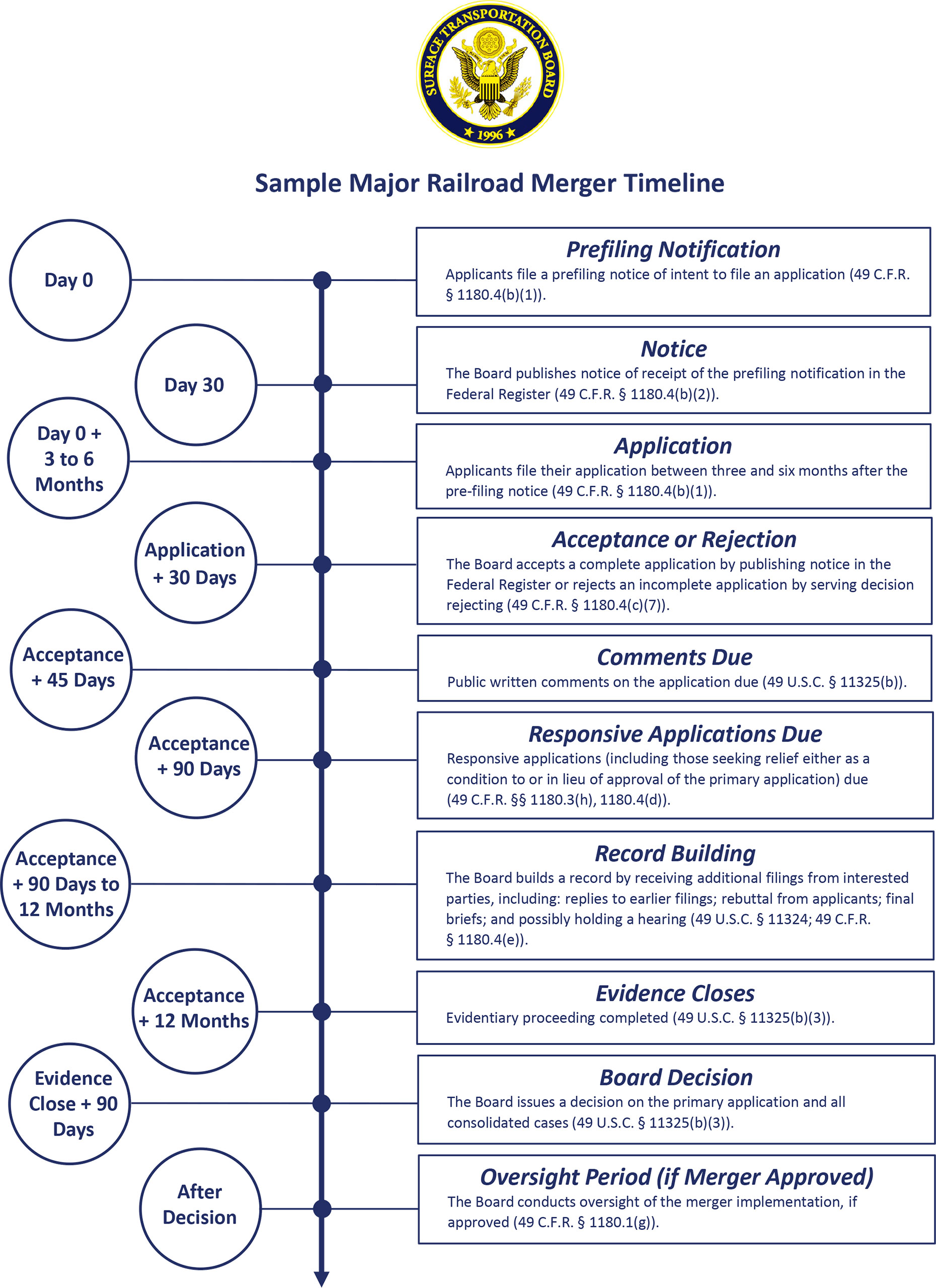
The Surface Transportation Board accepted the revised merger application on May 28, 2026, but put the broader proceeding in abeyance and required more information from the companies. Union Pacific and Norfolk Southern submitted further material in July, including additional customer protections.
That is regulator-speak for: nice idea, now show your work.
The companies have since offered commitments they describe as stronger than protections in prior rail mergers. They have also struck a binding memorandum of understanding with Canadian National intended to create additional competitive access and improve connectivity.
Again: good. But it is not the same thing as proof.
There is a massive difference between a buyer voluntarily offering protections before approval and a customer having practical alternatives once the merger has closed. That is why the opposition matters. BNSF and Canadian Pacific Kansas City have opposed the transaction, while CSX has raised concerns about the competitive balance of the industry.
They are not objecting because they have suddenly become consumer advocates. They are objecting because a Union Pacific–Norfolk Southern combination would reshape the economics of North American rail freight.
That is precisely why the regulator should take them seriously anyway. Competitors often see where the commercial pressure points are before anyone else does.
The overlooked angle: this is really a test of management discipline
Most commentary on mega-deals gets trapped in the obvious questions: Is the price too high? Will regulators approve it? How many billions of synergies can management squeeze out?
The more useful question is nastier: what will management refuse to do after closing?
A deal this big creates an irresistible urge to “capture synergies” quickly. That phrase usually means layoffs, capex cuts, vendor pressure and a frantic hunt for anything that can be called duplicated cost.
Some of that will be sensible. Two giant railroads do not need two of everything.
But the dumb version of synergy hunting destroys the thing you paid for. You cut maintenance, stretch frontline staff, centralise decisions that need local judgement, and then act surprised when service quality drops. Customers leave where they can. Pricing power gets politically toxic. Regulators get involved. Management spends years repairing the damage it caused while congratulating itself for hitting a first-year cost target.
That is the trap.
If I were running this deal, I would treat service performance as the first synergy, not a soft afterthought. Before chasing a dollar of head-office savings, I would publish a small scorecard: transit times on key lanes, dwell time in major yards, on-time delivery, equipment availability and customer claims. Then I would report it every quarter against a pre-merger baseline.
Why? Because you cannot hide from numbers that matter. And because a combined railroad that improves those metrics has earned the right to cut overhead later.
A combined railroad that worsens them has simply built a larger bureaucracy on top of a slower machine.
Scale can be an advantage — but only if accountability gets sharper
There is a fashionable belief that bigger companies are automatically worse for customers. That is lazy thinking. Bigger can be better when it removes friction that customers currently pay for.
A single network across the country could reduce handoffs. It could give shippers better visibility. It could make rail more competitive against trucking on long-haul routes. The economic logic is real.
But scale also creates a dangerous gap between the executive suite and the bloke trying to get a delayed freight car moved at 2am.
The winning version of this merger is not “one enormous railroad.” It is one railroad where every customer has a clearer answer to a simple question: who owns this problem?
If the answer becomes “someone in another division,” the deal will fail regardless of the spreadsheet benefits.
This is also why Vena’s personal credibility matters. A big acquisition is never delegated. The CEO owns the operating standard, the pace of integration and the decision about whether short-term savings are allowed to damage long-term trust.
He does not get to own the upside and outsource the mess.
What this means for you
Whether you are a founder, investor or operator, there is a useful lesson here that has nothing to do with railroads: do not buy scale unless you know exactly which customer friction it removes.
Use this tomorrow.
First, when you assess an acquisition, write down the three customer problems that get better immediately after closing. Not eventually. Immediately. If you cannot name them in plain English, you are probably buying revenue, ego or a prettier slide deck.
Second, separate cost synergies from customer value. Cost cuts can improve a model. Customer value improves a business. The order matters. Protect service first, then remove waste.
Third, demand a pre-deal operating baseline. If you buy a business without clean numbers on delivery times, churn, support load, staff turnover, product reliability or cash conversion, you have bought a box with a ribbon on it. You have not bought control.
Finally, remember that the most dangerous sentence in any deal room is: “We’ll figure out integration after it closes.”
No, you will not. You will be busy, tired, overconfident and surrounded by people protecting their turf.
Union Pacific is making a monster bet that one coast-to-coast railroad can serve America better than two separate ones. It might be right. But the $71.5 billion is the easy part.
The hard part is proving that bigger means better before customers, regulators and shareholders decide it just meant bigger.