USMCA’s $4.6B Tequila Test: What 2026 Means for Agave Brands
A $4.6 billion tequila trade is exposed to 25% tariff turmoil. Agave brands without a pricing and paperwork plan will pay for it.
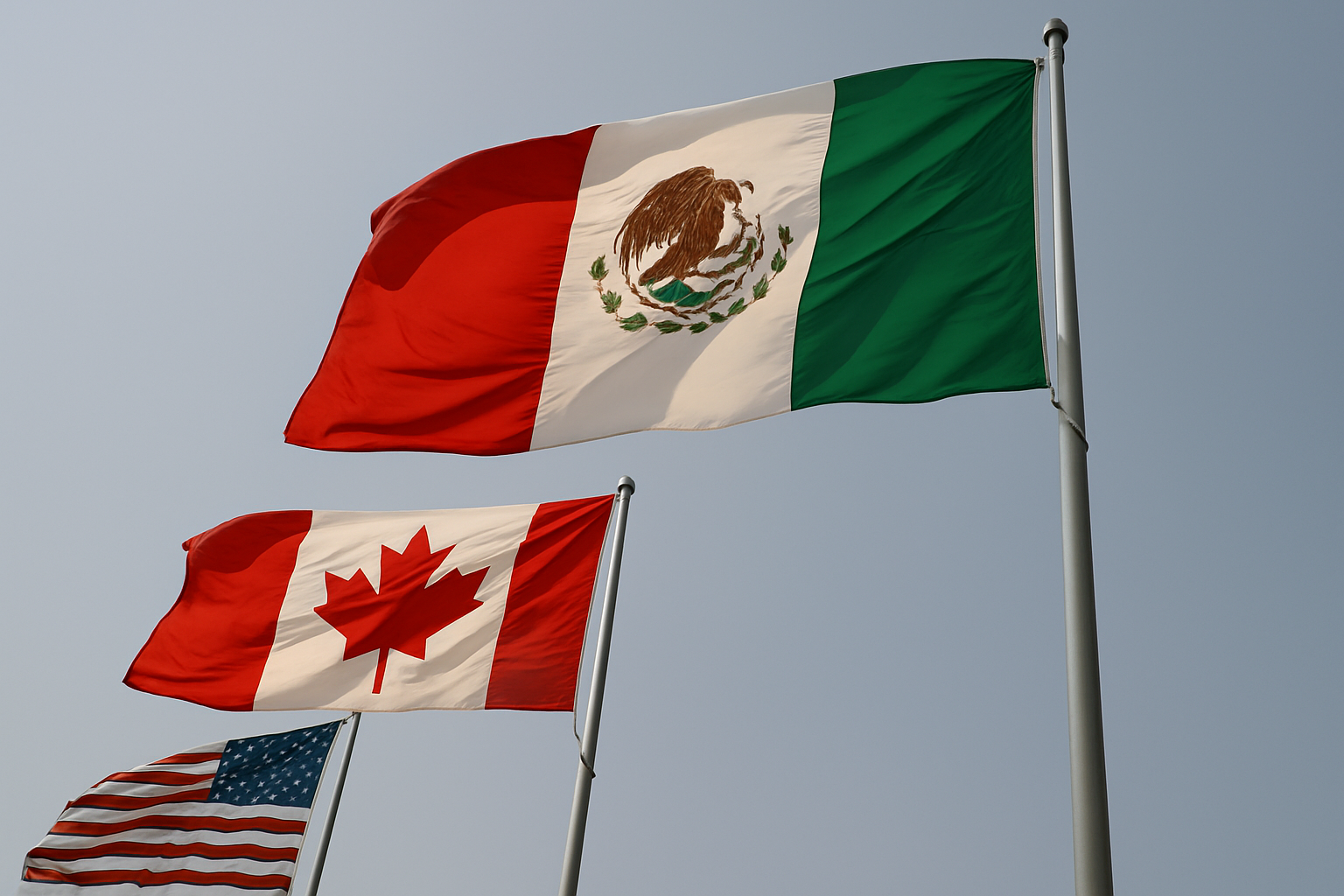
Tequila brands have spent years pretending trade policy is someone else’s boring problem. That’s cute right up until a container lands with a tariff attached and your margin disappears before lunch.
The United States imported $4.6 billion of tequila from Mexico in 2023, according to the Distilled Spirits Council figures cited by AP. Now the United States, Mexico and Canada have started the process of renewing the USMCA trade pact, with negotiations expected to run for months. If you are an agave producer, importer, distributor, bar operator or investor, this is not background noise. It is a live risk sitting underneath one of the biggest drinks categories on earth.
Tequila is not a generic product that can be knocked out somewhere cheaper if the numbers get ugly. It must be made from blue agave in authorised Mexican regions under its denomination-of-origin rules. You cannot solve a trade disruption by moving production to Texas and calling it tequila. That is precisely why the category deserves more adult planning than it usually gets.
The $4.6 billion number is bigger than the industry’s attention span
The headline number matters because it tells you how much commercial machinery is exposed: growers, distilleries, bottlers, freight operators, importers, distributors, retailers, restaurants and thousands of brands living somewhere between “promising” and “one bad quarter from trouble.”
AP reported that the US imported $4.6 billion worth of tequila and another $108 million of mezcal from Mexico in 2023. That was before the current round of trade drama turned supply-chain paperwork into a profit centre.
The immediate issue is not that every bottle is suddenly hit with a new levy today. The issue is that the USMCA is being reopened in a political environment where tariffs are being used as negotiation tools, exemptions matter enormously, and policy can move faster than an annual brand plan.
That sounds obvious. Yet plenty of spirits businesses are still run as if a signed supply agreement and a nice PowerPoint slide equal certainty. They do not.
A recent AP report on the USMCA renewal quoted Shawn Miller of agave-spirit importer PKGD Group saying three truckloads of Mexican spirits had crossed into the US and been hit with a 25% tariff amid the turmoil. Whether you are running a giant portfolio or a family-owned importing business, the lesson is the same: your product may be protected in theory, but your operations can still be punished in practice if origin documentation, customs classification and timing are not nailed down.
That is the bit people miss. Tariff risk is not just a tax-rate problem. It is an execution problem.
Tequila has a structural advantage — and a structural weakness
Here is the good news for tequila: it is culturally powerful, globally recognisable and legally tied to Mexico. The Tequila Regulatory Council says tequila must be made using blue agave in the authorised regions covered by its appellation of origin. That scarcity is not merely romantic marketing fluff. It creates a real moat.
You cannot build authentic tequila capacity in a random industrial estate because the spreadsheet says labour is cheaper. The provenance is part of the product.
But moats cut both ways.
A software company facing a tariff issue can reroute a server workload. A sneaker brand can shift production. A tequila brand cannot casually switch countries, ingredients or supply chains without ceasing to be a tequila brand. The thing that makes tequila valuable also makes it exposed when trade rules get messy.
That is why I would be wary of anyone saying, “Mexico will be fine because consumers love tequila.” Consumers may love tequila. Consumers also notice when their favourite bottle jumps from $45 to $55, especially after several years of inflation and premiumisation fatigue.
The category has already had to confront a less glamorous reality: more consumers are questioning whether premium tequila is actually worth the premium. When a brand is leaning on a high shelf price, a tariff or logistics shock is not always something it can simply pass through. Sometimes the retailer pushes back. Sometimes the distributor squeezes you. Sometimes the consumer trades down. Often, all three happen at once.
The second-order problem is not the tariff. It is the scramble.
The worst businesses respond to uncertainty by panicking late.
They over-order inventory, clog their cash flow and hope the policy changes. Or they under-order, lose shelf space and discover that their distributor was not as loyal as the sales rep said over dinner. Neither is strategy. Both are gambling with prettier language.
The smarter operators are mapping scenarios now.
If a shipment carries an added 10%, 15% or 25% landed-cost burden, where does that land? On the brand’s gross margin? On the importer? On the retailer? On the consumer? The answer will not be the same for every SKU.
Your $30 blanco has different elasticity from your $180 extra añejo. A restaurant pouring a premium tequila in a $22 cocktail has different room to manoeuvre than an independent retailer selling a bottle beside five credible alternatives. A celebrity-backed brand with huge awareness may absorb a little more pain than a small producer whose advantage is simply that the liquid is excellent.
This is where founders get caught telling themselves stories. They say the brand is premium, so the customer will pay. Maybe. But “premium” is not an immunity passport. Real premium means the customer understands the difference, trusts the product and feels the price is justified before the bartender or shop assistant has time to sell it.
Building Agave Finder has made this painfully clear to me: agave drinkers are becoming better informed, not less. They compare brands, production claims, prices and availability. That is good for the category. It is bad news for lazy brands relying on a fancy bottle and a vague founder story.
The contrarian view: trade stress could make tequila better
This sounds backward, but a tougher trade environment may be good for the serious end of tequila.
For years, the category attracted easy money. If you had a celebrity, a designer bottle and enough cash for a launch party, you could convince yourself you had a tequila business. Some did. Most had an expensive marketing project with a barcode.
When cost pressure rises, weak propositions are exposed. The brand with no pricing discipline, no supply-chain visibility and no genuine consumer loyalty gets hurt first. Good. Markets need culling now and then.
The enduring brands will be the ones that can explain their value in plain English: where the agave comes from, how the tequila is made, why the liquid is different, what the bottle should cost and why the business can deliver it consistently.
There is another overlooked upside. Trade uncertainty forces better relationships between Mexican producers and the US-side commercial machine. For too long, some importers and brand owners have treated distilleries as interchangeable suppliers. They are not. In a category constrained by origin, agriculture, production capacity and regulation, the producer relationship is not procurement. It is strategy.
If you own a brand, visit the distillery. Understand the production agreement. Know who owns the inventory at each stage. Know which entity is responsible for customs paperwork. Know your alternative freight options. If you cannot answer those questions, you do not own a supply chain. You own a hope.
The big players are not the only ones with leverage
It is tempting to assume Diageo, Bacardi, Brown-Forman and the other giants will simply muscle through whatever comes next. They do have scale, distributor leverage and balance sheets. But scale also means complexity, larger inventories and more pressure to defend revenue targets.
Smaller brands have one advantage: they can move quickly if they are honest about their numbers.
A nimble operator can simplify the portfolio, focus on the best two SKUs, tighten state-level distribution, negotiate directly with key accounts and protect cash. A bloated brand with eight line extensions, scattered inventory and a sales team chasing volume at any price will have a much uglier time.
This is not a call to shrink because you are scared. It is a call to know which part of your business actually produces cash.
The USMCA review also creates a reminder for investors: a great category does not automatically make every company in it investable. Tequila can remain a long-term winner while plenty of tequila brands deliver rotten returns. Category growth is not a substitute for unit economics, working-capital discipline or a defensible route to market.
What this means for you
If you run an agave or spirits business, do these five things this week.
First, calculate your true landed-cost exposure. Not a rough estimate. Build a SKU-by-SKU model showing the impact of 10%, 15% and 25% cost increases, including freight, insurance, duties, distributor margins and retailer mark-ups.
Second, audit your USMCA and origin paperwork. Get a customs broker or trade lawyer to check it before a shipment is held up, not after. Compliance is boring until it is the only thing separating you from a nasty bill.
Third, rank your products by pricing power. Which bottles can carry a price rise? Which need a smaller format, a promotional plan or a quiet exit? Do not spread pain evenly because it feels fair. Make commercial decisions.
Fourth, protect cash before chasing growth. Do not fill a warehouse with speculative inventory just because you are nervous. Inventory is not an asset when it is financed badly and moving slowly.
Fifth, get closer to the customer. Your distributor is useful, but it is not your customer relationship. Watch what people buy, what they ask about, where they trade down and which brands they compare you with. The brands that understand demand in real time will outmanoeuvre the ones waiting for quarterly reports.
The $4.6 billion tequila trade is not going away. But the days of treating it as an effortless growth story should be over. The next winners will not be the loudest tequila brands. They will be the ones that know their numbers, respect the supply chain and have a product good enough to survive when the easy money leaves the room.