Virgin CEO Josh Bayliss’s 2.5-Hour Hiring Test
Most senior interviews are an expensive lie. Richard Branson spent 2.5 hours trapped in traffic with Josh Bayliss—and learned more than any beige competency matrix could reveal.
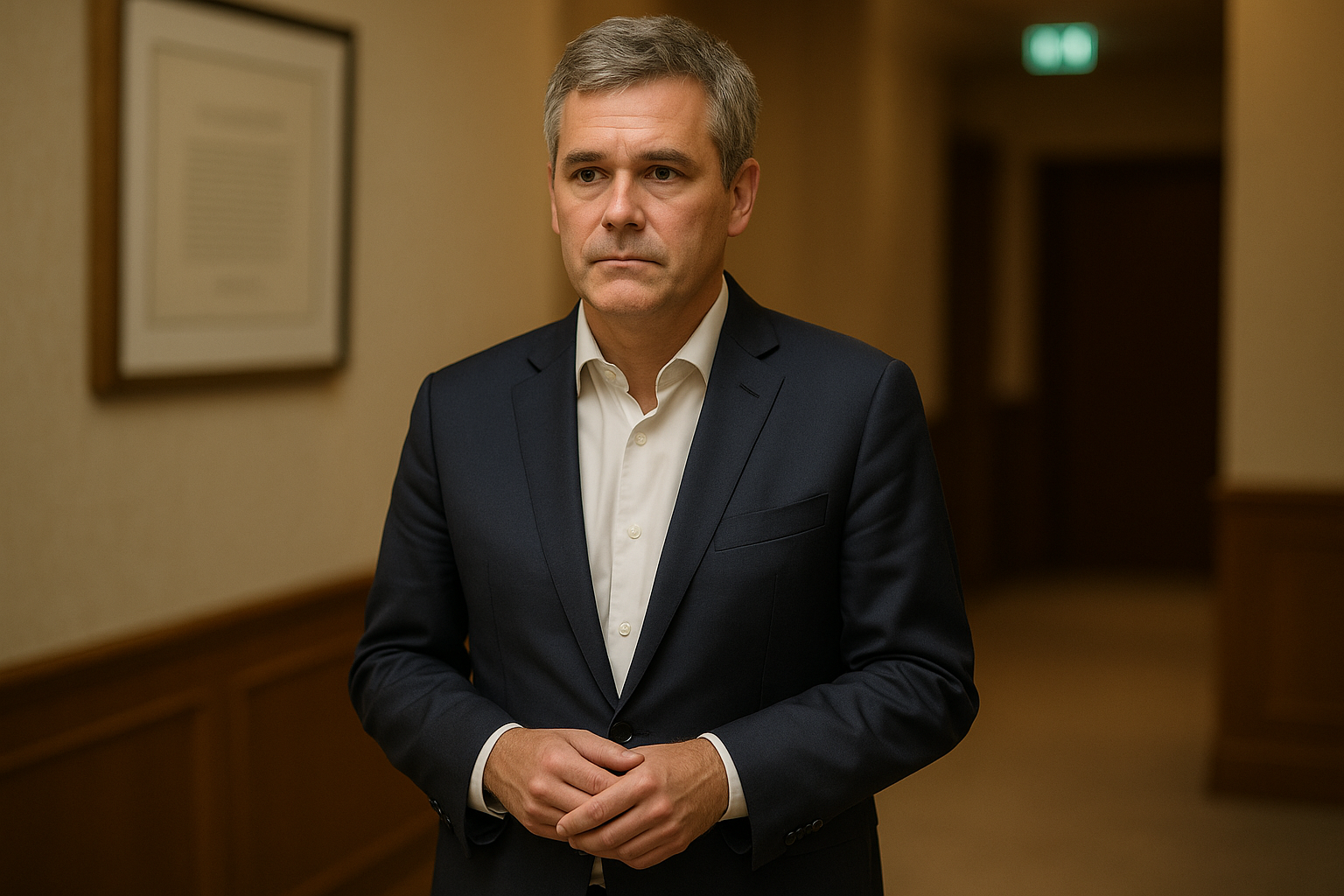
Most senior interviews are an expensive lie. Richard Branson spent 2.5 hours trapped in traffic with Josh Bayliss—and that told him more than another beige competency matrix.
That accidental ride did not magically make Bayliss the right bloke to run Virgin Group. But it exposed something most founders, boards and hiring managers still refuse to admit: the standard interview is often a very expensive theatre production where everyone lies politely.
Richard Branson’s 2.5-hour mistake became a better test
In 2005, Josh Bayliss arrived at Richard Branson’s London home for an interview to become Virgin Group’s general counsel. Branson had double-booked himself, was running late for another appointment across town, and brought the 31-year-old lawyer along for the drive. What should have been roughly 45 minutes became a 2.5-hour traffic jam. ([fortune.com](https://fortune.com/2026/08/29/virgin-group-ceo-josh-bayliss-double-booked-first-job-interview-by-billionaire-richard-branson-career-lessons-success/))
Bayliss got the job. Six years later, in 2011, he became Virgin Group’s CEO. He has led the group’s strategic development since then, and in June 2026 added the chairmanship of Virgin Atlantic after Peter Norris stepped down following 14 years in that role. ([fortune.com](https://fortune.com/2026/08/29/virgin-group-ceo-josh-bayliss-double-booked-first-job-interview-by-billionaire-richard-branson-career-lessons-success/))
There is a temptation to turn this into another fairy tale about the genius of Richard Branson. Don’t. “Founder gets stuck in traffic, spots future CEO” is cute copy, but it is rubbish management if you copy the superficial bit.
The lesson is not: make candidates sit in your car while you are late.
The lesson is: put important people in situations where the script breaks.
A conventional interview asks whether someone can prepare. Of course they can. Senior candidates have been preparing for interviews since they learned how to say “stakeholder alignment” with a straight face. They know the success stories. They know when to nod. They have a cracking answer ready for their biggest weakness, which is apparently always “caring too much.”
A delayed car trip is different. Nobody can hold the corporate mask perfectly for 150 minutes while plans unravel, traffic does not move, and the person across from them keeps asking questions. You see curiosity, patience, humour, commercial instinct, energy, manners and whether they can think without a slide deck doing the thinking for them.
That is information. The usual interview gives you performance.
Bayliss did not win because he was a lawyer
Bayliss’s path matters because it cuts against the lazy idea that leaders must climb one neat operational ladder. He studied history and Spanish literature, trained in law, worked as a judge’s clerk and in legal practice, then joined Virgin in 2005. His own explanation for leaving law is telling: he wanted to move from advising decision-makers to making decisions and being accountable for improving commercial outcomes. ([fortune.com](https://fortune.com/2026/08/29/virgin-group-ceo-josh-bayliss-double-booked-first-job-interview-by-billionaire-richard-branson-career-lessons-success/))
That is the real distinction between a functional expert and an operator.
A functional expert tells you what could go wrong. An operator must decide what to do anyway, then wear the consequences. Both are valuable. But if you confuse one for the other, you can end up with a management team full of intelligent people who can diagnose every problem except the one caused by their inability to make a call.
Virgin is not a simple business where one person can hide behind a single product line. Bayliss’s role has included strategy, global brand licensing and direct investments across areas including aviation, travel, health and wellness, media, financial services, technology, space and renewable energy. ([Business Leader](https://shows.acast.com/business-leader-podcast/episodes/josh-bayliss))
That breadth is why the Bayliss appointment is more interesting than the traffic story. He did not become useful by pretending to be the best technical expert in every Virgin business. He became useful by learning to assess people, incentives, brands, capital allocation and risk across different businesses.
Founders need to hear this: the next leader of your company may not look like a smaller version of you. If you only hire people whose career resembles yours, you are not building a leadership bench. You are breeding organisational inbreeding with nicer LinkedIn posts.
The overlooked angle: unstructured does not mean random
Here is where plenty of leaders stuff it up. They hear that Branson interviewed Bayliss in a traffic jam and decide gut feel is king.
No, mate. Gut feel alone is how you hire the person you enjoy having a beer with, then spend 18 months explaining to the board why the numbers are tragic.
The right approach is structured evidence plus unstructured exposure.
You need the structured part because hiring is a capital-allocation decision. Check the record. Test the candidate’s actual operating claims. Speak to former peers, direct reports and customers. Ask for numbers, not adjectives. If someone says they “transformed culture,” ask what changed: staff turnover, gross margin, product velocity, customer retention, quality failures, cash conversion or promotions from within.
Then add the unstructured part because numbers do not show you how someone behaves when the room gets uncomfortable.
Take the finalist into a real operating review. Have them meet the people doing the actual work, not just the executive team trained to be charming. Give them an ambiguous case with incomplete data. Ask them to explain a failure they personally caused. Change the plan at the last minute and watch what happens.
You are not trying to make candidates miserable. You are trying to stop yourself hiring a professional interviewee.
Bayliss told Fortune that Branson’s appetite to learn about what he did not already know remained central to his appeal. That trait is more valuable than most boards recognise. In a world where markets, technology and customer expectations move quickly, certainty is often just ignorance wearing an expensive suit. ([fortune.com](https://fortune.com/2026/08/29/virgin-group-ceo-josh-bayliss-double-booked-first-job-interview-by-billionaire-richard-branson-career-lessons-success/))
Why founders especially get this wrong
I have watched founders hire senior people based on one of two terrible tests.
First: “They worked at a massive company, so they must be brilliant.”
Second: “They think exactly like me, so they get it.”
Both are shortcuts. Both can cost a fortune.
Big-company experience can be useful, but it can also hide a passenger. A person may have managed a giant budget without ever owning a real commercial result. Equally, a candidate who agrees with the founder on everything may simply be clever enough to know which noises get them hired.
The test is whether the person can improve your decision-making without turning every conversation into a bloody seminar.
Bayliss had legal training, but the career trajectory suggests something bigger: he became trusted with more scope over time. That is how serious leadership appointments should work. You do not hand someone the keys because they interview well. You give them increasingly consequential work, watch what they do with it, and assess whether their judgment improves as the stakes rise.
Virgin Atlantic’s 2025 annual report listed Bayliss as a Virgin-nominated director alongside Branson and other board members, while its post-year-end disclosures recorded new executive-director appointments from January 2026. That is what succession and governance look like in the real world: a system of overlapping exposure, board visibility and changing responsibilities—not one heroic appointment announcement. ([corporate.virginatlantic.com](https://corporate.virginatlantic.com/content/dam/corporate/annual-reports/Virgin-Atlantic-Annual-Report-2025.pdf))
The contrarian view: stop worshipping “culture fit”
“Culture fit” is one of the most abused phrases in business.
Usually, it means: “Would I be comfortable sitting next to this person at dinner?” That is not leadership assessment. That is social sorting.
The better question is culture contribution. What useful tension will this person bring? Where will they challenge stale assumptions? Can they disagree without becoming a pain in the arse? Can they make the standard better without making the team smaller?
Bayliss’s early experience clerking for judges exposed him to people disagreeing profoundly over consequential issues without falling out personally. That is a proper executive skill. You do not need harmony in a leadership team. You need productive conflict, fast decisions and mutual respect once the decision is made. ([fortune.com](https://fortune.com/2026/08/29/virgin-group-ceo-josh-bayliss-double-booked-first-job-interview-by-billionaire-richard-branson-career-lessons-success/))
The best senior hires make the room more honest. They do not make it quieter.
What this means for you
If you are hiring a senior operator this quarter, change the process tomorrow.
1. Ban vague claims. For every leadership boast, ask for one number, one decision and one person who can verify it.
2. Create one real-world test. Put finalists into an operating meeting, customer call or messy problem-solving session. Not a fake case study with perfect data—a real decision with trade-offs.
3. Spend time when nothing is happening. A long walk, a delayed lunch or an airport wait can reveal more than another polished boardroom hour. Do not confuse this with relying on charm; use it as additional evidence.
4. Test curiosity under pressure. Ask candidates what they have changed their mind about recently. If the answer is nothing, do not hire a leader. You are hiring a monument.
5. Promote through proof, not promise. Give potential successors bigger mandates before the top job is vacant. The cleanest succession is rarely a surprise.
Branson’s late appointment was careless. The accidental interview was not a hiring system. But the 2.5-hour traffic jam exposed a truth worth keeping: the person you hire to run a serious business must be able to think, listen and remain useful after the meeting room, the script and the Wi-Fi all disappear.
That is when leadership starts.